


 Zobraziť v interiéri
 Odoslať
 Zdieľať
 Podrobnosti
 Príručka

 Stiahnuť
 Podobné položky
 RTG skúška
 Prehliadanie diapo\]
 Štatistiky
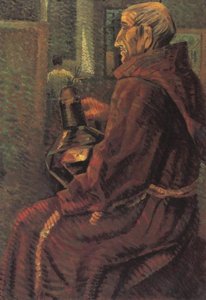
Monks
 Expressionism
 21.0 x 29.0 cm
 Prečítať si viac
Umelecké dielo zobrazené na tejto stránke je chránené autorským zákonom, čo znamená, že nemôžeme legálne vytvárať ani predávať jeho identickú reprodukciu. Táto ochrana je vymáhaná na základe medzinárodných dohôd, ako napríklad Bernská konvencia a národnými zákonmi, vrátane tých, ktoré sú stanovené v Autorské právo USA – Title 17. Všetky práva vyhradené.
Táto metóda plne dodržiava autorské práva, pretože nezahŕňa kopírovanie ani duplikovanie chráneného diela. Ide skôr o kreatívnu reinterpretáciu – nový obraz, ktorý je ovplybnený originálom, no nie je s ním identický.
Giclée / Umenotlač
Giclée tlač alebo plátno múzeálnej kvality s rýchlou výrobou a rôznymi možnosťami povrchovej úpravy. ( Objednať ručne maľovanú reprodukciu Prepnúť na digitálnu verziu obrazu)




































Vyberte si z našich preddefinovaných rozmerov, ktoré zodpovedajú pôvodným pomeroḿ diela.

Zadajte šírku a výšku, ktoré potrebujete, aby sa reprodukcia hodila k vášmu rámu alebo stene. Print možno len orezávať, nikdy však nemennú veľkosť zvětšiť oproti pôvodnému obrázku, preto pri inom formáte stráca časť obrazu. Pred samotným vytlačiacím procesom vám pošleme digitálny náhľad na schválenie. Obrázok zobrazený na tejto stránke nezobrazuje reálny rez — len digitálny náhľad ukazuje presný výsledok.
Celosvetová doprava () do 2 týždňov namiesto štandardných 4 až 5 týždňov. (25 október)

Bezplatná expresná doprava po celom svete

Vysokokvalitné lnianske plátno

Úplné poistenie prepravy

Záruka vrátenia colného poplatku

Záruka presného farebného zhodnutia

100-dená politika vrátenia tovaru (iba pri vadách)

100% záruka vrátenia peňazí

Ponuka množstevnej zľavy
 Možnosť skla je dostupná len pri rozmeroch pod 110 cm

Monks
Giclée / Umenotlač
Veľkosť reprodukcie
-


Celková cena
€ 56
Súvisiace diela




Biografia umelca
Henri Masson: A Painter of Quebec’s Soul
Born in Spy, Belgium, in 1907, Henri Masson's artistic journey began early, fueled by a childhood fascination with drawing and painting. His family’s relocation to Canada in 1921, settling in Ottawa, marked the beginning of his Canadian career, initially finding work as a master engraver – a profession he diligently pursued until 1945. It was during this period that a pivotal encounter occurred: a visit to the National Gallery of Canada ignited a profound appreciation for the Group of Seven and their distinctive approach to landscape painting. This experience irrevocably shifted Masson’s trajectory, leading him to embrace painting as his primary artistic focus.
Masson's early training was largely self-directed, supplemented by studies at the Ottawa Art Association with George Rowles and Franklin Brownell. He quickly distinguished himself within the local art scene, joining Les Confrères artistes Le Caveau in 1933 – a collective that provided crucial support, exhibition opportunities, and a vibrant artistic community. This association fostered his development as both an artist and a teacher, shaping his approach to art education and solidifying his commitment to sharing his knowledge.
The Language of Quebec: Subject Matter and Style
Masson’s artistic vision centered on capturing the essence of Quebec – its landscapes, its people, and its everyday life. He wasn't interested in grand, idealized vistas; instead, he sought out the authentic beauty found in rural communities, working-class neighborhoods, and quiet moments of domesticity. His subjects ranged from bustling street scenes to serene depictions of nature, often imbued with a sense of nostalgia and warmth. He frequently employed a loose, vigorous brushstroke, utilizing a broad palette of colors – particularly vibrant blues, greens, and yellows – to create dynamic compositions that conveyed both immediacy and emotional resonance.
His technique was characterized by a deliberate layering of paint, often beginning with an ink outline to establish the composition before adding washes of watercolor. This approach allowed him to capture subtle shifts in light and atmosphere while maintaining a sense of spontaneity and energy. Masson’s work is not simply representational; it's infused with a deeply personal perspective, reflecting his love for Quebec and its people.
A Journey Beyond Borders: Exhibitions and Recognition
Throughout the 1940s and beyond, Masson’s paintings garnered increasing recognition both in Canada and internationally. He participated in numerous solo and group exhibitions, including a significant showing at the 1939 World's Fair in New York, an International Watercolor Exhibition in Brooklyn, and a Canadian Art exhibition in Rio de Janeiro. His work was also featured at UNESCO headquarters in Paris, the National Gallery of Art in Washington D.C., and the Colombo International Exhibition of Modern Art in New Delhi.
His paintings have been collected by prestigious institutions worldwide, including the National Gallery of Canada, the Art Gallery of Ontario, the Musée national des beaux-arts du Québec, and the Remai Modern in Saskatoon. In 1972, a reproduction of his painting *Skaters in Hull* was featured on a Canadian postage stamp – a testament to his enduring popularity and artistic significance.
Legacy and Enduring Influence
Henri Masson’s impact extends beyond the canvases he created. In 1979, Rue Henri-Masson was named in his honor in Roussillon, Quebec, recognizing his contribution to the community and the province's artistic heritage. Furthermore, the City of Ottawa commemorated his life and work by establishing the Karsh-Masson Gallery at City Hall – a dedicated space for showcasing his paintings alongside those of renowned photographer Yousuf Karsh.
Masson’s legacy lies not only in his distinctive style but also in his dedication to documenting the everyday realities of Quebec. His paintings offer a poignant glimpse into a bygone era, capturing the spirit and character of a region that continues to resonate with artists and viewers alike. He remains an important figure in Canadian art history, celebrated for his ability to transform ordinary scenes into works of enduring beauty and emotional depth.

Henri Masson
1907 - 1996
Rýchle fakty
- Full Name: Henri Léopold Masson
- Nationality: Canadian
- Date Of Birth: 1907
- Date Of Death: 1996
- Place Of Birth: Spy, Belgium
- Notable Artworks:
- San Marco (1979)
- Street in Ottawa (1938)
- Artistic Movement Or Style: Regionalism, Landscape
- Artists Who Influenced This Artist: ['Group of Seven']
- Artists Or Movements Influenced By This Artist: ['Les Confrères artistes Le Caveau']
Súvisiace články
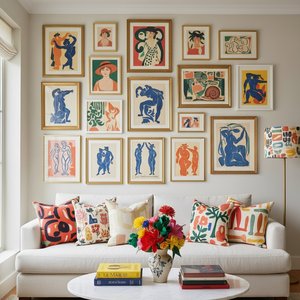
Henri Matisse: Top 25 diel pre milovníkov umenia a luxusného interiéru
Ponorte sa do sveta Henriho Matissea s našou exkluzívnou kolekciou 25 ikonických diel. Objavte príbehy za fauvizmom, farebnými kompozíciami a moderným umením. Reprodukcie obrazov pre luxusný interiér na AllPaintingsStore.com – preskúmajte celý katalóg online!

Oil on Canvas: A Historical & Technical Exploration of a Timeless Artistic Medium
Explore the rich history & enduring techniques of oil painting on canvas. Discover the science behind its longevity, conservation practices, and contemporary relevance. Expert insights for art enthusiasts.

Trvalé dedičstvo olejomaľby: Technika, história a súčasná prax
Objavte trvalé dedičstvo olejomaľby! Prehľad techník, histórie a súčasnej praxe. Naučte sa o majstrovských postupoch a kvalitných reprodukciách diel od renesancie po súčasnosť.

The Enduring Legacy of Oil on Canvas: Technique, History & Aesthetic Impact
Explore the rich history & techniques of oil painting – from Renaissance masters to Impressionism. Discover pigments, layering methods, and why this timeless medium endures. Expert insights for artists & art enthusiasts.

The Enduring Power of Painting: A Historical & Contemporary Exploration of Form and Emotion
Explore the rich history & enduring techniques of oil painting with AllPaintingsStore. Discover masterpieces, learn about art collecting, and find authentic handmade reproductions crafted by skilled artists.

