


 Náhľad
 Odoslať
 Zdieľať
 Podrobnosti o dielo

 Stiahnuť
 Podobné diela
 RTG skúška
 Prezentácia
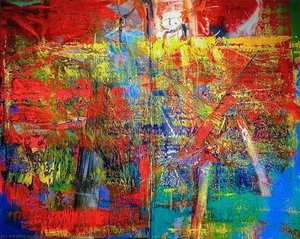
Strathclyde (diptych, right panel)
 1990
1990 330.0 x 716.0 cm
 Zobraziť viac
Giclée / Umenotlač
Giclée tlač alebo plátno múzeálnej kvality s rýchlou výrobou a flexibilnými možnosťami povrchovej úpravy. ( Kúpiť ručne maľovaný obraz Kúpiť obrázok)




































Vyberte si z našich preddefinovaných rozmerov, ktoré zodpovedajú pôvodným pomeroḿ diela.

Môžete zadať vlastné rozmery, aby sa reprodukcia prispôsobila konkrétnemu rámu alebo priestoru. Ak zvolená veľkosť nebude zodpovedať proporciám originálu, dielo buď orežeme, alebo obraz rozšírime pomocou zrkadlenia či farebného doplnenia okrajov. Pred začatím výroby vám pošleme digitálnu ukážku na schválenie.
Máte na vedomí, že náhľad na obrazovke neodzrkadľuje skutočné orezanie alebo rozšírenie. Len digitálna ukážka presne zobrazí finálnu kompozíciu.
Hoci sú k dispozícii vlastné rozmery, pre zachovanie pôvodných proporcií odporúčame vybrať si rozmer z vopred definovaného zoznamu.
Celosvetová doprava () do 2 týždňov namiesto štandardných 4/5 týždňov. (20 august)

Bezplatná expresná doprava po celom svete

Prémiové lnianske plátno

Kompletné poistenie prepravy

Záruka vrátenia colného poplatku

Záruka presného farebného zhodnutia

60-dňá politika vrátenia (iba pri defektoch)

100% záruka vrátenia peňazí

Výhodná množstevná zľava
 Možnosť skla je dostupná len pri rozmeroch pod 110 cm

Strathclyde (diptych, right panel)
Giclée / Umenotlač
Veľkosť reprodukcie
-


Celková cena za vybrané možnosti
$ 64
Podobné diela





Biografia umelca
Ian McCulloch: A Voice of Liverpool’s Underground
Ian Stephen McCulloch, born in 1959 and still actively creating music today, is a figure inextricably linked to the vibrant, rebellious spirit of late 1970s and early 1980s Liverpool. More than just a singer-songwriter, he's a sonic architect who helped define an era of alternative rock, crafting melodies that simultaneously shimmered with beauty and pulsed with unsettling intensity. His journey began not in the spotlight, but within the smoky confines of Eric’s, a legendary club in the city’s Cavern Quarter – a breeding ground for burgeoning bands and a crucial incubator for musical innovation. McCulloch's early work with Crucial Three, Julian Cope, and Pete Wylie laid the groundwork for his future success, showcasing a raw talent and an inclination towards challenging conventions. These formative experiences instilled within him a deep connection to Liverpool’s music scene and a willingness to push boundaries, qualities that would become hallmarks of Echo & The Bunnymen.The Rise of Echo & The Bunnymen
McCulloch's career truly ignited with the formation of Echo & The Bunnymen in 1979, alongside Will Sergeant on guitar, Les Pattinson on bass, and the innovative use of a drum machine – affectionately nicknamed “Echo.” This lineup proved remarkably stable, allowing the band to hone their distinctive sound: a potent blend of post-punk energy, art rock experimentation, and a touch of gothic romance. Their debut album, *Crocodiles* (1980), was an immediate critical success, establishing them as one of Britain’s most exciting new bands. The subsequent release, *Heaven Up Here* (1981), further solidified their reputation with its heavier, more driving sound and showcased McCulloch's increasingly sophisticated songwriting. Tracks like “The Cutter” achieved significant chart success, demonstrating the band’s ability to bridge the gap between underground art-rock and mainstream appeal. Throughout the late 70s and early 80s, Echo & The Bunnymen became synonymous with a generation grappling with identity, alienation, and the anxieties of a rapidly changing world – themes powerfully conveyed through McCulloch's evocative lyrics and the band’s atmospheric soundscapes.Beyond the Band: Solo Work and Artistic Exploration
In 1988, McCulloch made a bold decision to pursue a solo career, believing that Echo & The Bunnymen had reached its natural conclusion. This move, however, proved short-lived as the remaining band members continued to utilize the name, leading to a protracted legal battle and ultimately, a permanent split. Despite this setback, McCulloch remained a prolific artist, releasing two albums – *Shame-Based Man* (1995) and *Drunk Baby Project* (2002) – that demonstrated his continued evolution as a songwriter and musician. Beyond music, McCulloch has also explored visual art, creating evocative paintings that often draw inspiration from the landscapes of his native Liverpool and the themes prevalent in his music. His artwork frequently utilizes a muted palette and explores notions of memory, loss, and the passage of time – mirroring the melancholic beauty found within many of his songs.A Lasting Legacy
Ian McCulloch’s influence extends far beyond the confines of Echo & The Bunnymen. He is recognized as a key figure in the development of alternative rock, inspiring countless musicians with his distinctive vocal style, lyrical depth, and willingness to experiment. His songs – particularly “Ocean Rain” and “The Killing Moon” – have become enduring classics, celebrated for their haunting melodies, poetic lyrics, and atmospheric arrangements. McCulloch’s work continues to resonate with audiences today, a testament to the timeless quality of his music and his lasting contribution to British rock history. He remains an active artist, constantly evolving and pushing creative boundaries, ensuring that his voice – both musical and artistic – will continue to be heard for generations to come. His art, often reflecting the themes within his music, provides a deeper layer to understanding his creative spirit.Further Resources

Základné informácie
- Artistic Movement Or Style: Alternative Rock
- Artists Or Movements Influenced By This Artist: ['Echo & the Bunnymen']
- Artists Who Influenced This Artist:
- Wah!
- Julian Cope
- Date Of Birth: May 5, 1959
- Full Name: Ian Stephen McCulloch
- Nationality: English
- Notable Artworks:
- Ocean Rain
- The Killing Moon
- Place Of Birth: Liverpool, England


