


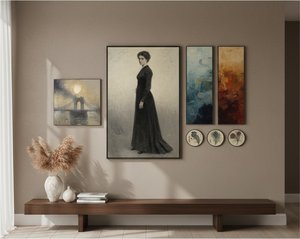
 Náhľad v interiéri
 Odoslať ako digitálnu kartu
 Zdieľať
 Podrobnosti o dielo
 Príručka

 Stiahnuť obraz
 Podobné položky
 RTG skúška
 Prehliadanie diapozoje
 Otázky a odpovede
 Štatistiky
Gleaners

- 41.0 x 51.0 cm

 Zobraziť viac
Giclée / Umenotlač
Giclée tlač alebo plátno múzeálnej kvality s rýchlou výrobou a rôznymi možnosťami povrchovej úpravy. ( Kúpiť ručne maľovaný obraz Prepnúť na digitálny obraz)




































Vyberte si z našich preddefinovaných rozmerov, ktoré zodpovedajú pôvodným pomeroḿ diela.

Zadajte šírku a výšku, ktoré potrebujete, aby sa reprodukcia hodila k vášmu rámu alebo stene. Print možno len orezávať, nikdy však nemennú veľkosť zvětšiť oproti pôvodnému obrázku, preto pri inom formáte stráca časť obrazu. Pred samotným vytlačiacím procesom vám pošleme digitálny náhľad na schválenie. Obrázok zobrazený na tejto stránke nezobrazuje reálny rez — len digitálny náhľad ukazuje presný výsledok.
Celosvetová doprava () do 2 týždňov namiesto štandardných 4 až 5 týždňov. (8 november)

Bezplatná expresná doprava po celom svete

Vysokokvalitné lnianske plátno

Kompletné poistenie prepravy

Záruka vrátenia colného poplatku

Záruka presného farebného zhodnutia

100-dená politika vrátenia tovaru (iba pri vadách)

100% záruka vrátenia peňazí

Zľava pri väčšom množstve
 Možnosť skla je dostupná len pri rozmeroch pod 110 cm

Gleaners
Giclée / Umenotlač
Veľkosť reprodukcie
-


Celková cena
€ 58
Podobné diela


Biografia umelca
The Soul of the Soil: The Life and Legacy of Isaac Henzell
In the quiet, rhythmic pulse of the nineteenth century, few artists captured the dignity of the common laborer with as much profound tenderness as Isaac Henzell. Born in 1815 amidst the industrial echoes of Sheffield, Henzell carried within him a lineage of heritage and a vision of the natural world that would eventually transcend his British roots. Descended from the Huguenot family De Henzell, who had settled in Tyneside generations prior, his very identity was woven from threads of migration and resilience. While his early years were marked by the burgeoning landscapes of Northern England, his artistic spirit sought a deeper connection to the earth, leading him toward a mastery of genre painting that celebrated the unadorned beauty of rural existence.
Henzell’s journey was not merely one of geographical movement, but of stylistic evolution. Though he began his career with an eye for portraiture, he soon found his true calling in the atmospheric landscapes and the lived experiences of the working class. His work often reflected a deep-seated fascination with the textures of life—the rough grain of a harvested field, the salt-sprung nets of a fisherman, and the weary yet resolute faces of those who toil under the open sky. This dedication to plein air observation allowed him to capture the fleeting nuances of light and weather, imbuing his canvases with a palpable sense of atmosphere that felt less like a static image and more like a captured moment in time.
A Mastery of Light and Labor
The technical brilliance of Henzell lies in his ability to marry meticulous detail with an emotional resonance that speaks to the universal human condition. His approach was characterized by a sophisticated use of layering, where glazes and impasto strokes worked in harmony to create a sense of physical weight and materiality. When viewing one of his works, such as A Reaper or Cattle Fold, the viewer is not merely looking at a scene of agriculture; they are witnessing the interplay of sunlight on hay and the heavy, tactile reality of the landscape.
His subject matter frequently centered on the following themes:
- The Dignity of Toil: Depicting fishermen, gleaners, and farmers not as mere subjects, but as heroic figures within their own environments.
- Coastal and Rural Life: A focus on the Northumbrian coast and the pastoral rhythms of the countryside, capturing the seasonal shifts of nature.
- Atmospheric Realism: The use of light to convey the mood of a scene, from the somber tones of a cloudy day at sea to the golden warmth of a summer harvest.
This commitment to realism ensured that his work resonated far beyond the borders of England. His ability to render the Northumbrian Fisher Girl or the quiet intensity of The Crab Catcher provided a window into a vanishing way of life, preserving the essence of nineteenth-century labor through the permanence of oil on canvas.
Historical Significance and Enduring Resonance
Though Henzell’s life was relatively short, concluding in 1876, his impact on the genre painting tradition remains significant. He belonged to a generation of artists who sought to move away from the idealized, often artificial subjects of Romanticism toward a more honest, observational truth. By focusing on the "unseen" members of society—the laborers and the rural folk—he contributed to a broader movement that elevated the mundane to the level of high art.
His legacy is found in the way his works continue to evoke empathy and nostalgia. In an era of rapid industrialization, Henzell’s paintings served as a poignant reminder of the enduring bond between humanity and the land. Today, his pieces stand as vital historical documents, offering a window into the textures, colors, and quiet struggles of a bygone era. Through his brush, the simple act of harvesting or hauling a net becomes an eternal testament to the strength and grace of the human spirit.

Isaac Henzell
1815 - 1876
Základné informácie
- Artistic Movement Or Style: Dutch Realism
- Artists Who Influenced This Artist:
- Johannes Vermeer
- Cornelis Cornelisz.
- Artists or movements influenced by this artist": ["Romanticism
- Date Of Birth: 1815
- Date Of Death: 1876
- Full Name: Isaac Henzel
- Nationality: Dutch
- Notable Artworks:
- The Gleaners
- Fisher Folk
- Place Of Birth: Netherlands
Súvisiace články
James Abbott McNeill Whistler: Top 25 diel pre milovníkov umenia a luxusného interiéru
Ponorte sa do sveta Jamesa Abbotta McNeilla Whistlera! Objavte 25 ikonických diel amerického impresionistu – portréty, Nocturnes a farebné harmónie. Kúpiť reprodukcie obrazov pre luxusný interiér na AllPaintingsStore.com.