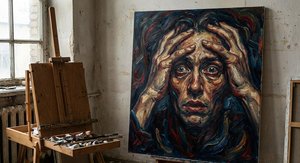
Acrylic On Canvas.

§ 1Catalogue data

§ 2Abstract
Popis zberateľského predmetu
Explore James Ensor's unsettling masterpiece, 'Carnival in Flanders,' depicting a vibrant Belgian carnival scene with symbolic imagery and biting social commentary. Discover its influence on Expressionism & Surrealism.
 Zobraziť viac
Biografia umelca
James Ensor (1860-1949) bol belgický maliar, pionier expresionizmu a surrealizmu. Poznáte jeho znepokojivé obrazy s maskami, karnevalmi a kostlivcami? Objevte jeho svetla!
§ 3Commentary
James Ensor’s Carnival in Flanders: A Symphony of Shadows and Spectacle
James Ensor's “Carnival in Flanders,” painted in 1931, isn’t merely a depiction of a Belgian fête; it’s a meticulously crafted psychological portrait rendered in oil on canvas—a testament to the artist’s unwavering fascination with unsettling imagery and social critique. Created during the height of Expressionism, this artwork transcends its surface appearance, inviting viewers into a darkly humorous contemplation of human behavior and societal anxieties.
- Subject Matter: The painting captures a vibrant carnival scene—a cacophony of figures jostling for position amidst elaborate decorations. Ensor eschews idealized beauty, presenting instead a raw portrayal of ordinary people engaged in revelry, albeit with an undercurrent of unease.
- Style & Technique: Ensor’s distinctive style is characterized by bold brushstrokes and jarring color palettes—a deliberate rejection of academic conventions. He employs thick impasto to create textural surfaces that amplify the emotional intensity of the scene, conveying a palpable sense of movement and disorientation.
- Historical Context: Painted in the wake of World War I, “Carnival in Flanders” reflects the pervasive disillusionment felt by many artists following the horrors of conflict. Ensor’s work aligns with the Expressionist impulse to confront uncomfortable truths about human nature and societal morality—a reaction against the optimism of preceding decades.
Symbolism & Emotional Impact: The central figure, holding an umbrella amidst a throng of others, embodies both vulnerability and defiance. Surrounding him are six umbrellas – a visual motif that Ensor frequently utilized to represent protection from external forces and the illusion of control. Notably, perched atop one of the figures is a bird—a symbol of freedom yet also of fragility, mirroring the precariousness of human existence within the spectacle of carnival.
Ensor’s masterful use of color contributes significantly to the artwork's emotional resonance. Dominant hues of crimson and ochre clash dramatically against muted browns and greens, creating a visual tension that mirrors the psychological turmoil depicted in the scene. The artist’s deliberate distortion of perspective further enhances this unsettling effect, immersing viewers in an atmosphere of disorientation and unease.
- Further Exploration: Consider Ensor's broader artistic oeuvre—particularly “The Laughing Cavalier” and “Night Café”—to appreciate the consistency of his stylistic vision and thematic concerns. These works share a similar preoccupation with grotesque imagery and psychological exploration, cementing Ensor’s legacy as one of the most influential artists of the early 20th century.
A reproduction of “Carnival in Flanders” offers an opportunity to engage with Ensor's profound artistic insights—a captivating glimpse into a world where joy masks despair and spectacle conceals unsettling truths. Its enduring power lies in its ability to provoke contemplation and challenge conventional perceptions of beauty and morality.
Otázky a odpovede
Kde si môžem stiahnuť „Carnival in Flanders“ od James Ensor?
Pre dielo „Carnival in Flanders“ je možné si zakúpiť digitálnu verziu: na stránke Stiahnuť digitálnu verziu pre toto dielo si môžete stiahnutie digitálneho obrázka vo vysokom rozlíšení.
Sú farby v díle „Carnival in Flanders“ od James Ensor sýte alebo tlmené?
Saturácia palety diela „Carnival in Flanders“ je na úrovni Subtle Color.
Pod akými inými menami alebo pseudonymami je známy/á James Ensor?
James Ensor sa objavuje aj pod inými menami: James Sidney Edouard Ensor, Baron Ensor.


 Prepnúť na tlač


 V prípade umeleckých diel alebo reprodukcií, ktorých ktorákoľvek strana je väčšia ako 105 cm (cca 41 palcov), sa rám dodáva v rozloženom stave ako sada. Táto metóda zabezpečuje bezpečnú доставu a chráni pred poškodením počas prepravy.