


 Zobraziť v interiéri
 Odoslať
 Zdieľať
 Podrobnosti
 Príručka

 Stiahnuť
 Podobné položky
 RTG skúška
 Prehliadanie diapo\]
 Štatistiky
La Mangeuse d' huitres


 Prečítať si viac
Giclée / Umenotlač
Giclée tlač alebo plátno múzeálnej kvality s rýchlou výrobou a rôznymi možnosťami povrchovej úpravy. ( Objednať ručne maľovanú reprodukciu Prepnúť na digitálnu verziu obrazu)




P118B €10

P118H €10

P118W €10

P438Z €10

P508JH €12

P508YH €12

P805H €10

P805Z €10

P919BZ €10

P919G €10

P919XJ €10

P959ZH €10

P968JZ €12

W106C €8

W218G €10

W218JH €8

W218Y €10

W307PJ €10

W316G €10

W316PJ €8

W316Y €10

W398PJ €8

W4111J €10

W500HY €15

W500JH €15

W692G €12

W849H €8

W940BG €15

W953PJ €8




Vyberte si z našich preddefinovaných rozmerov, ktoré zodpovedajú pôvodným pomeroḿ diela.

Zadajte šírku a výšku, ktoré potrebujete, aby sa reprodukcia hodila k vášmu rámu alebo stene. Print možno len orezávať, nikdy však nemennú veľkosť zvětšiť oproti pôvodnému obrázku, preto pri inom formáte stráca časť obrazu. Pred samotným vytlačiacím procesom vám pošleme digitálny náhľad na schválenie. Obrázok zobrazený na tejto stránke nezobrazuje reálny rez — len digitálny náhľad ukazuje presný výsledok.
Celosvetová doprava () do 2 týždňov namiesto štandardných 4 až 5 týždňov. (25 október)

Bezplatná expresná doprava po celom svete

Vysokokvalitné lnianske plátno

Úplné poistenie prepravy

Záruka vrátenia colného poplatku

Záruka presného farebného zhodnutia

100-dená politika vrátenia tovaru (iba pri vadách)

100% záruka vrátenia peňazí

Ponuka množstevnej zľavy
 Možnosť skla je dostupná len pri rozmeroch pod 110 cm

La Mangeuse d' huitres
Giclée / Umenotlač
Veľkosť reprodukcie
-


Celková cena
€ 56
La Mangeuse d' Huitres: A Glimpse into James Ensor’s Unsettling World
James Ensor’s *La Mangeuse d’Huitres* (The Oyster Eater), painted around 1888, is not merely a depiction of a woman enjoying her meal; it’s a carefully constructed tableau brimming with psychological tension and social commentary—a quintessential example of the artist's unique and profoundly unsettling vision. The painting immediately draws the viewer in with its vibrant, almost jarring palette: deep reds, blues, and yellows clash dramatically against the muted tones of the dining table and background. This deliberate discord reflects Ensor’s broader artistic philosophy – a rejection of academic realism in favor of expressing raw emotion and challenging conventional perceptions. The subject herself, seated at a richly appointed but slightly decaying table, is rendered with an unsettling ambiguity. Her expression is difficult to decipher; is she truly enjoying her meal, or does a subtle hint of unease flicker beneath the surface? This deliberate vagueness is key to understanding Ensor’s work – he rarely offers easy answers, preferring instead to provoke contemplation and discomfort. The presence of scattered books suggests an intellectual pursuit, yet their disarray hints at a mind struggling with conflicting ideas.A Masterclass in Symbolism and Masked Reality
Ensor's fascination with masks is central to interpreting *La Mangeuse d’Huitres*. The oyster shells scattered across the table are not simply decorative elements; they function as visual metaphors for concealment, deception, and the hidden aspects of human nature. His childhood spent amidst the exotic wares of his parents’ souvenir shop in Ostend, filled with carnival masks and peculiar objects, undoubtedly fueled this obsession. These masks weren't just theatrical props; they represented a way to escape identity, to embody different roles, and to explore the darker corners of the psyche. The woman herself could be seen as wearing a mask – a carefully constructed facade designed to conceal her true feelings or intentions. Furthermore, the background figure, partially obscured by the main scene, adds another layer of mystery and suggests an unseen presence, perhaps representing societal judgment or the weight of expectation.The Expressionist Roots of a Troubled Vision
*La Mangeuse d’Huitres* firmly places Ensor within the burgeoning movement of Expressionism, predating its formal recognition by decades. His use of distorted forms, exaggerated colors, and emotionally charged imagery anticipates the key tenets of this artistic approach. Unlike traditional portraiture which aimed to capture a likeness, Ensor prioritized conveying an internal state – a sense of anxiety, alienation, and perhaps even madness. The painting’s composition is deliberately claustrophobic, drawing the viewer into the confined space of the dining room and intensifying the feeling of unease. The brushwork itself is loose and expressive, contributing to the overall sense of dynamism and unrest. It's a deliberate departure from the smooth, polished surfaces favored by academic painters of the time.Historical Context and Lasting Influence
Painted during a period of significant social and political upheaval in Europe – the late 19th century – *La Mangeuse d’Huitres* can be interpreted as a commentary on Victorian society's rigid conventions and its hypocrisy. Ensor, a fiercely independent artist who often challenged societal norms with his provocative work, used his art to expose the darker side of human existence. His rejection of academic tradition and his embrace of unconventional subject matter made him a controversial figure during his lifetime, but today he is recognized as one of the most important and influential artists of the 20th century. Reproductions of *La Mangeuse d’Huitres* continue to resonate with viewers because they tap into universal themes of identity, deception, and the complexities of human relationships – a testament to Ensor's enduring artistic vision. AllPaintingsStore offers exceptional hand-painted reproductions that capture the full intensity and unsettling beauty of this remarkable masterpiece.Otázky a odpovede
Môžem si „La Mangeuse d' huitres“ od James Ensor pred kúpou pozrieť na vlastnej stene?
Dielo „La Mangeuse d' huitres“ od James Ensor si môžete vyskúšať priamo na vašej stene pomocou rozšírenej reality na kompatibilnom zariadení na stránke AR náhľad pre AR náhľad.
Čo zobrazuje „La Mangeuse d' huitres“ od James Ensor?
„La Mangeuse d' huitres“ od James Ensor zobrazuje: woman, dining, masks, carnival, belgium, table, shadows.
Ktorý priestor sa hodí k farbam diela „La Mangeuse d' huitres“ od James Ensor?
Vďaka svojej palete v odtieňoch Earthy sa dielo „La Mangeuse d' huitres“ od James Ensor odporúča do miestnosti typu Dining Room. Práve farby sú jedným z dôvodov tohto odporúčania.
Súvisiace diela


Biografia umelca
A Life Immersed in Masks and Shadows: The World of James Ensor
James Sidney Edouard Ensor, Baron Ensor, sa narodil v Ostende, Belgii, v roku 1860. Jeho život bol fascinujúca symbióza dvoch kultúr – jeho otec bol Angličan, matka Belgičanka. Táto dvojitá identita mohla byť predzvěstou neustáleho záujmu umelca o masky a kostýmy, témy, ktoré sa stali základom jeho znepokojivého, no zároveň fascinujúceho diela. Rástol v živom prístavnom mestečku, obklopený atmosférou karnevalov a zvláštnych záležitostí. Jeho rodičia vlastnili obchod s suvenírmi, plný mušlí, karnevalskej masky a neobyčajných predmetov – takmer ako skanzen divných artefaktov, ktorý podnietil jeho predstavivú vôľu a poskytol mu bohatý vizuálny slovník pre budúce diela. Hoci sa na začiatku zdráhal prijímať tradičné akademické vzdelanie, Ensor nakoniec nastúpil do Kráľovskej akadémie umení v Bruseli, ale jeho rozvíhajúca sa umelecká videnie našla štruktúru Akadémie príliš oštepujúcu. Rýchlo si uvedomil, že potrebuje vytvoriť vlastnú cestu, ktorá ho prevedie za hranice konvencií.From Somber Realism to Grotesque Visions
Ensorove prvé maľby odrážali tradičnejší prístup, zobrazujúc každodenné scény v temných tónoch. Diály ako *Ruská hudba* (1881) a *Pijanisti* (1883) ukazujú mladého talentu, ktorý sa snaží o realizmus, ale aj v týchto skorých dielach sú prítomné náznaky znepokojivých obrazov, ktoré prichádzajú. Zásadný posun nastal, keď sa Ensorova paleta rozjasnila a jeho témy sa stávajú čoraz bizarnými. Začal povoľovať svoje plátna karnevalmi, kostlivcami, figúrami z marioniet a alegórickými postavami – svetom plným fantázie a často až groteskných javov. Toto nebolo len stylistické zmeny; bolo to úmyselnou skúsenosťou s tmavšími aspektmi ľudského existencie, odmietanie spoločenských noriem a prijatie iracionálneho. Jeho štýl sa okamžite stal rozpoznateľným svojimi výraznými postými, bohatými farbami a divadelnou atmosférou – vizuálna reč, ktorá bola jedinečná pre neho. Vplyv detských zážitkov v prístave bol nespochybniteľný: masky neboli len dekoratívne prvky; boli to symboly skrytých identít, sociálneho kritického postoja a zraniteľnosti vzhľadu.Masterpieces of Disquiet: Key Works and Recurring Themes
Počas svojich rokov tvorby Ensor vytvoril sériu diel, ktoré dodnes fascinujú a znepokojujú divákov. *Zúrivé masky* (1883) predstavuje skorý dôkaz jeho záujmu o skrytý vzhľad a jeho schopnosť odhaľovať skryté emócie. Jeho najkontroverznejšie dielo, *Vstup Krista do Bruselu* (1888-1889), zostáva silnou satyrou na náboženskú hybnosť a spoločenské bezstarostné správanie – obraz, ktorý bol po prvýkrát kritizovaný, ale dnes je oslavovaný ako majstrovské dielo. Zobrazenie Krista vstupujúceho do mesta plného groteskných maskovaných postáv je silným komentárom na rozpor medzi duchovnými ideálmi a ľudským správaním. *Kostlivci bojujú o upusteného muža* (1891) ponúka znepokojivú meditáciu o smrti, rozklade a absurdite života, zatiaľ čo *Tribulácie svätého Antona* (1887) skúma komplexné alegorické témy pokušenia, hriechu a duchovného zápasu. Opakujúce sa motívy v jeho dielach zahŕňajú tematu smrti, sociálnu kritiku, náboženskú satiru a nekonečnú moc predstavivosti – témy, ktoré rezonujú s univerzálnou relevanciou.A Pioneer of Modernism: Influences and Legacy
Hoci Ensor odmietol byť ľahko kategorizovaný, jeho umelecká linia je komplexná a fascinujúca. Uznával vplyvy majstrov ako Pieter Bruegel the Elder, ktorých preplnené scény a morálne ponuky rezonovali s jeho vlastným videním, ako aj Francisco Goya, ktorého temné humor a bezúhľadné zobrazenie ľudskej bolesti zanechali trvalý odkaz. Vplyv Jamesa Abbott McNeilla Whistlera na zdôrazňovanie estetiky tiež ovplyvnil jeho umelecké vedomie. Avšak Ensor nebol len napodobiteľom; syntetizoval tieto vplyvy do niečoho úplne nového a originálneho. Je dnes široko uznávaný ako kľúčová postava pri prelome z 19. storočia Symbolizmu na raný 20. stôrocie Expressionizmus a Surrealizmus – skutočný pionier modernej umeleckej tvorby. Jeho odvážna skúmanie podvedomia, prijatie groteskných obrazov a odmietanie akademických konvencií pripravili cestu pre budúce generácie umelcov, ktorí sa odvážili zpochybniť umelecké normy. Hoci čelil počiatkovej opoveď, Ensor nakoniec získal uznanie v neskorších rokoch, keď bol menovaný barónom kráľom Albertom I. v roku 1929 a ocenený Légion d’honneur v roku 1933. Zomrel v Ostende v roku 1949, zanechávajúc dielo, ktoré dodnes fascinuje, znepokojuje a inšpiruje.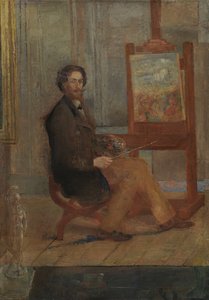
James Ensor
1860 - 1949 , Belgie
Rýchle fakty
- Artistic Movement Or Style: Výrazoizmus, Surrealizmus
- Artists Or Movements Influenced By This Artist:
- Výrazoizmus
- Surrealizmus
- Artists Who Influenced This Artist:
- Bruegel mlýnský
- Goya
- Whistler
- Date Of Birth: 13 apríla 1860
- Date Of Death: 19 novembra 1949
- Full Name: James Sidney Edouard Ensor
- Nationality: Belgík
- Notable Artworks:
- Masky zúrivosti
- Kostoly a mŕtví
- Vstup Krista do Bruselu
- Place Of Birth: Ostend, Belgicko
Súvisiace články
Unveiling the Mystery: A Journey Through the World's Most Iconic Mask Artworks
Embark on a profound journey through the world's most iconic mask artworks. Explore the spiritual depth, intricate craftsmanship, and rich cultural heritage of global traditions, from Chhau to Gomira, in this expert-led exploration of ancestral artistry and symbolic beauty.

James Ensor's Grotesque Visions: Social Commentary & Artistic Innovation
Explore the unsettling yet captivating world of James Ensor, a pioneer of Expressionism. Discover his satirical masterpieces, symbolic imagery & lasting influence on modern art. High-quality reproductions available at AllPaintingsStore.
Sir Alfred James Munnings: Top 25 Majstrovských Diel pre Kolekcionárov a Milovníkov Umenia
Objavte top 25 majstrovských diel Alfreda Jamesa Munninga – britského impresionistu oslávujúceho kone a krajinu. Historické maľby, portréty koní a vojnové scény v múzejnej kvalite. Nájdite perfektnú dekoráciu interiéru na AllPaintingsStore.com

Surrealist Expressionism: A Definitive Guide to the Intersection of Dream Logic and Raw Emotion
Explore the profound history of Surrealist Expressionism. Discover how artists blended dream logic with raw emotion to navigate post-war trauma through masterful, evocative imagery and psychological depth.
James Abbott McNeill Whistler: Top 25 diel pre milovníkov umenia a luxusného interiéru
Ponorte sa do sveta Jamesa Abbotta McNeilla Whistlera! Objavte 25 ikonických diel amerického impresionistu – portréty, Nocturnes a farebné harmónie. Kúpiť reprodukcie obrazov pre luxusný interiér na AllPaintingsStore.com.


