Záruka vrátenia peňazí · 100 dní Bezplatné celosvetové doručenie
449 564artworks 30 613umelci 4 660múzeá 32jazyky
Katalogový záznam

Triptych

1510. Oil On Panel, 73.0 x 56.0 cm. Wallraf-Richartz-Museum.

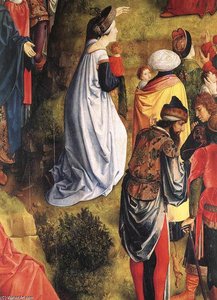
Obr. 1. Jan De Beer, Triptych, 1510. Zobrazené ako špecifikovaná reprodukcia: , .

§ 1Katalogové údaje

Rozmery
73.0 x 56.0 cm

§ 2Abstraktné

Popis zberateľského predmetu

A dramatic Renaissance triptych by Jan De Beer featuring rich oil scenes of solemn religious gatherings and grand Gothic architecture that invites you to explore the exquisite detail of this 1510 masterpiece.

Biografia umelca

An Antwerp Mannerist master known for his Triptych. Discover the divine beauty of his religious works today.

§ 3Komentár

A Window into the Devotion of the Northern Renaissance

In the quiet, hallowed atmosphere of the Wallraf-Richartz-Museum in Cologne, there exists a portal to a bygone era of profound spiritual intensity. Jan De Beer’s Triptych, dating from approximately 1510, is not merely a painting but a sacred architectural experience rendered in oil and oak. As one approaches these three panels, the viewer is immediately enveloped by the dramatic grandeur of the Northern Renaissance. This masterpiece serves as a breathtaking testament to an age where art was the primary vessel for divine communication, blending the meticulous realism of the Netherlandish tradition with a burgeoning sense of theatrical scale.

The composition unfolds across three distinct panels, each measuring 73 x 56 cm, creating a rhythmic movement that guides the eye through scenes of solemn religious gatherings. De Beer utilizes the unique format of the triptych to orchestrate a narrative flow, where the central focus is anchored by grand Gothic architecture. These soaring arches and intricate stone details do more than provide a setting; they act as a symbolic bridge between the earthly realm of the figures depicted and the celestial heavens above. The artist’s ability to render light filtering through these imagined cathedrals creates a sense of depth that pulls the observer into the very heart of the liturgy.


Mastery of Light and Netherlandish Detail

The technical brilliance of Jan De Beer lies in his command over the oil medium, a technique that allowed for the exquisite layering of glazes to achieve unparalleled luminosity. Every inch of this work reveals a devotion to detail that is characteristic of the period's finest practitioners. One can observe the heavy, rich textures of ceremonial garments, the subtle sheen on polished surfaces, and the atmospheric haze that lends a sense of profound stillness to the religious assembly. This meticulous approach ensures that even the smallest element—a fold in a cloak or the shadow cast by a pillar—contributes to the overall emotional weight of the piece.

For the discerning collector or interior designer, this triptych offers an unparalleled opportunity to introduce a sense of historical gravity and sophisticated elegance into a space. The interplay of light and shadow within the painting provides a dynamic visual interest that evolves with the ambient lighting of a room. Whether placed in a curated gallery setting or as a focal point in a stately library, the work commands attention through its quiet power rather than through mere ornamentation. It is an invitation to contemplate the intersection of human craftsmanship and spiritual aspiration.


A Timeless Legacy for Modern Interiors

Beyond its historical significance, the Triptych resonates with a contemporary appreciation for storytelling and structural beauty. The piece embodies a sense of "sacred drama," where the solemnity of the figures evokes a meditative state in the viewer. This emotional resonance makes it an ideal choice for those seeking to decorate spaces intended for reflection, study, or high-end hospitality environments that require a touch of Old World prestige.

Owning a high-quality reproduction of such a significant work allows one to preserve the legacy of Jan De Beer within a modern context. It brings the rich textures and the somber, beautiful palette of the 16th century into the present day, offering a sophisticated layer of cultural depth. To display this triptych is to celebrate the enduring human desire to capture the sublime through the mastery of paint and wood.

Otázky a odpovede

K ktorému umelcovi sa pripisuje dielo "Triptych"?

Dielo „Triptych“ vytvoril/a Jan De Beer. Informácie na tejto stránke opisujú originálne dielo umelca/ky Jan De Beer.

Ako sa v díle „Triptych“ spájajú kontrast a harmónia?

Farebná analýza diela „Triptych“ od Jan De Beer zachytáva Statement kontrast a Strong Color Unity harmóniu.

Z akých krajín pochádzajú návštevníci diela „Triptych“ od Jan De Beer?

Pre dielo „Triptych“ je k dispozícii stránka Štatistiky. Zobrazuje mesačnú návštevnosť tohto diela a ďalších prác daného umelca s rozdelením podľa krajín a jazykov.

§ 4Umenec

Jan De Beer

Jan De Beer

1475 - 1528, Netherlands

Rýchle fakty o umelcovi Jan De Beer

  • Artistic Movement Or Style: Antwerp Mannerism
  • Full Name: Jan De Beer
  • Notable Artworks:
    • Madonna and Child with a pilgrim and an angel
    • Triptych
    • Annunciation
  • Place Of Birth: Netherlands
  • Date Of Birth: 1475
  • Date Of Death: 1528

Biografia umelca

The Master of Antwerp Mannerism

Jan De Beer stands as a luminous figure from the dawn of the sixteenth century, a period of profound spiritual and artistic transition in the Low Countries. Active primarily in Antwerp, he was a central protagonist in a loose but influential group of painters known as the Antwerp Mannerists. For many years, his individual identity remained shrouded in mystery, as much of his oeuvre was attributed to the Master of the Milan Adoration. It was only through the diligent efforts of art historians in the twentieth century that De Beer was rediscovered and reclaimed from the shadows of anonymity, revealing a painter of immense technical skill and profound religious devotion.

Born into an artistic lineage as the son of the painter Claes de Beer, Jan’s path was paved with the traditions of his craft. His early training under Gillis van Everen provided him with a foundation in the meticulous Netherlandish style, yet he would go on to transcend mere imitation. By 1504, he had achieved the prestigious status of master within the Antwerp Guild of Saint Luke, eventually rising to the esteemed position of dean. His professional life was deeply intertwined with the vibrant, bustling commerce and religious fervor of Antwerp, where he operated a large and productive workshop that shaped the visual language of the era.

A Symphony of Devotion and Detail

The work of Jan De Beer is characterized by a breathtaking marriage of Northern Renaissance realism and a burgeoning sense of theatricality. His compositions often serve as sacred windows, inviting the viewer into moments of divine encounter. In masterpieces such as his Annunciation, one finds a world where the celestial and terrestrial realms breathe in unison. He possessed a singular ability to render the weight of a heavy, ceremonial garment or the delicate, translucent sheen of a wine glass with such precision that the objects seem to possess a life of their own. This mastery of the oil medium allowed him to employ subtle gradations of light and shadow, creating a sense of volume and depth that pulls the observer into the heart of the narrative.

Beyond mere technical virtuosity, De Beer’s art is steeped in a rich tapestry of symbolism. Whether through the presence of birds hinting at divine grace or the architectural grandeur of Gothic arches acting as bridges to the heavens, every element of his work is imbued with meaning. His triptychs, such as those dating from approximately 1510 and 1515, demonstrate a sophisticated command over narrative flow, using multiple panels to orchestrate complex religious dramas that move between intimate indoor sanctuaries and expansive, sunlit vistas. In these works, the meticulous craftsmanship of the Northern tradition meets an emerging interest in human interaction and architectural scale.

Legacy and Historical Significance

Though his name fell into obscurity following the end of the sixteenth century, Jan De Beer’s influence endured through the lasting impact of the Antwerp Mannerist style. He was a contemporary of other great figures like Quentin Matsys and may have even collaborated with landscape innovators such as Joachim Patinir. His ability to maintain fame and respect during his lifetime—as noted by the Italian biographer Lodovico Guicciardini—speaks to the high regard in which he was held by his peers.

Today, De Beer is recognized not merely as a skilled craftsman, but as an artist who captured the very soul of a period in transition. His rediscovered legacy offers a vital link to the spiritual intensity of the early sixteenth century, reminding us of an age where art served as the primary vessel for divine communication and where every brushstroke was an act of profound faith.

§ 5Súvisiace diela

§ 6Otázky

Základné informácie

  • Artist: Jan De Beer
  • Artistic style: Renaissance
  • Location: Wallraf-Richartz-Museum, Cologne
  • Dimensions: 73 x 56 cm
  • Title: Triptych

§ 7Citujte tento príspevok

AllPaintingsStore.com, “Jan De Beer, Triptych (1510)”, https://allpaintingsstore.com/sk/art/jan-de-beer-triptych-8XZ9X9-en/ (dátum prístupu 7 október 2026).

§ 8Reprodukcia diela

Ručne maľovaná olejová reprodukcia

Ručne maľovaný olej na plátne vo vašej zvolenej veľkosti a v ráme, vyrobený na mieru našimi umelcami. ( Prepnúť na tlač Prepnúť na digitálny obraz)

Je uvedené na objednávke v okrajovej časti; súčasný stav tejto listiny je nasledovný.

Triptych

Technika reprodukcie

Veľkosť reprodukcie

-

Výborne skúsený umelec

Viac detailov, jemnosti a dodatočného času na výrobu

-

Rámovanie reprodukcie

-

-

V prípade umeleckých diel alebo reprodukcií, ktorých ktorákoľvek strana je väčšia ako 105 cm (cca 41 palcov), sa rám dodáva v rozloženom stave ako sada. Táto metóda zabezpečuje bezpečnú доставu a chráni pred poškodením počas prepravy.

Vyžaduje sa odborná montáž – toto nie je produkt na vlastnú prípravu (DIY).
Sada musí byť zmontovaná a plátno napnuté skúseným profesionálnym rámovaníkom, s použitím drevárneho lepidla (nie je súčasťou sady), klieš na napínanie plátna a svoriek na udržanie prav角的 rámov počas schnutia lepidla. Nesprávna montáž alebo nerovnomerné napnutie plátna môže trvalo poškodiť umelecké dielo, čo nie je kryté našou zárukou.

  • Všetky lišty z masívneho dreva sú súčasťou balenia, presne narezané na mieru.

  • Montuje sa pomocou súčasťou balenia dodaných skrutiek, plus drevolepu na spoje v rohoch, ktorý nie je súčasťou balenia a musí si ho zabezpečiť váš montážnik.

  • Vyžadujú sa profesionálne nástroje, ktoré nie sú súčasťou sady: kliešte na napínanie plátna (napínací nástroj) a svorky na udržanie pravých uhlov rámov počas schnutia lepidla.

Dôležité:
Spoje v rohoch si vyžadujú lepidlo na drevo, tyče je potrebné upevniť pomocou svoriek, kým lepidlo úplne newyschne, a napnutie plátna na zostavený rám si vyžaduje klieže na napínanie plátna. Žiadna z týchto pomôcok nie je súčasťou sady. Pred objednaním tejto veľkosti si, prosím, zabezpečte skúseného odborníka na zakladanie rámov.

Popisné označenie

-

-

Ochranný lak

Lesklý lak (zvýrazňuje farby, chráni pred svetlom a vlhkosťou)

-

Prispôsobiť moje dielo

Príklady možností úprav: nahradenie tváre vlastnou fotografiou; pridanie domáceho zvieraťa (napr. nahradenie mačky psom); vloženie skrytého odkazu do pozadia; zmena krajiny alebo prvkov v pozadí.

-

Prioritné doručenie

Celosvetová doprava () za 3 až 4 týždne namiesto štandardných 5 týždňov. (5 november). Bez kompromisov v kvalite.

-

Rýchle doručenie

Celosvetová doprava do za 5 týždňov. (12 november).

V cene

Celková cena

€ 229

Súčasťou každej objednávky

  • Bezplatná expresná doprava po celom svete
  • Vysokokvalitné lnianske plátno
  • Kompletné poistenie prepravy
  • Záruka vrátenia colného poplatku
  • Záruka presného farebného zhodnutia
  • 100-dená politika vrátenia tovaru (iba pri vadách)
  • 100% záruka vrátenia peňazí
  • Zľava pri väčšom množstve
Objednávací list