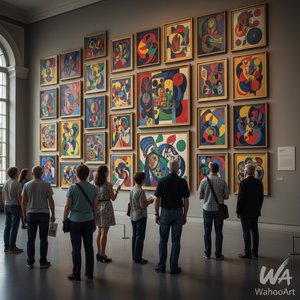
1977. Acrylic On Canvas.

§ 1Catalogue data


Toto dielo je chránené autorským právom
Umelecké dielo zobrazené na tejto stránke je chránené autorským zákonom, čo znamená, že nemôžeme legálne vytvárať ani predávať jeho identickú reprodukciu. Táto ochrana je vymáhaná na základe medzinárodných dohôd, ako napríklad Bernská konvencia a národnými zákonmi, vrátane tých, ktoré sú stanovené v Autorské právo USA – Title 17. Všetky práva vyhradené.
Ako rešpektujúca a legálna alternatíva ponúkame vlastné, ručne maľované diela inšpirované originálom. Naši skúsení a profesionálni umelci dôkladne študujú štýl, náladu a umelecký podnet originálu, aby vytvorili nové, jedinečné dielo, ktoré vyvoláva rovnaký pocit – pričom samo ostáva vlastným originálnym dielom.
Táto metóda plne dodržiava autorské práva, pretože nezahŕňa kopírovanie ani duplikovanie chráneného diela. Ide skôr o kreatívnu reinterpretáciu – nový obraz, ktorý je ovplybnený originálom, no nie je s ním identický.
 Zobraziť viac
§ 2Abstract
Popis zberateľského predmetu
Explore Joan Miró’s ‘Donna (Wall)’ (1977), a vibrant abstract masterpiece blending Surrealism and Catalan identity. Featuring playful shapes, rich colors, and an interactive setting, it's a captivating exploration of art and perception.
Biografia umelca
Objavte svet Joan Miró! Pozrite si surrealistické abstraktné maľby, katalánsku symboliku a hravé tvary. Pionier modernej umeleckej tvorby – reprodukcie dostupné na AllPaintingsStore!
§ 3Commentary
A Catalan Visionary’s Mural: Unveiling “Donna (Wall)”
Joan Miró, a name synonymous with playful abstraction and the vibrant heart of the Surrealist movement, gifted us with countless works that defy easy categorization. Yet, "Donna (Wall)," created in 1977, stands as a particularly compelling example of his unique artistic vision – a sprawling, immersive piece that transcends the boundaries of traditional painting. More than simply an image, it’s a portal into Miró's subconscious, a testament to his lifelong fascination with dreams, memory, and the untamed landscapes of his native Catalonia. This artwork wasn’t merely painted; it felt constructed, assembled – mirroring the artist’s own process of layering ideas and textures.
The painting immediately captivates with its bold color palette: a riot of reds, greens, yellows, blues, and whites that dance across the canvas. These aren't colors used in a literal sense; they are emotional hues, imbued with the energy of Miró’s Catalan heritage. The composition itself is delightfully chaotic yet strangely harmonious. At its core lies an abstracted dog-like figure – a recurring motif in Miró’s work – rendered through a series of circles and geometric shapes. This isn't a realistic depiction; it’s a distilled essence, a symbolic representation of instinct and primal energy. The hat perched atop the creature’s head adds a touch of whimsical absurdity, further emphasizing the painting’s surreal quality.
The Language of Abstraction: Miró’s Signature Style
Miró's approach to abstraction is deeply rooted in his personal experiences and artistic influences. He drew inspiration from the organic forms of Gaudí’s architecture in Barcelona, as well as the vibrant folk art traditions of Catalonia. However, unlike some abstract artists who sought purely geometric solutions, Miró retained a strong connection to recognizable imagery – though often distorted and reinterpreted. The circles, lines, and shapes within "Donna (Wall)" aren't random; they are carefully considered symbols that invite interpretation. The painting’s texture is also significant; it appears layered with various materials, hinting at the artist’s desire to create a tactile experience for the viewer – an invitation to reach out and touch the dream.
Contextualizing the Mural: Setting and Symbolism
The setting of “Donna (Wall)” – displayed on a wall within a domestic space – is crucial to understanding its meaning. It’s not intended for solitary contemplation but rather for shared experience, mirroring Miró's own desire to create art that engages with the viewer directly. The presence of two figures observing the artwork suggests an interactive dynamic, highlighting the role of the audience in completing the painting’s narrative. The dog figure itself is often interpreted as a symbol of fertility and protection – a primal guardian watching over the space. It's also been suggested to represent Miró himself, a solitary figure navigating his own internal world.
A Legacy of Dreams: Joan Miró and Beyond
"Donna (Wall)" is more than just a beautiful painting; it’s a window into the mind of one of the 20th century's most imaginative artists. Its vibrant colors, playful forms, and evocative symbolism continue to resonate with viewers today. The work exemplifies Miró’s ability to seamlessly blend abstraction with figurative representation, creating art that is both intellectually stimulating and emotionally engaging. Reproductions of this piece offer a remarkable opportunity to bring the spirit of Miró's Catalan vision into your home – a reminder of the power of dreams, memory, and the boundless possibilities of artistic expression. Consider how its scale and texture would complement your interior design—a bold statement that invites contemplation and wonder.
Otázky a odpovede
Akú náladu a emóciu v sebe spája dielo „Donna (Wall)“?
„Donna (Wall)“ od Joan Miró vyvoláva Playful pocit v rámci celkového Playful nálady.
Aká sýta je paleta diela „Donna (Wall)“?
„Donna (Wall)“ od Joan Miró je zachytené s Balanced Soft saturáciou.
Aké miesto si v dejinách umenia predstavuje „Donna (Wall)“ od Joan Miró?
Z historického hľadiska je „Donna (Wall)“ dielo zastúpedobiteľné pre smer Surrealist Abstraction širšej éry Modern.


 Prepnúť na tlač


 V prípade umeleckých diel alebo reprodukcií, ktorých ktorákoľvek strana je väčšia ako 105 cm (cca 41 palcov), sa rám dodáva v rozloženom stave ako sada. Táto metóda zabezpečuje bezpečnú доставu a chráni pred poškodením počas prepravy.