Záruka vrátenia peňazí · 100 dní Bezplatné celosvetové doručenie
449 564artworks 30 613umelci 4 660múzeá 32jazyky
Katalogový záznam

Placa redonda

Acrylic On Canvas.

Obr. 1. Joan Miró, Placa redonda. Zobrazené ako špecifikovaná reprodukcia: , .

§ 1Katalogové údaje

§ 2Abstraktné

Popis zberateľského predmetu

Explore "Placa redonda" by Joan Miró – an enchanting abstract composition featuring playful forms and a prominent dog figure, showcasing the artist's Surrealist vision.

Biografia umelca

Objavte svet Joan Miró! Pozrite si surrealistické abstraktné maľby, katalánsku symboliku a hravé tvary. Pionier modernej umeleckej tvorby – reprodukcie dostupné na AllPaintingsStore!

§ 3Komentár

A Whimsical World Unveiled: Exploring Joan Miró’s “Placa redonda”

Joan Miró's “Placa redonda” is not merely a painting; it’s an invitation into a dreamscape, a visual poem brimming with the artist’s signature blend of playful abstraction and profound symbolism. This captivating work, though modest in size (the exact dimensions remain undocumented), possesses an expansive quality, drawing the viewer into its intricate world of biomorphic forms and vibrant hues. At first glance, one is struck by the prominent canine figure—a whimsical dog standing upright, almost human in posture. But to perceive this as simply a depiction of an animal would be to miss the deeper currents flowing beneath the surface. Miró wasn’t interested in replicating reality; he sought to unlock the subconscious, to translate the language of dreams and instincts onto canvas.

The Language of Symbols: Decoding Miró's Visual Vocabulary

Born in Barcelona in 1893, Joan Miró developed a unique artistic vocabulary deeply rooted in Catalan identity and Surrealist exploration. While he briefly engaged with movements like Cubism, he quickly forged his own path, rejecting rigid structures in favor of intuitive expression. “Placa redonda” exemplifies this approach. The dog, often interpreted as a self-portrait or a representation of loyalty and companionship, is surrounded by an array of enigmatic shapes and figures. These aren’t random arrangements; they are carefully considered symbols drawn from Miró's personal mythology. The scattered forms—floating eyes, ladder-like structures, and amorphous blobs—evoke a sense of childlike wonder and primal energy. The painting isn’t about *what* is depicted but rather *how* it feels. It taps into universal archetypes, resonating with the viewer on an emotional level.

Technique and Texture: A Masterclass in Subtlety

Miró's technique in “Placa redonda” is deceptively simple yet remarkably sophisticated. He employed a limited palette of primary colors—red, blue, yellow—alongside black lines to define forms and create spatial relationships. The application of paint appears fluid and spontaneous, but closer inspection reveals a meticulous control over texture and layering. He often thinned his paints, allowing them to bleed into the canvas, creating a sense of luminosity and depth. This technique contributes to the painting’s ethereal quality, as if the images are emerging from a hazy dream. The circular format itself—the “placa redonda” or round plate—adds another layer of meaning, suggesting wholeness, unity, and the cyclical nature of life.

A Legacy of Innovation: Miró's Enduring Influence

Joan Miró’s impact on 20th-century art is undeniable. He paved the way for abstract expressionism and influenced generations of artists with his innovative use of color, form, and symbolism. “Placa redonda,” though a relatively lesser-known work compared to some of his larger canvases, encapsulates the essence of his artistic vision. It’s a testament to his ability to transform personal experiences and subconscious impulses into universally accessible works of art. For collectors and interior designers alike, a reproduction of this painting offers more than just aesthetic appeal; it provides a window into a world of imagination, inviting contemplation and sparking creativity within any space.

Otázky a odpovede

Kde môžem kúpiť print diela „Placa redonda“ od Joan Miró?

Ak si chcete objednať print diela „Placa redonda“ od Joan Miró, stačí si ho objednať priamo na jeho stránke Fine art tlač: umelecká tlač na bavlnenom plátne alebo archivnom plátnovom papieri.

Akú atmosféru by do miestnosti priniesla reprodukcia diela „Placa redonda“ od Joan Miró?

Dielo „Placa redonda“ od Joan Miró má Playful atmosféru a odporúča sa do Living Room. Nálada predstavuje to, čo toto dielo vnáša do prostredia okolo neho.

K ktorému umeleckému smeru patrí „Placa redonda“ od Joan Miró?

„Placa redonda“ je dielo smeru Surrealist Exploration. Tento smer odzrkadľuje umeleckú tradíciu, ktorej toto dielo súčasťou.
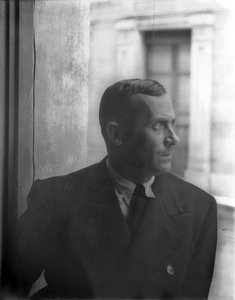
§ 4Umenec

Joan Miró

Joan Miró

1893 - 1983, Španielsko

Rýchle fakty o umelcovi Joan Miró

  • Artistic Movement Or Style: Surrealizmus, Abstrakčná tvorba
  • Artists Who Influenced This Artist:
    • Pablo Picasso
    • Salvador Dalí
  • Date Of Birth: 20 Apr 1893
  • Date Of Death: 25 Dec 1983
  • Full Name: Joan Miró i Ferrà
  • Nationality: Španielsko
  • Notable Artworks:
    • The Farm
    • Dutch Interiors
    • Painting
  • Place Of Birth: Barcelona, Španielsko

Biografia umelca

A Catalan Visionary: The Life and Art of Joan Miró

Joan Miró i Ferrà, born in Barcelona in 1893, stands as one of the most significant figures in 20th-century art. His journey was not merely a progression through styles but an exploration of inner worlds, translating dreams, memories, and Catalan identity onto canvas with a uniquely poetic visual language. From humble beginnings marked by illness and initial parental reservations about his artistic pursuits, Miró persevered, driven by an innate need to express the intangible—the emotions, sensations, and subconscious currents that lie beneath the surface of reality. His early life was steeped in the traditions of Barcelona, a city brimming with architectural marvels thanks to Antoni Gaudí, whose organic forms would subtly influence Miró’s later abstractions. The goldsmithing profession of his father instilled an appreciation for meticulous craftsmanship, while the rugged Catalan landscape became a recurring motif and source of inspiration throughout his career.

Early Influences and the Path to Surrealism

Miró's formal artistic training began at La Llotja in Barcelona, where he honed his skills in traditional techniques. However, it was exposure to the avant-garde movements sweeping through Paris that truly ignited his creative evolution. The vibrant colors of Fauvism and the fragmented forms of Cubism resonated deeply, prompting him to move to Paris in 1920. This period proved pivotal as he encountered artists like Pablo Picasso and began experimenting with increasingly abstract compositions. Yet, Miró didn’t simply adopt these styles; he synthesized them, forging a path toward his own distinctive aesthetic. He sought to distill forms to their essence, stripping away representational details in favor of symbolic shapes and evocative colors. This exploration led him to the Surrealist group in 1924, aligning him with artists such as Max Ernst and Salvador Dalí. While embracing the Surrealist interest in the subconscious, Miró maintained a unique sensibility—his work was less about shocking imagery or Freudian symbolism than it was about creating a world of playful forms and poetic suggestion.

The Language of Symbols: Key Works and Artistic Innovations

Throughout the 1920s and 30s, Miró developed his signature visual vocabulary—a universe populated by biomorphic shapes, floating forms, and vibrant colors. The Farm (1922), often considered a cornerstone of his oeuvre, exemplifies this transition. It’s not merely a depiction of rural life but an evocation of Catalan identity and a symbolic representation of the natural world. His collaborative spirit led to innovative techniques like *grattage*, pioneered with Max Ernst in 1926 for designs intended for Sergei Diaghilev's ballet, where textures were revealed by scraping paint across canvas. The Dutch Interiors (1928) series demonstrated his ability to reinterpret the Old Masters through a distinctly modern lens, transforming domestic scenes into dreamlike abstractions. Painting (1933), with its bold colors and simplified forms, encapsulates Miró’s exploration of the subconscious and his rejection of conventional artistic boundaries. Beyond painting, Miró fearlessly experimented with sculpture, ceramics, and printmaking, expanding his creative horizons and demonstrating a remarkable versatility.

Legacy and Enduring Influence

Joan Miró's impact on 20th-century art is undeniable. He wasn’t simply a painter; he was a visionary who challenged the very definition of artistic expression. His work paved the way for abstract expressionism and continues to inspire artists across disciplines. He established two foundations—the Fundació Joan Miró in Barcelona (1975) and the Fundació Pilar i Joan Miró in Palma de Mallorca (1981)—ensuring that his legacy would endure, providing spaces for artistic exploration and education. Throughout his long career, he remained committed to pushing boundaries, questioning conventions, and exploring the depths of human imagination. Miró’s art is a testament to the power of abstraction, symbolism, and poetic expression—a vibrant celebration of life, dreams, and the enduring spirit of Catalan culture. His work continues to resonate with audiences worldwide, inviting us to enter a world where anything is possible and the boundaries between reality and fantasy blur into a captivating dance of color and form.

§ 5Súvisiace diela

§ 6Otázky

Základné informácie

  • Notable elements or techniques: Dog figure, abstract shapes
  • Subject or theme: Abstract composition
  • Artistic style: Abstract, Surrealism

Kvíz o umení

Pri každej otázke je iba jedna správna odpoveď.

Otázka 1:
Based on the image description, what is a prominent feature of Joan Miró’s ‘Placa redonda’?
Otázka 2:
Joan Miró was born in which country?
Otázka 3:
Which artistic movement is Joan Miró most closely associated with?
Otázka 4:
According to the provided biography, what was an early influence on Miró's artistic style?
Otázka 5:
What is the Fundació Joan Miró primarily dedicated to?

§ 7Citujte tento príspevok

AllPaintingsStore.com, “Joan Miró, Placa redonda”, https://allpaintingsstore.com/sk/art/joan-miro-placa-redonda-8EWKZB-en/ArtistReproduction/ (dátum prístupu 8 október 2026).

§ 8Reprodukcia diela

Ručne maľovaná olejová reprodukcia

Ručne maľovaný olej na plátne vo vašej zvolenej veľkosti a v ráme, vyrobený na mieru našimi umelcami. ( Prepnúť na tlač Prepnúť na digitálny obraz)

Je uvedené na objednávke v okrajovej časti; súčasný stav tejto listiny je nasledovný.

Placa redonda

Technika reprodukcie

Veľkosť reprodukcie

-

Výborne skúsený umelec

Viac detailov, jemnosti a dodatočného času na výrobu

-

Rámovanie reprodukcie

-

-

V prípade umeleckých diel alebo reprodukcií, ktorých ktorákoľvek strana je väčšia ako 105 cm (cca 41 palcov), sa rám dodáva v rozloženom stave ako sada. Táto metóda zabezpečuje bezpečnú доставu a chráni pred poškodením počas prepravy.

Vyžaduje sa odborná montáž – toto nie je produkt na vlastnú prípravu (DIY).
Sada musí byť zmontovaná a plátno napnuté skúseným profesionálnym rámovaníkom, s použitím drevárneho lepidla (nie je súčasťou sady), klieš na napínanie plátna a svoriek na udržanie prav角的 rámov počas schnutia lepidla. Nesprávna montáž alebo nerovnomerné napnutie plátna môže trvalo poškodiť umelecké dielo, čo nie je kryté našou zárukou.

  • Všetky lišty z masívneho dreva sú súčasťou balenia, presne narezané na mieru.

  • Montuje sa pomocou súčasťou balenia dodaných skrutiek, plus drevolepu na spoje v rohoch, ktorý nie je súčasťou balenia a musí si ho zabezpečiť váš montážnik.

  • Vyžadujú sa profesionálne nástroje, ktoré nie sú súčasťou sady: kliešte na napínanie plátna (napínací nástroj) a svorky na udržanie pravých uhlov rámov počas schnutia lepidla.

Dôležité:
Spoje v rohoch si vyžadujú lepidlo na drevo, tyče je potrebné upevniť pomocou svoriek, kým lepidlo úplne newyschne, a napnutie plátna na zostavený rám si vyžaduje klieže na napínanie plátna. Žiadna z týchto pomôcok nie je súčasťou sady. Pred objednaním tejto veľkosti si, prosím, zabezpečte skúseného odborníka na zakladanie rámov.

Popisné označenie

-

-

Ochranný lak

Lesklý lak (zvýrazňuje farby, chráni pred svetlom a vlhkosťou)

-

Prispôsobiť moje dielo

Príklady možností úprav: nahradenie tváre vlastnou fotografiou; pridanie domáceho zvieraťa (napr. nahradenie mačky psom); vloženie skrytého odkazu do pozadia; zmena krajiny alebo prvkov v pozadí.

-

Prioritné doručenie

Celosvetová doprava () za 3 až 4 týždne namiesto štandardných 5 týždňov. (5 november). Bez kompromisov v kvalite.

-

Rýchle doručenie

Celosvetová doprava do za 5 týždňov. (12 november).

V cene

Celková cena

€ 229

Súčasťou každej objednávky

  • Bezplatná expresná doprava po celom svete
  • Vysokokvalitné lnianske plátno
  • Kompletné poistenie prepravy
  • Záruka vrátenia colného poplatku
  • Záruka presného farebného zhodnutia
  • 100-dená politika vrátenia tovaru (iba pri vadách)
  • 100% záruka vrátenia peňazí
  • Zľava pri väčšom množstve
Objednávací list