


 Zobraziť v interiéri
 Odoslať
 Zdieľať
 Podrobnosti
 Príručkovo

 Stiahnuť
 Podobné položky
 RTG skúška
 Prehliadanie diapo\]
 Štatistiky
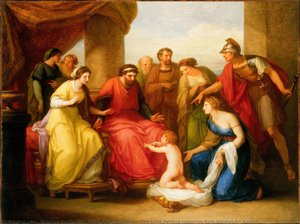
Priam Returning to His Family with the Dead Body of Hector


 Prečítať si viac
Kúpte si digitálnu snímku vo vysokom rozlíšení s vylepšenými detailmi, ktorá je oveľa kvalitnejšia než online náhľad.
Každý súbor starostlivo pripravujú naši interní špecialisti pomocou pokročilých nástrojov a odborného manuálneho retušovania. Zabezpečujeme, aby každý obrázok disponoval výnimočnou čistotou, presnou farebnou vernosťou a jemnými detailmi.
Konečný súbor vám bude doručený e-mailom do 72 hodín, optimalizovaný pre okamžité použitie v profesionálnom, redakčnom aj tlačovom prostredí. Ponúkame rovnakú kvalitu, ktorej dôverujú špičkové dizajnérske štúdiá, vydavateľstvá a galérie.
Digitálny obraz
Stiahnite si vysokorozlíšený súbor na osobné zobrazovanie, tlačenie a kreatívne projekty. ( Prepnúť na tlač Objednať ručne maľovanú reprodukciu)
Súčasťou každej objednávky digitálneho obrazu
Profesionálne digitálne doručenie, garantované
Keď si vyberiete AllPaintingsStore.com, nezískate len obyčajný obrázok – získate profesionálne upravené digitálne umenie, vytvorené s maximálnou precíznosťou a podložené zárukou vašej spokojnosti. Tu je všetko, čo je súčasťou vašej objednávky automaticky:

Rýchle doručenie e-mailom
Vaša vysokorozlíšená digitálna súprava obrázkov vám bude zaslaná e-mailom do 72 hodín od objednávky – pripravená na okamžité použitie.

Digitálny súbor s vylepšením AI
Vaše dielo je profesionálne optimalizované pomocou pokročilých nástrojov umelej inteligencie a manuálnej úpravy, čo zaručuje maximálnu mieru detailov, čistotu a presnosť farieb.

Bezplatné celoživotné opätovné doručenie
Súbor ste náhodou zmazali alebo ste ho stratili? Nebojte sa – kedykoľvek vám ho môžeme poslať znova, úplne bez poplatkov.

Bez poplatkov za dovoz – navždy
Užite si svoje umelodelo okamžite bez colných poplatkov, daní alebo nákladov na dopravu – digitálne stiahnutia sú vždy oslobodené od dane.

Garantovaná presnosť farieb
Pomocou profesionálnych nástrojov a farebného manažmentu zabezpečujeme, aby vaša digitálna fotografia čo najpresnejšie odrážala pôvodné farby.

Záruka spokojnosti 100 dní
Ak nebudete spokojní so svojím digitálnym obrázkom, upravíme ho alebo vám v priebehu 100 dní vrátime 100% – bez zbytočných otázok.

100% Záruka vrátenia peňazí
Nie ste spokojní? Získajte plnú náhradu platby do 100 dní od prijatia digitálneho súboru – bez zbytočných otázok.

Zľavy pri veľkom odbere
Pri kúpe 3 obrázkov získate zľavu 10% - Pri kúpe 5 obrázkov získate zľavu 15% - Pri kúpe 10+ obrázkov získate zľavu 20%. Ideálne pre kreatívne projekty, galérie a agentúry.
A Neoclassical Elegy of Grief and Honor
In the quiet, somber halls of art history, few works capture the intersection of personal tragedy and civic virtue as poignantly as John Trumbull’s 1785 masterpiece, Priam Returning to His Family with the Dead Body of Hector. This oil on canvas is not merely a depiction of a scene from Homer’s Iliad; it is a profound meditation on the heavy price of war and the enduring strength of familial bonds. As King Priam enters his devastated household, bearing the lifeless form of his beloved son Hector, the viewer is thrust into a moment of raw, monumental sorrow. Trumbull, an artist deeply attuned to the emotional weight of classical narratives, manages to transform a legendary moment of Trojan tragedy into a universal study of loss that resonates across centuries.
The painting’s technical execution is a masterclass in Neoclassical precision and dramatic lighting. Trumbull employs a sophisticated use of chiaroscuro, creating sharp, intentional contrasts between deep, enveloping shadows and brilliant highlights that dance across the central figures. This technique does more than provide depth; it directs the eye with surgical accuracy to the pallor of Hector’s skin and the weathered, anguished features of Priam. The artist’s brushwork, particularly in the heavy drapery and the textured surfaces of the architectural setting, utilizes subtle impasto to lend a palpable sense of physicality to the scene. Every fold of fabric and every shadow cast by the surrounding columns feels weighted with the gravity of the moment, inviting the observer to feel the very atmosphere of mourning.
Symbolism and the Spirit of an Era
Beyond its immediate emotional impact, the composition is steeped in the intellectual currents of the late 18th century. Trumbull utilizes a stable, pyramidal composition—a hallmark of Neoclassical design—to instill the scene with a sense of architectural dignity and permanence. This structural choice mirrors the grandeur of Roman temples, serving as a deliberate allusion to the republican ideals of honor, duty, and moral fortitude that were being championed during the American revolutionary era. For Trumbull, a man whose life was inextricably linked to the birth of a new nation, the themes of sacrifice and the consequences of conflict found in the Trojan War held a mirror to the contemporary struggles for liberty and the heavy responsibilities of leadership.
The symbolism within the work is both subtle and profound. The interplay between the organic, broken forms of the grieving figures and the rigid, geometric lines of the classical architecture creates a tension between human vulnerability and the enduring structures of civilization. For collectors and interior designers, this painting offers more than just aesthetic beauty; it provides a focal point of intellectual depth. It is a piece that commands attention through its narrative complexity, making it an ideal centerpiece for spaces designed to evoke contemplation, reverence, and a sophisticated appreciation for historical grandeur. To possess a reproduction of such a work is to bring a fragment of classical epic and revolutionary spirit into the modern home.
Súvisiace diela




Biografia umelca
A Life Etched in Revolution: The World of John Trumbull
John Trumbull, a name synonymous with the visual narrative of America’s birth, was more than just a painter; he was a witness, a soldier, and a chronicler of a nation forging its identity. Born in Lebanon, Connecticut, in 1756, into a family steeped in patriotic fervor – his father, Jonathan Trumbull, served as governor throughout the Revolutionary War – young John’s destiny seemed inextricably linked with the unfolding drama of independence. A childhood accident tragically robbed him of sight in one eye, yet this perceived limitation may have paradoxically honed his observational skills, contributing to the meticulous detail that would become a hallmark of his artistic style. His formative years at Harvard College instilled within him both intellectual curiosity and an appreciation for classical scholarship – disciplines that would inform his approach to art and history alike. Even before fully embracing his vocation as an artist, Trumbull’s life was already imbued with a sense of duty and service; sketching fortifications during the Siege of Boston – a prophetic gesture foreshadowing his future role in immortalizing the Revolution on canvas – demonstrated his early commitment to documenting significant historical events.From Battlefield to Brushstroke: Artistic Formation and Influences
The path to becoming “the Painter of the Revolution” wasn’t instantaneous. Initial financial constraints steered Trumbull toward diverse pursuits, but the irresistible allure of artistic expression ultimately prevailed. In 1780, he embarked on a transformative journey to London, seeking tutelage under Benjamin West, an American expatriate who had ascended to prominence as a history painter. Recognizing Trumbull’s considerable potential, West championed his focus on scenes from the War of Independence, advocating for smaller-scale works and miniature portraits – a pragmatic strategy that allowed Trumbull to refine his technique while cultivating a clientele eager to commission depictions of heroic figures and pivotal moments. Over the span of his prolific career, he produced approximately 250 miniatures, showcasing remarkable versatility and precision; each piece meticulously rendered with painstaking attention to detail and imbued with an understated elegance characteristic of West’s aesthetic sensibilities. However, West's influence extended beyond mere technique; he instilled in Trumbull a profound understanding of classical history painting – specifically the dramatic compositions and allegorical symbolism favored by artists such as Rubens and Rembrandt – inspiring him to elevate his own artistic endeavors to comparable heights. This fusion of historical accuracy and expressive artistry would define Trumbull’s mature style, shaping his approach to portraying monumental narratives with unwavering conviction.Immortalizing Independence: Masterpieces and Historical Significance
Trumbull's most enduring legacy resides in his monumental canvases that now adorn the Capitol Rotunda – a testament to his dedication to commemorating America’s struggle for liberty. The Declaration of Independence, arguably his magnum opus, stands as an unparalleled achievement of visual storytelling; it captures the solemn grandeur and palpable tension surrounding the signing ceremony with breathtaking fidelity. More than simply recording the event itself, Trumbull endeavored to convey its profound significance – the birth of a nation founded on ideals of self-governance and republican virtue. Famously, this painting found its place on the reverse of the two-dollar bill—a symbolic gesture cementing Trumbull’s enduring contribution to American iconography. Alongside *The Declaration*, he produced other notable works reflecting the spirit of the Revolution: The Surrender of Cornwallis at Yorktown, depicting the decisive victory that secured American independence; The Surrender of General Burgoyne, portraying another pivotal moment in the war effort; and George Washington Before Trenton, capturing a courageous act of defiance against overwhelming odds. Trumbull meticulously researched each scene—consulting with veterans and scrutinizing contemporary accounts—to ensure unwavering accuracy. His preparatory sketches—such as *Study for Surrender of Cornwallis at Yorktown*—reveal his methodical planning process and dedication to capturing the nuances of historical reality. In an era devoid of photographic documentation, Trumbull’s paintings served as invaluable visual records—shaping public understanding of the Revolution and its key figures—establishing him as a pioneer in the field of historical painting.A Lasting Legacy: Collections and Enduring Influence
John Trumbull's artistic legacy extends beyond his celebrated canvases; he championed the arts within America, serving as president of the American Academy of Fine Arts from 1816 to 1835—a role he undertook with unwavering commitment. His paintings are now housed in prestigious institutions across the nation—Yale University Art Gallery, the Smithsonian American Art Museum, and the Virginia Museum of Fine Arts—ensuring their accessibility for generations to come. The prominent display of his works within the United States Capitol serves as a poignant reminder of his devotion to both art and history—a testament to his enduring influence on American artistic culture. Trumbull’s meticulous attention to detail and dramatic composition established a precedent for future generations of American historical painters—inspiring them to strive for excellence in portraying monumental narratives with conviction and artistry. He passed away peacefully in 1843, leaving behind a body of work that continues to captivate audiences worldwide—a beacon of artistic achievement and a symbol of America’s formative years.
John Trumbull
1756 - 1843 , Nemecko
Rýchle fakty
- Artistic Movement Or Style: Historická maľba
- Artists Who Influenced This Artist: ['Benjamin West']
- Date Of Birth: 6. júna 1756
- Date Of Death: 1843
- Full Name: John Trumbull
- Nationality: Američan
- Notable Artworks:
- Vyhlásenie nezávislosti
- Kapitulácia Cornwallisa v Yorktone
- George Washington pred bitkou pri Trenton
- Place Of Birth: Lebanon, USA

