


 Náhľad
 Odoslať
 Zdieľať
 Podrobnosti o dielo

 Stiahnuť
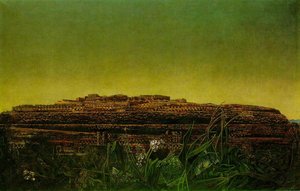
 Podobné diela
 RTG skúška
 Prezentácia
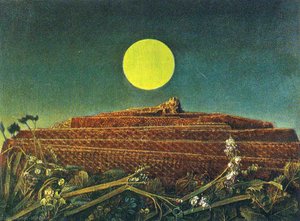
Sem Título
 Surrealism
 1982
1982 67.0 x 49.0 cm
 Muzeum Calouste Gulbenkiana
 Zobraziť viac
Giclée / Umenotlač
Giclée tlač alebo plátno múzeálnej kvality s rýchlou výrobou a flexibilnými možnosťami povrchovej úpravy. ( Prejsť na ručne maľovanú reprodukciu Prepnúť na obrázok)




































Vyberte si z našich preddefinovaných rozmerov, ktoré zodpovedajú pôvodným pomeroḿ diela.

Môžete zadať vlastné rozmery, aby sa reprodukcia prispôsobila konkrétnemu rámu alebo priestoru. Ak zvolená veľkosť nebude zodpovedať proporciám originálu, dielo buď orežeme, alebo obraz rozšírime pomocou zrkadlenia či farebného doplnenia okrajov. Pred začatím výroby vám pošleme digitálnu ukážku na schválenie.
Máte na vedomí, že náhľad na obrazovke neodzrkadľuje skutočné orezanie alebo rozšírenie. Len digitálna ukážka presne zobrazí finálnu kompozíciu.
Hoci sú k dispozícii vlastné rozmery, pre zachovanie pôvodných proporcií odporúčame vybrať si rozmer z vopred definovaného zoznamu.
Celosvetová doprava () do 2 týždňov namiesto štandardných 4/5 týždňov. (11 august)

Bezplatná expresná doprava po celom svete

Prémiové lnianske plátno

Kompletné poistenie prepravy

Záruka vrátenia colného poplatku

Záruka presného farebného zhodnutia

60-dňá politika vrátenia (iba pri defektoch)

100% záruka vrátenia peňazí

Výhodná množstevná zľava
 Možnosť skla je dostupná len pri rozmeroch pod 110 cm

Sem Título
Giclée / Umenotlač
Veľkosť reprodukcie
-


Celková cena za vybrané možnosti
$ 65
Podobné diela


Biografia umelca
Manuel Cargaleiro: A Pioneer of Geometric Ceramics and Painting
Manuel Cargaleiro (born 16 March 1927 in Vila Velha de Ródão, Portugal) was a prolific Portuguese artist who left an indelible mark on both ceramic art and painting. His artistic journey began as an autodidact—a self-taught individual—and he swiftly gained recognition for his distinctive approach to form and color, rooted in the principles of geometric abstraction and influenced by the groundbreaking École de Paris movement. Cargaleiro’s unwavering dedication to experimentation resulted in a captivating body of work that continues to inspire admiration within the art world.- Early Life & Artistic Beginnings: Cargaleiro's formative years were spent absorbing artistic ideas from his surroundings, primarily through observation and personal exploration. He honed his skills independently, mastering techniques that would later define his signature style. Notably, he became captivated by the art of azulejo—the decorative ceramic tiles characteristic of Portugal—a tradition dating back to Arab influence on Iberian Peninsula—demonstrating an early fascination with craftsmanship and visual storytelling.
- Influence of École de Paris: École de Paris, a collective of avant-garde artists active in Paris during the 1920s and 30s, profoundly impacted Cargaleiro’s artistic vision. Artists like Delaunay, Ernst, Vasarely, and Klee served as crucial mentors, introducing him to concepts of spatial dynamism and chromatic harmony—particularly the use of primary colors—that would permeate his compositions. These influences instilled in Cargaleiro a belief that art could communicate complex ideas through simplified geometric forms.
- Ceramic Innovation & Azulejo Mastery: Cargaleiro’s artistic prowess shone brightest in his ceramic creations, where he skillfully employed modular geometry and bold color palettes to produce stunning azulejos. He elevated the traditional Portuguese tile art form into a sophisticated medium for visual expression, pushing boundaries of design while honoring cultural heritage. His meticulous attention to detail and masterful manipulation of clay ensured that each piece resonated with both aesthetic beauty and structural integrity.
- Major Achievements & Recognition: Cargaleiro’s artistic accomplishments garnered considerable acclaim throughout his career. He received numerous awards and honors in Portugal, France, and Italy—a testament to the enduring quality of his work. Perhaps most notably, he conceived and executed a monumental fresco for the Champs-Élysées Métro station in Paris—a project that showcased his ability to transform public spaces into immersive artistic experiences. Furthermore, he established the Manuel Cargaleiro Museum in Castelo Branco and Ravello, furthering the dissemination of ceramic art and fostering dialogue between artists and audiences.
- Legacy & Historical Significance: Manuel Cargaleiro’s contribution to modern Portuguese art is undeniable. His pioneering use of geometric abstraction—combined with his mastery of azulejo—established him as a pivotal figure in shaping the visual landscape of the 20th century. He remains an inspiration for contemporary ceramic artists and painters alike, embodying the spirit of artistic independence and unwavering commitment to innovation.

Manuel Cargaleiro
1927 - , Portugal
Základné informácie
- Artistic Movement Or Style: Geometric abstraction
- Artists Or Movements Influenced By This Artist: ['École de Paris']
- Artists Who Influenced This Artist:
- Delaunay
- Ernst
- Vasarely
- Klee
- Date Of Birth: 1927
- Full Name: Manuel Cargaleiro
- Nationality: Portuguese
- Notable Artworks:
- Sem Título
- Estudo Raionista
- Paisagem do meu Jardim
- Place Of Birth: Vila Velha de Ródão, Portugal
Súvisiace články
Max Ernst: Top 25 diel surrealistického majstra pre váš domov | AllPaintingsStore
Ponorte sa do sveta Maxa Ernsta! Objavte top 25 diel surrealistického majstra – od Frottage po snové krajiny. Kúpiť reprodukcie obrazov online na AllPaintingsStore.com a doprajte si luxusný dekor do interiéru.

Monochromatické Majstrovské Diela: 10 Umeleckých Skvostov pre Váš Dom
Ponorte sa do sveta monochromatického umenia! Objavte 10 ikonických diel od Van Gogha, Rembrandta a ďalších majstrov. Inšpirujte sa minimalistickými obrazmi a nájdite perfektnú reprodukciu pre váš interiér na AllPaintingsStore.com.

Evolúcia abstraktného umenia: Sprievodca pre zberateľov o jeho dopade a investičnej hodnote
Sprievodca pre zberateľov abstraktného umenia. Objavte jeho históriu, kľúčové smery a investičný potenciál. Rady ako rozpoznať kvalitu a autenticitu.

Urban Visions: A Historical & Artistic Exploration of the Cityscape in Painting
Explore the evolution of cityscape painting from historical maps to Impressionist masterpieces. Discover artists like Caillebotte, Utrillo & Matsumoto Shunsuke. Find museum-quality reproductions at AllPaintingsStore.
Top 10 legendárnych leptov, ktoré zmenili umenie navždy | AllPaintingsStore
Objavte 10 legendárnych leptov od Rembrandta, Goya a ďalších majstrov. Prežite príbehy umenia, techniky a nadčasovej krásy. Reprodukcie obrazov pre váš interiér na AllPaintingsStore.com – múzejná kvalita a inšpirácia!



