

1964. Acrylic, 236.0 x 193.0 cm.

§ 1Katalogové údaje

- 236.0 x 193.0 cm


Toto dielo je chránené autorským právom
Umelecké dielo zobrazené na tejto stránke je chránené autorským zákonom, čo znamená, že nemôžeme legálne vytvárať ani predávať jeho identickú reprodukciu. Táto ochrana je vymáhaná na základe medzinárodných dohôd, ako napríklad Bernská konvencia a národnými zákonmi, vrátane tých, ktoré sú stanovené v Autorské právo USA – Title 17. Všetky práva vyhradené.
Ako rešpektujúca a legálna alternatíva ponúkame vlastné, ručne maľované diela inšpirované originálom. Naši skúsení a profesionálni umelci dôkladne študujú štýl, náladu a umelecký podnet originálu, aby vytvorili nové, jedinečné dielo, ktoré vyvoláva rovnaký pocit – pričom samo ostáva vlastným originálnym dielom.
Táto metóda plne dodržiava autorské práva, pretože nezahŕňa kopírovanie ani duplikovanie chráneného diela. Ide skôr o kreatívnu reinterpretáciu – nový obraz, ktorý je ovplybnený originálom, no nie je s ním identický.
 Zobraziť viac
§ 2Abstraktné
Popis zberateľského predmetu
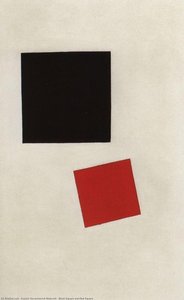
Experience Rothko’s monumental No. 6, a captivating exploration of color and form from the mid-century abstract expressionist movement. This striking brown square floats against a canvas backdrop, embodying profound contemplation and inviting viewers to immerse themselves in its timeless beauty.
Biografia umelca
Pozrite si ikonické Color Field maľby Marka Rothka – abstraktné výtvory vyjadrujúce hlboké emócie a filozofický základ. Obrazárske diela svetového významu!
§ 3Komentár
The Weight of Absence: Exploring Mark Rothko’s No. 6 (?)
Mark Rothko's "No. 6 (?)" stands as a cornerstone of Abstract Expressionism, embodying the profound anxieties and contemplative spirit that defined its era. Painted in 1964, this deceptively simple canvas—measuring 236 x 193 cm—commands attention not through vibrant hues or intricate detail but through an arresting stillness achieved via masterful color orchestration. The painting’s core is a monumental black square positioned centrally on a muted brown background, creating an illusion of depth and inviting prolonged observation. This seemingly austere composition belies a complex tapestry of artistic intention and historical significance.- Style & Technique: Rothko's approach to painting—often termed “color field”—rejected representational imagery altogether. Instead, he prioritized pure color as expressive language, layering thin washes of pigment onto the canvas to build up hazy blocks of color that bleed into one another. This technique deliberately obscures boundaries between hues, fostering a meditative experience for the viewer and prioritizing emotional resonance over visual accuracy.
- Historical Context: The painting emerged during the height of Abstract Expressionism, a movement born from the aftermath of World War II and fueled by disillusionment with Western civilization. Artists like Rothko sought to grapple with existential questions—the nature of consciousness, mortality, and the human condition—through non-figurative art forms.
- Color Symbolism: The dominant brown hue is interpreted as representing earthiness, stability, and perhaps even a subconscious yearning for connection. Simultaneously, it serves as a grounding element against which the stark black square asserts its presence. This juxtaposition speaks to themes of darkness and light—not merely illumination but also shadow—reflecting Rothko’s preoccupation with confronting uncomfortable truths.
- Emotional Impact: Viewing “No. 6 (?)” is intended to be a visceral experience, prompting contemplation rather than judgment. The square's ambiguous form encourages viewers to project their own emotions and interpretations onto the canvas, fostering a dialogue between art and psyche. Rothko famously described his paintings as "windows into eternity," aiming to evoke feelings of awe and transcendence.
A Legacy of Quiet Intensity
Rothko’s artistic vision was deeply rooted in his personal history—his displacement from Latvia, the loss of his father, and the challenges of adapting to a new culture. These experiences instilled within him a profound sensitivity to suffering and fueled his relentless pursuit of artistic truth. “No. 6 (?)” embodies this ethos perfectly: it’s not merely a painting; it's an embodiment of introspection and a testament to the power of art to communicate unspoken emotions.Reproductions for Inspiration
AllPaintingsStore.com offers exceptional reproductions of Mark Rothko’s “No. 6 (?),” meticulously crafted to capture the essence of the original artwork. Utilizing archival-quality pigments and printing methods, our reproductions faithfully reproduce the subtle tonal variations and textural nuances that characterize Rothko's distinctive style. Whether adorning a gallery wall or enriching your home interior, these reproductions provide an opportunity to engage with one of the most influential paintings of the 20th century—a piece that continues to resonate with audiences worldwide.Otázky a odpovede
Aká je luminancia diela „No. 6 (?)“ od Mark Rothko?
Dielo „No. 6 (?)“ od Mark Rothko má luminanciu na úrovni Dark. Luminancia určuje, koľko svetla sa farbám podmieňuje odrážať.
Do ktorého obdobia tvorby Mark Rothko patrí dielo „No. 6 (?)“?
"No. 6 (?)" predstavuje Mature umelca Mark Rothko.
Čo zobrazuje „No. 6 (?)“ od Mark Rothko?
Predmetmi diela „No. 6 (?)“ sú color field, square, canvas, emotion, silence, minimalism, rothko.




 Prepnúť na tlač


 V prípade umeleckých diel alebo reprodukcií, ktorých ktorákoľvek strana je väčšia ako 105 cm (cca 41 palcov), sa rám dodáva v rozloženom stave ako sada. Táto metóda zabezpečuje bezpečnú доставu a chráni pred poškodením počas prepravy.




