

Acrylic On Canvas.
§ 1Katalogové údaje


Toto dielo je chránené autorským právom
Umelecké dielo zobrazené na tejto stránke je chránené autorským zákonom, čo znamená, že nemôžeme legálne vytvárať ani predávať jeho identickú reprodukciu. Táto ochrana je vymáhaná na základe medzinárodných dohôd, ako napríklad Bernská konvencia a národnými zákonmi, vrátane tých, ktoré sú stanovené v Autorské právo USA – Title 17. Všetky práva vyhradené.
Ako rešpektujúca a legálna alternatíva ponúkame vlastné, ručne maľované diela inšpirované originálom. Naši skúsení a profesionálni umelci dôkladne študujú štýl, náladu a umelecký podnet originálu, aby vytvorili nové, jedinečné dielo, ktoré vyvoláva rovnaký pocit – pričom samo ostáva vlastným originálnym dielom.
Táto metóda plne dodržiava autorské práva, pretože nezahŕňa kopírovanie ani duplikovanie chráneného diela. Ide skôr o kreatívnu reinterpretáciu – nový obraz, ktorý je ovplybnený originálom, no nie je s ním identický.
 Zobraziť viac
§ 2Abstraktné
Popis zberateľského predmetu
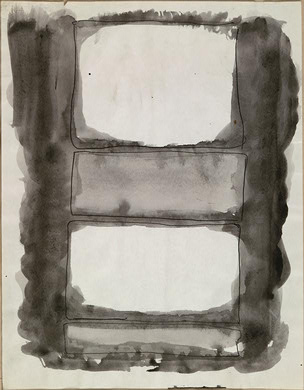
Explore Mark Rothko’s Untitled 126 – a minimalist masterpiece of stacked frames & subtle tonal variations. Abstract Expressionism at its finest! #Rothko #AbstractArt
Biografia umelca
Pozrite si ikonické Color Field maľby Marka Rothka – abstraktné výtvory vyjadrujúce hlboké emócie a filozofický základ. Obrazárske diela svetového významu!
§ 3Komentár
The Essence of Minimalism: An Exploration of Color and Form
Mark Rothko's "Untitled 126" isn't a painting that shouts for attention; it’s an invitation to pause, to breathe, and to contemplate. Born in 1903 amidst the turbulent backdrop of Tsarist Russia and later navigating the complexities of American assimilation, Rothko’s life profoundly shaped his artistic vision – a relentless pursuit of emotional resonance through pure color. This particular work, created around 1968, exemplifies his mature style: a masterful distillation of abstract expressionism, reduced to its most elemental components. The piece presents three rectangular frames stacked vertically, each containing a vast expanse of white space punctuated by subtle tonal variations. These aren’t merely blank canvases; they are carefully orchestrated fields of color – delicate washes of pink, green, and red that seem to bleed into one another, creating an illusion of depth and shadow without the need for traditional perspective.
The influence of watercolor and ink is palpable in the loose, fluid lines and uneven application of paint. Rothko deliberately eschewed precise representation, opting instead for a gestural approach – a sense of movement and spontaneity captured on the canvas. The deliberate lack of sharp edges and defined forms contributes to the painting’s ethereal quality, inviting viewers to lose themselves within its chromatic depths. It's a testament to his belief that color itself could evoke profound emotional responses, bypassing the need for narrative or recognizable imagery.
Technique and Materials: A Dance with Wet-on-Wet
The painting’s remarkable texture is achieved through a technique known as “wet-on-wet,” where colors are applied to a still-damp surface, allowing them to blend and merge organically. This process results in soft edges, hazy transitions, and an overall sense of atmospheric depth. Rothko utilized watercolor paper, likely diluted with water to achieve the desired transparency and luminosity. The irregular edges of the frames further enhance this informal aesthetic, suggesting a deliberate rejection of rigid boundaries and a celebration of imperfection. The subtle shifts in tone – the almost imperceptible gradients within each rectangular field – are achieved through meticulous layering and blending, creating an illusion of movement and light that seems to emanate from within the painting itself.
Rothko’s Legacy: Existentialism and the Search for Meaning
Understanding Rothko requires acknowledging his deeply personal journey. His early life in Latvia, marked by displacement and loss – including the death of his father – instilled a profound sensitivity to human suffering. This experience resonated throughout his oeuvre, informing his exploration of existential themes such as mortality, trauma, and the search for meaning. "Untitled 126," while devoid of explicit symbolism, embodies this underlying emotional current. The painting’s quiet contemplation invites viewers to confront their own anxieties about existence, offering a space for introspection and perhaps even a sense of solace. It's not a painting that provides answers; rather, it poses questions – prompting us to consider our place in the universe and the nature of human experience.
A Reproduction Worthy of Display: Bringing Rothko’s Vision Home
AllPaintingsStore offers meticulously crafted hand-painted reproductions of "Untitled 126," allowing you to bring this iconic work into your own space. Our skilled artisans replicate Rothko's unique technique with the utmost care, capturing not only the colors and forms but also the subtle textures and atmospheric depth that define the painting’s power. Whether displayed in a minimalist gallery or a serene living room, this reproduction serves as a constant reminder of Rothko’s profound exploration of color, form, and emotion – a timeless testament to the enduring beauty of abstract art. Consider it an investment not just in a piece of art, but in a moment of quiet contemplation.
Otázky a odpovede
Je Mark Rothko, autor diela „Untitled 126“, známy aj pod inými menami?
Mark Rothko je známy aj pod menom Marcus Rothkowitz.
Na čo sa odporúča použiť tlač obrazu „Untitled 126"?
Odporúčaným použitím vytlačenej verzie diela „Untitled 126“ je Reflective.
Akým množstvom svetla sa zdá odrážať farby diela „Untitled 126"]?
Farby diela „Untitled 126“ vykazujú Bright Balance luminanciu.


 Prepnúť na tlač


 V prípade umeleckých diel alebo reprodukcií, ktorých ktorákoľvek strana je väčšia ako 105 cm (cca 41 palcov), sa rám dodáva v rozloženom stave ako sada. Táto metóda zabezpečuje bezpečnú доставu a chráni pred poškodením počas prepravy.


