

Acrylic On Canvas.

§ 1Catalogue data

Toto dielo je chránené autorským právom
Umelecké dielo zobrazené na tejto stránke je chránené autorským zákonom, čo znamená, že nemôžeme legálne vytvárať ani predávať jeho identickú reprodukciu. Táto ochrana je vymáhaná na základe medzinárodných dohôd, ako napríklad Bernská konvencia a národnými zákonmi, vrátane tých, ktoré sú stanovené v Autorské právo USA – Title 17. Všetky práva vyhradené.
Ako rešpektujúca a legálna alternatíva ponúkame vlastné, ručne maľované diela inšpirované originálom. Naši skúsení a profesionálni umelci dôkladne študujú štýl, náladu a umelecký podnet originálu, aby vytvorili nové, jedinečné dielo, ktoré vyvoláva rovnaký pocit – pričom samo ostáva vlastným originálnym dielom.
Táto metóda plne dodržiava autorské práva, pretože nezahŕňa kopírovanie ani duplikovanie chráneného diela. Ide skôr o kreatívnu reinterpretáciu – nový obraz, ktorý je ovplybnený originálom, no nie je s ním identický.
 Zobraziť viac
§ 2Abstract
Popis zberateľského predmetu
Explore Mark Rothko's Untitled 127 – an iconic abstract expressionist painting brimming with layered color and profound emotion. Discover its history, techniques & lasting impact on art.
Biografia umelca
Pozrite si ikonické Color Field maľby Marka Rothka – abstraktné výtvory vyjadrujúce hlboké emócie a filozofický základ. Obrazárske diela svetového významu!
§ 3Commentary
The Genesis of a Silent Dialogue
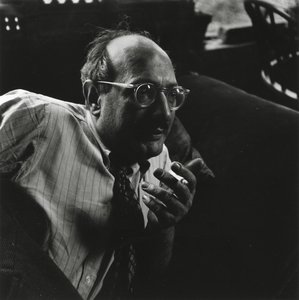
Mark Rothko's "Untitled 127," a deceptively simple black and white photograph capturing an oil-on-canvas painting, isn’t merely a depiction of color; it’s an invitation to a profound, almost unsettling, dialogue with the viewer. Born in 1903 in Dvinsk, Latvia – a landscape etched by displacement and historical upheaval – Rothko's early life profoundly shaped his artistic vision. The anxieties of a Jewish family amidst political unrest instilled within him a sensitivity to human suffering, a theme that would become a recurring motif throughout his oeuvre. This sense of unease, coupled with the trauma of his father’s death shortly after the family’s immigration to Portland, Oregon in 1913, fueled an exploration of existential themes – mortality, loss, and the persistent search for meaning within a seemingly indifferent universe. The photograph itself, stripped of color, forces us to confront the raw emotionality of Rothko's work, highlighting the interplay of light and shadow, form and void that defines his signature style.
Deconstructing Abstraction: Form and Feeling
At first glance, "Untitled 127" presents a deceptively straightforward composition: a large square dominated by a darker central area, encircled by lighter zones. However, closer inspection reveals a complex interplay of smaller squares within this core, creating an intricate pattern that subtly deepens the sense of spatial depth. Rothko’s technique is characterized by its deliberate simplicity and profound restraint. He eschewed overt gestures or brushstrokes, opting instead for thin layers of oil paint applied to canvas – sometimes almost translucent – to create fields of color that seem to vibrate with an inner light. The photograph expertly captures this delicate layering, revealing the subtle gradations of tone and texture that are crucial to understanding Rothko’s approach. The use of black as a dominant element isn't simply about darkness; it represents a void, a space for contemplation, a reflection on the unknown.
Rothko Chapel: A Spiritual Resonance
Understanding Rothko requires considering his broader artistic context and particularly his involvement with the Rothko Chapel in Houston, Texas. Commissioned by John and Dominique de Menil, the chapel was designed to be a space for meditation and reflection, mirroring the emotional intensity of Rothko’s paintings. The fourteen murals within the chapel – including variations on “Untitled 127” – are intended to evoke a sense of awe and spiritual connection. The Chapel's architecture itself—an octagon inscribed in a Greek cross—was heavily influenced by Rothko’s vision, creating an environment that amplifies the contemplative power of his work. The chapel served as a crucial testing ground for Rothko’s ideas about color and form, demonstrating how these elements could be used to communicate profound emotional truths without resorting to representational imagery.
The Enduring Legacy: A Window into the Human Condition
“Untitled 127,” whether viewed as a photograph or the original painting, remains a powerfully evocative work. It’s not about depicting a specific scene or object; it's about conveying an emotional state – a sense of longing, vulnerability, and perhaps even transcendence. Rothko believed that his paintings could act as “windows” into the soul, offering viewers a glimpse beyond the surface of reality. The stark simplicity of the composition, combined with the subtle shifts in color and tone, creates a space for individual interpretation and emotional resonance. Reproductions of this piece offer an accessible way to experience Rothko’s profound vision, bringing his exploration of existential themes into any setting – from a contemplative gallery space to a carefully considered interior design.
Otázky a odpovede
Aká je vnímaná svetlostnosť diela „Untitled 127“ od Mark Rothko?
Z hľadiska vnímanej jasnosti je „Untitled 127“ od Mark Rothko bright.
Ako sa dielo „Untitled 127“ zapísalo do tém a štýlu umelca Mark Rothko?
V rámci tvorby umelca Mark Rothko sa dielo „Untitled 127“ radí do štýlu Abstract Expressionism, pričom sprevádzajú ho témy ako lived experience, trauma, existentialism, jewish identity, displacement, loss, color as emotion, spiritual depth.
Je k dispozícii vysokorozlíšiteľné stiahnutie diela „Untitled 127“?
„Untitled 127“ je k dispozícii ako stiahnutie digitálneho obrázka vo vysokom rozlíšení, ktorý si môžete zakúpiť priamo na jeho stránke Digitálna fotografia.


 Prepnúť na tlač


 V prípade umeleckých diel alebo reprodukcií, ktorých ktorákoľvek strana je väčšia ako 105 cm (cca 41 palcov), sa rám dodáva v rozloženom stave ako sada. Táto metóda zabezpečuje bezpečnú доставu a chráni pred poškodením počas prepravy.


