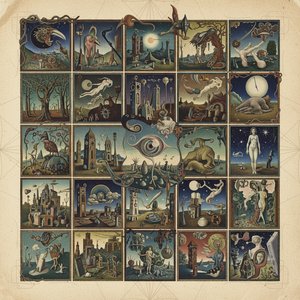
Acrylic On Canvas.

§ 1Katalogové údaje

Toto dielo je chránené autorským právom
Umelecké dielo zobrazené na tejto stránke je chránené autorským zákonom, čo znamená, že nemôžeme legálne vytvárať ani predávať jeho identickú reprodukciu. Táto ochrana je vymáhaná na základe medzinárodných dohôd, ako napríklad Bernská konvencia a národnými zákonmi, vrátane tých, ktoré sú stanovené v Autorské právo USA – Title 17. Všetky práva vyhradené.
Ako rešpektujúca a legálna alternatíva ponúkame vlastné, ručne maľované diela inšpirované originálom. Naši skúsení a profesionálni umelci dôkladne študujú štýl, náladu a umelecký podnet originálu, aby vytvorili nové, jedinečné dielo, ktoré vyvoláva rovnaký pocit – pričom samo ostáva vlastným originálnym dielom.
Táto metóda plne dodržiava autorské práva, pretože nezahŕňa kopírovanie ani duplikovanie chráneného diela. Ide skôr o kreatívnu reinterpretáciu – nový obraz, ktorý je ovplybnený originálom, no nie je s ním identický.
 Zobraziť viac
§ 2Abstraktné
Popis zberateľského predmetu
{ "meta_description": "Explore Max Ernst’s surreal masterpiece ‘Muschelblumen,’ featuring two shells against a stark black backdrop—a captivating blend of texture and color reflecting Ernst’s philosophical explorations.", "json_answer": "" }
Biografia umelca
Max Ernst (1891-1976): Nemecký surrealista, známy technikami frotáž, gratáž a koláž. Jeho diela zobrazujú sny, podvedomie a psychologické témy. #MaxErnst #Surrealizmus #Dada
§ 3Komentár
A Surreal Encounter: Exploring Max Ernst’s Muschelblumen
The painting “Muschelblumen” – German for “Shell Flowers” – presents a deceptively simple visual tableau: two seashells resting against a stark black backdrop. Yet, beneath this minimalist surface lies a complex tapestry of artistic intention and symbolic resonance, reflecting the core tenets of Surrealist thought and Max Ernst’s distinctive creative process. It's a piece that invites contemplation and rewards careful observation, offering more than just an aesthetic pleasure; it speaks to profound questions about perception and imagination.The Style and Technique: Dada Roots Revisited
Ernst’s approach to “Muschelblumen” firmly anchors itself within the Dada movement, which emerged in Zurich during World War I as a defiant reaction against rationalism and bourgeois values. Dada artists deliberately rejected traditional artistic conventions, prioritizing spontaneity and chance encounters—a principle vividly embodied in Ernst's technique. He employed a mixed media approach, combining oil paint with collage elements – specifically fragments of paper and fabric – meticulously adhered to the canvas. This layering creates textural depth and disrupts any illusion of photographic realism, mirroring the Dada ethos of undermining accepted truths. The deliberate imperfection is not merely accidental; it’s an active assertion of artistic freedom.Historical Context: Trauma and Transformation
Understanding “Muschelblumen” requires acknowledging the turbulent backdrop of its creation. Ernst experienced considerable personal trauma during the war years – his brother perished in action – profoundly impacting his psychological landscape. Surrealism, born from this collective anxiety and disillusionment, sought to liberate the subconscious mind from the constraints of logic and reason. Artists like Ernst aimed to tap into dreamlike states and explore irrational impulses as pathways to artistic expression. The black background serves not only as a visual anchor but also symbolically represents darkness, grief, and the confrontation with existential anxieties – themes prevalent in Surrealist art during this period.Symbolism: Blossoming from Darkness
The juxtaposition of seashells and flowers is laden with symbolic significance. Shells traditionally represent protection, resilience, and rebirth—symbols that resonate powerfully against the stark blackness of the canvas. Ernst’s choice to depict flowers emerging from these shells speaks to an optimistic counterpoint – a suggestion that beauty and vitality can arise even amidst suffering and despair. The blue accents within the seashells further amplify this symbolism, evoking tranquility and serenity while simultaneously hinting at hidden depths. It's a visual paradox designed to stimulate the viewer’s imagination and provoke introspection.Emotional Impact: A Quiet Revelation
“Muschelblumen” isn’t an artwork that shouts its message; rather, it whispers it—a subtle yet insistent invitation to consider the transformative power of confronting darkness with creativity. The painting's understated elegance encourages a meditative gaze, prompting viewers to contemplate themes of vulnerability, perseverance, and the enduring beauty found in unexpected places. It exemplifies Ernst’s belief that art should unsettle conventions and illuminate hidden truths – leaving an indelible impression on anyone who engages with its contemplative spirit.Otázky a odpovede
Prečo je autorskoprávny status diela „Muschelblumen“ taký, aký je?
Autorské práva k dielu „Muschelblumen“ – stále chránené autorským právom – vyplývajú zo smrti umelca v roku 1976.
Je k dispozícii prezentácia pre „Muschelblumen“ od Max Ernst?
K dispozícii je diaporama: stránka Prehliadanie diela diela „Muschelblumen“ od Max Ernst.
Aká farba dominuje v kompozícii diela „Muschelblumen“ od Max Ernst?
Dominantnou farbou diela „Muschelblumen“ od Max Ernst je Putty (#dedbcc).


 Prepnúť na tlač


 V prípade umeleckých diel alebo reprodukcií, ktorých ktorákoľvek strana je väčšia ako 105 cm (cca 41 palcov), sa rám dodáva v rozloženom stave ako sada. Táto metóda zabezpečuje bezpečnú доставu a chráni pred poškodením počas prepravy.