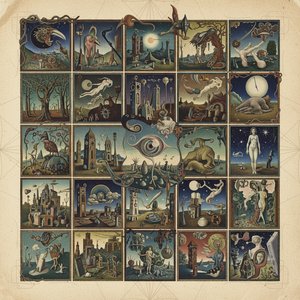
1920. Acrylic, 25.0 x 18.0 cm.

§ 1Katalogové údaje

- 25.0 x 18.0 cm


Toto dielo je chránené autorským právom
Umelecké dielo zobrazené na tejto stránke je chránené autorským zákonom, čo znamená, že nemôžeme legálne vytvárať ani predávať jeho identickú reprodukciu. Táto ochrana je vymáhaná na základe medzinárodných dohôd, ako napríklad Bernská konvencia a národnými zákonmi, vrátane tých, ktoré sú stanovené v Autorské právo USA – Title 17. Všetky práva vyhradené.
Ako rešpektujúca a legálna alternatíva ponúkame vlastné, ručne maľované diela inšpirované originálom. Naši skúsení a profesionálni umelci dôkladne študujú štýl, náladu a umelecký podnet originálu, aby vytvorili nové, jedinečné dielo, ktoré vyvoláva rovnaký pocit – pričom samo ostáva vlastným originálnym dielom.
Táto metóda plne dodržiava autorské práva, pretože nezahŕňa kopírovanie ani duplikovanie chráneného diela. Ide skôr o kreatívnu reinterpretáciu – nový obraz, ktorý je ovplybnený originálom, no nie je s ním identický.
 Zobraziť viac
§ 2Abstraktné
Popis zberateľského predmetu
Max Ernst’s surrealist masterpiece ‘Pleiades’ captures a mesmerizing woman submerged in the ocean depths, adorned with a bird symbolizing freedom and contemplation—a striking visual testament to his intellectual exploration of psychology and art history.
Biografia umelca
Max Ernst (1891-1976): Nemecký surrealista, známy technikami frotáž, gratáž a koláž. Jeho diela zobrazujú sny, podvedomie a psychologické témy. #MaxErnst #Surrealizmus #Dada
§ 3Komentár
A Vision of Mythic Femininity: Exploring Max Ernst’s “Pleiades”
The painting "Pleiades," created by German Surrealist artist Max Ernst in 1920, transcends mere visual representation; it's a deliberate invocation of myth and psychology, meticulously crafted to unsettle the viewer and provoke contemplation. Measuring 25 x 18 cm, this artwork embodies Ernst’s signature approach – blending disparate elements into a cohesive dreamscape that speaks volumes about the anxieties and aspirations of its time.- Subject Matter: At first glance, “Pleiades” presents a woman bathed in an ethereal glow, her head tilted back as if gazing upwards towards the heavens. This posture immediately establishes a connection to classical mythology, referencing the Pleiades – seven sisters of Greek legend who are said to guide sailors across turbulent seas. The woman’s nudity symbolizes vulnerability and purity, juxtaposed against the presence of a bird perched on her shoulder—a motif frequently employed by Ernst to represent freedom and instinct.
- Style & Technique: Ernst's Surrealist style is characterized by automatism – a technique he pioneered alongside André Breton – where artists attempt to bypass conscious thought and tap into the subconscious mind. This is evident in the collage-like construction of “Pleiades,” incorporating meticulously arranged rocks, fish, and other aquatic creatures. The artist utilized oil paint on canvas, applying it with textured brushstrokes that contribute to the painting’s palpable atmosphere.
Historical Context: Surrealism's Response to Trauma
The creation of “Pleiades” occurred during a period marked by profound upheaval – the aftermath of World War I and the burgeoning influence of psychoanalysis spearheaded by Sigmund Freud. Surrealist artists sought to liberate art from rational constraints, exploring irrationality, dreams, and repressed desires as pathways to artistic expression. Ernst’s preoccupation with mythology reflects this broader intellectual movement's fascination with archetypal narratives and their ability to illuminate the human psyche.
Symbolism Beyond Representation
Beyond its immediate visual elements, “Pleiades” is laden with symbolic significance. The bird symbolizes aspiration and transcendence, mirroring the Pleiades’ celestial journey. The woman's gaze upward suggests a yearning for spiritual enlightenment—a desire to escape the limitations of earthly existence. Furthermore, the rocks represent stability amidst chaos, grounding the ethereal figures within a tangible realm.
Emotional Impact & Artistic Legacy
"Pleiades" isn’t merely aesthetically pleasing; it's designed to elicit an emotional response from the viewer. Ernst’s masterful manipulation of color and texture creates a sense of unease and wonder, inviting contemplation on themes of femininity, mythology, and the subconscious mind. It remains a cornerstone of Surrealist art history, demonstrating Ernst’s ability to distill complex psychological ideas into striking visual imagery—a testament to his enduring influence on subsequent generations of artists.
Otázky a odpovede
Je dielo „Pleiades“ celkovým ponorom skôr svetlé alebo tmavé?
„Pleiades“ má celkovú jasnosť bright a jeho luminanciu predstavuje Gentle Luminance.
Pod akými inými menami alebo pseudonymami je známy/á Max Ernst?
Max Ernst je známy aj pod menom Maximilián Maria Ernst.
Je k dispozícii vysokorozlíšiteľné stiahnutie diela „Pleiades“?
„Pleiades“ je k dispozícii ako stiahnutie digitálneho obrázka vo vysokom rozlíšení, ktorý si môžete zakúpiť priamo na jeho stránke Digitálna fotografia.



 Prepnúť na tlač


 V prípade umeleckých diel alebo reprodukcií, ktorých ktorákoľvek strana je väčšia ako 105 cm (cca 41 palcov), sa rám dodáva v rozloženom stave ako sada. Táto metóda zabezpečuje bezpečnú доставu a chráni pred poškodením počas prepravy.