Oil On Canvas.

§ 1Catalogue data


Toto dielo je chránené autorským právom
Umelecké dielo zobrazené na tejto stránke je chránené autorským zákonom, čo znamená, že nemôžeme legálne vytvárať ani predávať jeho identickú reprodukciu. Táto ochrana je vymáhaná na základe medzinárodných dohôd, ako napríklad Bernská konvencia a národnými zákonmi, vrátane tých, ktoré sú stanovené v Autorské právo USA – Title 17. Všetky práva vyhradené.
Ako rešpektujúca a legálna alternatíva ponúkame vlastné, ručne maľované diela inšpirované originálom. Naši skúsení a profesionálni umelci dôkladne študujú štýl, náladu a umelecký podnet originálu, aby vytvorili nové, jedinečné dielo, ktoré vyvoláva rovnaký pocit – pričom samo ostáva vlastným originálnym dielom.
Táto metóda plne dodržiava autorské práva, pretože nezahŕňa kopírovanie ani duplikovanie chráneného diela. Ide skôr o kreatívnu reinterpretáciu – nový obraz, ktorý je ovplybnený originálom, no nie je s ním identický.
 Zobraziť viac
§ 2Abstract
Popis zberateľského predmetu
Max Ernst’s ‘Two Birds’ is a surrealist vision of contemplation and disruption, featuring frottage textures and a playful sports ball amidst observing birds. Explore this iconic 1920s artwork and bring its dreamlike beauty into your space.
Biografia umelca
Max Ernst (1891-1976): Nemecký surrealista, známy technikami frotáž, gratáž a koláž. Jeho diela zobrazujú sny, podvedomie a psychologické témy. #MaxErnst #Surrealizmus #Dada
§ 3Commentary
A Vision of Paradox: Examining Max Ernst’s “Two Birds”
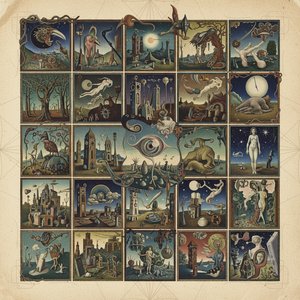
Max Ernst's "Two Birds" stands as a quintessential example of Surrealist exploration—a painting that simultaneously captures the beauty of nature and unsettles with its dreamlike logic. Executed sometime in the mid-1920s, this artwork embodies Ernst’s fascination with automatism, a technique he championed alongside André Breton and other Dada artists, aiming to bypass conscious thought and tap into subconscious impulses. The image depicts two birds perched on what appears to be earth—one bird gazing upwards at the other, creating an immediate visual dialogue that speaks volumes about observation and contemplation. Scattered around them are three additional birds: one positioned on the left side of the canvas, another near the upper right corner, and a third nestled at the bottom right. Adding to this avian tableau is a solitary sports ball centrally placed, subtly introducing an element of playful disruption against the serene backdrop.Style and Technique: Embracing Automatism
Ernst’s masterful application of frottage—a technique involving rubbing textured surfaces onto paper—is evident throughout “Two Birds.” This process deliberately obscures linear perspective and introduces accidental patterns, mirroring the unpredictable nature of dreams and fostering a sense of spontaneity. The painting utilizes oil paints on canvas, allowing for rich tonal gradations that heighten the impressionistic quality of the scene. Ernst’s meticulous layering of colors contributes to an ethereal atmosphere—a deliberate departure from representational accuracy in favor of conveying emotional resonance. The muted palette emphasizes the stillness of the landscape and underscores the birds' quiet contemplation.Historical Context: Dada and Surrealism – A Rebellion Against Reason
“Two Birds” emerged during the turbulent years following World War I, coinciding with the rise of Dada and Surrealism—movements born out of disillusionment with bourgeois values and a fervent desire to challenge artistic conventions. Dada artists rejected logic and rationality, embracing absurdity and chance as tools for critique. Surrealists, influenced by Sigmund Freud’s psychoanalytic theories, sought to liberate the unconscious mind and explore its hidden depths. Ernst's work aligns perfectly with these intellectual currents, reflecting a broader preoccupation with anxieties surrounding societal upheaval and the exploration of psychological landscapes. The painting serves as a visual manifestation of this rebellious spirit—a refusal to accept simplistic interpretations of reality.Symbolism: Birds as Embodiments of Desire and Transformation
Birds have long held symbolic significance across cultures, representing freedom, aspiration, and spiritual transcendence. In “Two Birds,” the upward gaze of one bird can be interpreted as a yearning for something beyond immediate perception—a desire for knowledge or enlightenment. Simultaneously, it speaks to the interconnectedness of existence, mirroring the relationship between two individuals seeking understanding. The presence of multiple birds reinforces this theme, suggesting that beauty and contemplation coexist within a complex universe. Furthermore, the sports ball introduces an element of dynamism and potential conflict, hinting at underlying tensions—perhaps representing the struggle for balance between serenity and action.Emotional Impact: A Quiet Reflection on Observation
Ultimately, “Two Birds” transcends mere visual representation; it evokes a profound emotional response. The painting’s stillness invites contemplation—encouraging viewers to consider themes of solitude, perception, and the beauty found in simple moments. Ernst's masterful use of color and texture creates an immersive experience that captures the essence of Surrealist art—a realm where logic yields to intuition and dreams illuminate reality. This artwork remains a testament to Ernst’s ability to distill complex psychological ideas into a deceptively serene visual composition, leaving audiences captivated by its understated elegance and enduring power.Otázky a odpovede
Akou technikou je vytvorené „Two birds“?
Max Ernst pre dielo „Two birds“ použil/a techniku Oil On Canvas. Táto technika definuje materiálnu podstatu originálneho diela.
Ktorá farba v diele „Two birds“ najvýraznejšie vyniká?
Najvýraznejšou farbou v diele „Two birds“ je Driftwood (#b27d49). Dominantná farba je užitočná pri prispôsobovaní umelackého diela interiéru.
Z akých krajín pochádzajú návštevníci diela „Two birds“ od Max Ernst?
Štatistiky k dielu „Two birds“ od Max Ernst nájdete na jeho stránke Štatistiky: zahŕňajú mesačné návštevy diela, návštevnosť prác daného umelca a rozdelenie nedávnych návštevníkov podľa krajín a jazykov.


 Prepnúť na tlač


 V prípade umeleckých diel alebo reprodukcií, ktorých ktorákoľvek strana je väčšia ako 105 cm (cca 41 palcov), sa rám dodáva v rozloženom stave ako sada. Táto metóda zabezpečuje bezpečnú доставu a chráni pred poškodením počas prepravy.