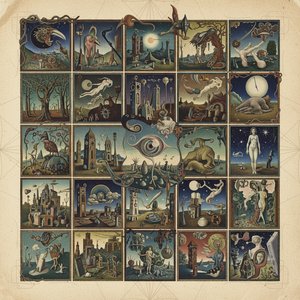
Oil On Canvas.

§ 1Katalogové údaje


Toto dielo je chránené autorským právom
Umelecké dielo zobrazené na tejto stránke je chránené autorským zákonom, čo znamená, že nemôžeme legálne vytvárať ani predávať jeho identickú reprodukciu. Táto ochrana je vymáhaná na základe medzinárodných dohôd, ako napríklad Bernská konvencia a národnými zákonmi, vrátane tých, ktoré sú stanovené v Autorské právo USA – Title 17. Všetky práva vyhradené.
Ako rešpektujúca a legálna alternatíva ponúkame vlastné, ručne maľované diela inšpirované originálom. Naši skúsení a profesionálni umelci dôkladne študujú štýl, náladu a umelecký podnet originálu, aby vytvorili nové, jedinečné dielo, ktoré vyvoláva rovnaký pocit – pričom samo ostáva vlastným originálnym dielom.
Táto metóda plne dodržiava autorské práva, pretože nezahŕňa kopírovanie ani duplikovanie chráneného diela. Ide skôr o kreatívnu reinterpretáciu – nový obraz, ktorý je ovplybnený originálom, no nie je s ním identický.
 Zobraziť viac
§ 2Abstraktné
Popis zberateľského predmetu
A colossal red vase with a human face dominates this surrealist masterpiece by Max Ernst, capturing the unsettling spirit of Dadaism through dreamlike textures that invite you to explore his visionary world.
Biografia umelca
Max Ernst (1891-1976): Nemecký surrealista, známy technikami frotáž, gratáž a koláž. Jeho diela zobrazujú sny, podvedomie a psychologické témy. #MaxErnst #Surrealizmus #Dada
§ 3Komentár
A Surrealist Vision of Authority
In the landscape of early twentieth-century modernism, few works possess the unsettling magnetism of Max Ernst’s "Ubu Imperator." Painted in 1923, this masterpiece serves as a profound bridge between the chaotic, anti-establishment energy of Dadaism and the dream-logic explorations of Surrealism. To gaze upon this canvas is to enter a realm where the boundaries between the organic and the inorganic dissolve, leaving the viewer suspended in a state of psychological wonder. The painting does not merely depict a scene; it orchestrates an encounter with the subconscious, inviting collectors and enthusiasts alike to contemplate the fragile architecture of power and the strange beauty found within the grotesque.
The composition is anchored by a central, arresting figure: a colossal red vase or jug that possesses a startlingly anthropomorphic quality. This vessel, rendered in deep, visceral tones, appears to possess its own agency, walking upon two legs as if traversing a desolate, primordial plain. Its surface bears a face that stares back with an inscrutable expression, embodying Ernst’s fascination with the fusion of human identity and inanimate objects. As the eye wanders across the textured terrain of sand and dirt, it encounters several birds scattered throughout the scene—ethereal witnesses to this surreal procession. The presence of these avian figures, often a recurring motif in Ernst's oeuvre, introduces a sense of vulnerability and disorientation, heightening the painting's dreamlike atmosphere.
Technique and the Alchemy of Texture
For those who appreciate the tactile mastery behind fine art, "Ubu Imperator" offers a masterclass in experimental technique. Ernst was a pioneer of grattage, a method in which layers of wet paint are scraped away with tools to reveal the hidden textures and colors beneath. This process imbues the canvas with a physical depth that mimics the weathered surfaces of ancient artifacts or the scarred earth of a battlefield. The result is a painting that feels less like a flat image and more like a recovered relic from a forgotten dimension.
The artist’s approach seamlessly blends the fragmented geometry of Cubism with the raw, emotional intensity of Expressionism. By layering textures and utilizing a collage-like sensibility, Ernst creates a visual friction that keeps the viewer's eye in constant motion. This meticulous application of oil on canvas ensures that every brushstroke contributes to the overall sense of unease and awe. For an interior designer seeking a statement piece, this work provides a sophisticated layer of complexity, offering a rich, textural focal point that commands attention through its sheer material presence.
Historical Resonance and Emotional Depth
To understand "Ubu Imperator," one must consider the turbulent era from which it emerged. Born from the disillusionment following the horrors of World War I, Ernst’s work reflects a profound rejection of the rationalism that many felt had led humanity to catastrophe. The painting draws inspiration from the satirical spirit of Alfred Jarry’s theatrical work Ubu Roi, using absurdity as a weapon against the perceived hypocrisy of societal authority. The red vase, acting as an "imperator" or emperor, becomes a potent symbol of both monumental power and inevitable decay.
Ultimately, the emotional impact of this piece lies in its ability to evoke the profound anxieties and fascinations of the human psyche. It is a work that speaks to the tension between stability and chaos, the known and the unknowable. Owning a high-quality reproduction of such a seminal work allows one to bring a piece of art history's most provocative era into a contemporary space. It serves as a constant invitation to look beneath the surface of reality, making it an incomparable choice for those who seek art that is not only decorative but deeply intellectually and emotionally stimulating.
Otázky a odpovede
Ktorý priestor sa hodí k farbe diela „Ubu Imperator“ od Max Ernst?
Vďaka svojej palete v odtieňoch Dark sa dielo „Ubu Imperator“ od Max Ernst odporúča do miestnosti typu Living Room. Práve farby sú jedným z dôvodov tohto odporúčania.
Pôsobia farby diela „Ubu Imperator“ výrazne alebo jemne?
Intenzita farieb diela „Ubu Imperator“ je Vivid. Intenzita vyjadruuje, ako výrazne pôsobia farby.
Aká farebná paleta je použitá v díle „Ubu Imperator“ od Max Ernst?
„Ubu Imperator“ od Max Ernst využíva Dark farebnú paletu, ktorá vystihuje celkový farebný charakter diela.

 Prepnúť na tlač


 V prípade umeleckých diel alebo reprodukcií, ktorých ktorákoľvek strana je väčšia ako 105 cm (cca 41 palcov), sa rám dodáva v rozloženom stave ako sada. Táto metóda zabezpečuje bezpečnú доставu a chráni pred poškodením počas prepravy.