


 Náhľad v interiéri
 Odoslať ako digitálnu kartu
 Zdieľať
 Podrobnosti o dielo
 Príručka

 Stiahnuť obraz
 Podobné položky
 RTG skúška
 Prehliadanie diapozoje
 Q&A
Q&A Štatistiky
untitled (2260)


 Zobraziť viac
Umelecké dielo zobrazené na tejto stránke je chránené autorským zákonom, čo znamená, že nemôžeme legálne vytvárať ani predávať jeho identickú reprodukciu. Táto ochrana je vymáhaná na základe medzinárodných dohôd, ako napríklad Bernská konvencia a národnými zákonmi, vrátane tých, ktoré sú stanovené v Autorské právo USA – Title 17. Všetky práva vyhradené.
Táto metóda plne dodržiava autorské práva, pretože nezahŕňa kopírovanie ani duplikovanie chráneného diela. Ide skôr o kreatívnu reinterpretáciu – nový obraz, ktorý je ovplybnený originálom, no nie je s ním identický.
Giclée / Umenotlač
Giclée tlač alebo plátno múzeálnej kvality s rýchlou výrobou a rôznymi možnosťami povrchovej úpravy. ( Kúpiť ručne maľovaný obraz Prepnúť na digitálny obraz)




P118B €10

P118H €10

P118W €10

P438Z €10

P508JH €12

P508YH €12

P805H €10

P805Z €10

P919BZ €10

P919G €10

P919XJ €10

P959ZH €10

P968JZ €12

W106C €8

W218G €10

W218JH €8

W218Y €10

W307PJ €10

W316G €10

W316PJ €8

W316Y €10

W398PJ €8

W4111J €10

W500HY €15

W500JH €15

W692G €12

W849H €8

W940BG €15

W953PJ €8




Vyberte si z našich preddefinovaných rozmerov, ktoré zodpovedajú pôvodným pomeroḿ diela.

Zadajte šírku a výšku, ktoré potrebujete, aby sa reprodukcia hodila k vášmu rámu alebo stene. Print možno len orezávať, nikdy však nemennú veľkosť zvětšiť oproti pôvodnému obrázku, preto pri inom formáte stráca časť obrazu. Pred samotným vytlačiacím procesom vám pošleme digitálny náhľad na schválenie. Obrázok zobrazený na tejto stránke nezobrazuje reálny rez — len digitálny náhľad ukazuje presný výsledok.
Celosvetová doprava () do 2 týždňov namiesto štandardných 4 až 5 týždňov. (30 október)

Bezplatná expresná doprava po celom svete

Vysokokvalitné lnianske plátno

Kompletné poistenie prepravy

Záruka vrátenia colného poplatku

Záruka presného farebného zhodnutia

100-dená politika vrátenia tovaru (iba pri vadách)

100% záruka vrátenia peňazí

Zľava pri väčšom množstve
 Možnosť skla je dostupná len pri rozmeroch pod 110 cm

untitled (2260)
Giclée / Umenotlač
Veľkosť reprodukcie
-


Celková cena
€ 57
A Descent into the Surreal Landscape
To encounter Max Ernst’s "Untitled (2260)" is to step through a threshold where the boundaries of reality begin to dissolve into the fluid logic of a dream. Created around 1937, this enigmatic masterpiece serves as a profound window into the Surrealist psyche, capturing a moment in time when the rational world felt increasingly fragile. The painting presents a landscape that is simultaneously familiar and deeply unsettling, featuring a central architectural structure—a clock tower that stands like a silent sentinel amidst a swirling, dreamlike environment. As the eye wanders across the canvas, it encounters a dynamic interplay of natural and artificial elements: mountains that seem to pulse with life, trees that twist in impossible directions, and a flock of birds that dance through an atmosphere thick with mystery. It is a scene that does not merely ask to be seen, but demands to be felt, pulling the viewer into a psychological labyrinth where every shadow holds a secret.
The emotional resonance of this work lies in its ability to evoke disquieting harmony. There is a strange, haunting beauty in the way Ernst juxtaposes the monumental stillness of the architecture with the frantic energy of the birds and the scattered human figures. For the collector or the interior designer, this piece offers more than just visual interest; it provides a focal point of intellectual depth. The painting captures the profound anxieties of the pre-war era, reflecting a world on the brink of transformation, yet it does so through a lens of breathtaking imagination. It is an artwork that breathes with the restless energy of the subconscious, making it an ideal centerpiece for spaces designed to inspire contemplation, conversation, and a sense of wonder.
The Alchemy of Texture and Technique
What truly distinguishes "Untitled (2260)" is Ernst’s revolutionary approach to the canvas itself. A pioneer of the frottage and grattage techniques, Ernst did not simply paint images; he engineered textures that suggest life beneath the surface. Through the meticulous process of rubbing charcoal or pencil over textured materials to transfer their impressions, he was able to create organic, unpredictable patterns that mimic the grain of wood, the roughness of stone, and the ethereal quality of clouds. In this work, these techniques coalesce to create a palpable sense of atmosphere. The surfaces are not flat; they are layered with a tactile complexity that invites the viewer to lean closer, searching for the hidden forms emerging from the grit and the grain.
This mastery of texture serves a higher symbolic purpose, bridging the gap between the physical world and the realm of the mind. By utilizing these experimental methods, Ernst bypassed the constraints of traditional representation, allowing the medium to dictate the imagery. This sense of controlled accident mirrors the Surrealist fascination with Freud’s theories of the unconscious—the idea that truth is found not in what we consciously plan, but in the spontaneous impulses that rise from our hidden depths. For those seeking a high-quality reproduction, capturing these subtle nuances of light and texture is essential, as it is within these intricate details that the true soul of Ernst’s vision resides.
A Legacy of Intellectual Rebellion
To understand the weight of "Untitled (2260)," one must consider the philosophical currents that shaped Max Ernst’s life. Deeply influenced by the provocative ideas of Nietzsche and the psychoanalytic breakthroughs of Freud, Ernst sought to liberate art from the suffocating grip of rational order. His work was a deliberate rebellion against the societal norms of his time, an attempt to reclaim the primal, irrational power of the human spirit. The landscape in this painting is not a depiction of a real place, but a map of a psychological state—a territory where the mechanical and the organic, the human and the monstrous, exist in a delicate, tension-filled balance.
Integrating such a profound piece into a modern collection allows for a dialogue between history and contemporary aesthetics. Whether placed in a minimalist gallery setting or a richly textured study, "Untitled (2260)" acts as a portal to another dimension. It remains a testament to the enduring power of Surrealism to challenge our perceptions and remind us that beneath the surface of our structured lives, there exists a vast, beautiful, and infinitely complex universe waiting to be explored.
Otázky a odpovede
Čo zobrazuje „untitled (2260)“ od Max Ernst a akú náladu vyvoláva?
„untitled (2260)“ zobrazuje landscape, clock tower, birds, surrealism, dreamscape, texture, imagination a jeho zachytená nálada je Mystical.
Je možné si stiahnuť obraz "untitled (2260)"?
Digitálnu verziu diela „untitled (2260)“ od Max Ernst si môžete stiahnuť na jeho stránke: Stiahnuť digitálnu verziu: stiahnutie digitálneho obrázka vo vysokom rozlíšení.
Aký emocionálny tón sprevádza štýl Surrealist Movement diela „untitled (2260)“?
V rámci smeru Surrealist Movement je dielo „untitled (2260)“ zachytené s Mysterious tónom.
Podobné diela


Biografia umelca
A Life Immersed in the Surreal
Max Ernst, narodený Maximilian Maria Ernst dňa 1. apríla 1891 v Brühl, Nemecko, bol duševne plný a neústupný umelec, ktorého život bol sprevádzaný hlbokou zmenením a inovatívnymi prínosmi k umeniu 20. storočia. Jeho cesta bola odlišná od tradičných umeleckých vzdelaní; predstavovala sebaurčenúšku, poháňanú filozofickými úvahamiami, psychologickým záujmom a hlbokým znechutením zo spoločenských konvencií. Jeho otec, učiteľ nepočuliakov a amatérsky maľiar, mu vložil citlivosť k svetu a rebélie proti usadeným autoritám – toto prvé spriadžovanie sa stalo základom jeho umeleckej vize. Ernstovo štúdium na Univerzite v Bonne – zahŕňajúce filozofiu, umenie dejiny, literatúru, psychológiu a psychiatriu – neboli len vedľajšími záujmami, ale hlboko zakorenenými elementmi, ktoré formovali jeho neskoré diela. Nebol len zvedavý na to, *ako* maľovať; skúmal *prečo*. Táto intelektuálna zvídavosť ho priviedla k stretnutiu s revolučnými prácami Picassa, Van Gogha a Gauguina na výstavke Sonderbund v Kolíne roku 1912 – okamih, ktorý neodľahčne zmenil jeho umeleckú trajektóriu. Semená modernizmu boli zasadené.Dadaizmus a Narodenie Surrealistických Vize
Prvá svetová vojna sa stala pre Ernsta významným bodom zlomu. Jeho skúsenosti ako vojaka na východnom a západnom fronte ho hlboko zasiahli, čo viedlo k skeptickému pohľadu na usadené poriadky a túžbe po nových formách vyjadrenia. Toto znechutenie našlo útočisko v burzujúcom Dadaizme, ktorý prijal s nadšením po návrate do Kolína v roku 1918. Spolu s Hansom Arpom – dlhoročným priateľom a spolupracovníkom – sa Ernst stal kľúčovou figúrou kolínskej Dada skupiny, odmietajúc tradičné umelecké konvencie a prijímajúc absurditu, náhodu a protiracionálnosť. Dada však predstavoval len prechodný štág. V začiatkoch 20. rokov sa Ernst presťahoval do Paríža a pripoil sa kPionierske Techniky: Frotáž, Grattáž a Koláž
Ernst bol neustály experimentátor s technikami. Nevyužíval len existujúce metódy – vynájal nové. Možno jeho najznámejšou prínosom je frotáž, proces potierania ceruzky alebo grafitu na textúrované povrchy za účelom vytvorenia neočakávaných a evokujúcich obrazov. Táto technika, ktorá vznikla z momentu nudy pri pozorovaní drevenej struktúry, umožnila Ernstu oslobodiť podvedomie a generovať formy, ktoré sa odporúčali navedenie. Blízko k tomu je grattáž, kde farba je škrabaná po plátne, aby sa odhalili podkladové vrstvy. Využíval aj koláž, zloženie rôznych prvkov – obrázkov z časopisov, vedeckých ilustrácií, fotografií – do surrealistických kompozícií, ktoré vyzývali tradičné chápanie reprezentácie. Tieto techniky neboli len štýlové volby; boli integraľnou súčasťou jeho skúmania podvedomia a túžby po narušení umeleckých hraníc. Jeho maľby často obsahujú opakovacie symbolické obrazy: vtáky (ponožovateľ Loplop), pusté krajiny, znepokojivé juxtaposície a všadeprítomný pocit záhady.Vplyvy a Inšpirácie
Ernst bol ovplyvnený mnohými umelcami a myšlienkami. Picassoho kubistické experimenty, Van Gogha expresívne farby a Gauguina exotické krajiny všetko formovali jeho vnímanie sveta. Okrem toho ho fascinovala psychoanalytická práca Sigmunda Freuda, ktorá ho priviedla k preskúmaniu podvedomia a snových spánkov.Dielo a Dielo
Ernst vytvoril rozsiahlu zbierku diel, ktoré odrážajú jeho experimentálny duch a hlboké záujmy o ľudskú psychiku. Jeho diela sú známe svojou surrealistickou atmosférou, nejasnými obrazmi a využívaním neočakávaných kombinácií farieb a textúr. Medzi jeho najznámejšie diela patria "The Entire City", "Euclides", "Of This Men Shall Know Nothing" a "Forest and Dove". Ernst bol tiež významným grafickým umelcom, ktorý experimentoval s rôznymi technikami tlače, vrátane litografie, gravúry a serigrafie. Jeho grafické diela často obsahujú podobné surrealistické motívy ako jeho maľby, pričom sa zameriava na tematické témy, ako je identita, pamäť a čas.Historický Význam a Dedikácia
Počas druhej svetovej vojny bol Ernst nútený opustiť Európu a našiel útočisko v Spojených štátoch. Pokračoval vo výrobe umenia a experimentovaní s novými technikami počas svojho vyhnanstva, nakoniec sa vrátil do Francúzska po druhej svetovej vojne, kde zostal aktívny až do svojej smrti 1. apríla 1976 v Paríži. Jeho vplyv na neskoršie generácie umelcov je nepopriateľný. Max Ernst bol skutočne revolučný umelec, ktorý preskúmal hranice kreativity a rozšíril chápanie umenia. Jeho diela sú dôkazom síl predstavivosti, priania iracionality a trvalého hľadania porozumenia komplexnosti ľudského psychického sveta.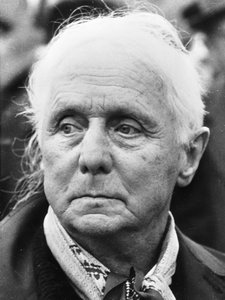
Max Ernst
1891 - 1976 , Nemecko
Základné informácie
- Artistic Movement Or Style: Dadaizmus, Surrealizmus
- Artists Or Movements Influenced By This Artist:
- Surrealizmus
- Dada
- Artists Who Influenced This Artist:
- Picasso
- Van Gogh
- Gauguin
- Date Of Birth: 2. apríl 1891
- Date Of Death: 1. apríl 1976
- Full Name: Max Ernst
- Nationality: Nemecký/Americký, Francúzsky
- Notable Artworks:
- Ofrenda funeraria
- The Equivocal Woman
- L'Ange du foyer
- Place Of Birth: Brühl, Nemecko
Súvisiace články

Pop Surrealism Trend Forecast: Integrating Bold Pop Art and Dreamlike Fantasy into Modern Hospitality Design
Elevate hospitality interiors with Pop Surrealism. Discover how to integrate bold pop art and dreamlike fantasy into hotel design through professional-grade, hand-painted oil reproductions, large-scale murals, and custom multi-panel sets tailored for high-volume procurement.


