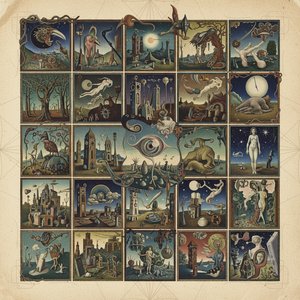
Acrylic On Canvas.

§ 1Catalogue data


Toto dielo je chránené autorským právom
Umelecké dielo zobrazené na tejto stránke je chránené autorským zákonom, čo znamená, že nemôžeme legálne vytvárať ani predávať jeho identickú reprodukciu. Táto ochrana je vymáhaná na základe medzinárodných dohôd, ako napríklad Bernská konvencia a národnými zákonmi, vrátane tých, ktoré sú stanovené v Autorské právo USA – Title 17. Všetky práva vyhradené.
Ako rešpektujúca a legálna alternatíva ponúkame vlastné, ručne maľované diela inšpirované originálom. Naši skúsení a profesionálni umelci dôkladne študujú štýl, náladu a umelecký podnet originálu, aby vytvorili nové, jedinečné dielo, ktoré vyvoláva rovnaký pocit – pričom samo ostáva vlastným originálnym dielom.
Táto metóda plne dodržiava autorské práva, pretože nezahŕňa kopírovanie ani duplikovanie chráneného diela. Ide skôr o kreatívnu reinterpretáciu – nový obraz, ktorý je ovplybnený originálom, no nie je s ním identický.
 Zobraziť viac
§ 2Abstract
Popis zberateľského predmetu
Surrealist masterpiece by Max Ernst featuring a striking elephant with a pipe trunk and airplanes, embodying the artist’s intellectual exploration of the subconscious. Discover this iconic work and bring its imaginative atmosphere into your space.
Biografia umelca
Max Ernst (1891-1976): Nemecký surrealista, známy technikami frotáž, gratáž a koláž. Jeho diela zobrazujú sny, podvedomie a psychologické témy. #MaxErnst #Surrealizmus #Dada
§ 3Commentary
Unveiling the Dreamscape: Max Ernst's "Untitled (4116)"
Max Ernst’s “Untitled (4116)” is not merely a painting; it’s an immersion into the subconscious, a meticulously crafted descent into the surreal logic of dreams. Executed by one of the 20th century’s most influential figures in Surrealism, this artwork embodies Ernst's lifelong fascination with psychological exploration and his deliberate rejection of conventional artistic constraints. The image immediately confronts the viewer with a startling juxtaposition: a colossal elephant, rendered with Ernst’s signature meticulous technique – likely utilizing techniques such as frottage or grattage – becomes an instrument of industrial intrusion, its trunk transformed into a pipe, a conduit for unseen forces. This central motif speaks to anxieties surrounding technological advancement and humanity's relationship with the natural world, themes prevalent in Ernst’s oeuvre.
A Symphony of Disruption: Style and Technique
- Surrealist Vision: The painting is a quintessential example of Surrealism, prioritizing emotional impact and symbolic resonance over representational accuracy. Ernst sought to unlock the power of the unconscious mind, believing that art should bypass rational thought and tap into primal instincts.
- Technical Mastery: Despite its dreamlike quality, “Untitled (4116)” demonstrates Ernst’s exceptional technical skill. The precise rendering of the elephant's form, combined with the chaotic arrangement of airplanes and the subtle details of the cloth held in its mouth, reveals a deliberate and controlled hand.
- Ernst’s Processes: It is highly probable that Ernst employed techniques such as frottage (rubbing textured surfaces) or grattage (scraping paint from a canvas) to achieve the layered, almost tactile quality of the work. These methods were central to his exploration of chance and automatism – allowing subconscious impulses to guide the creative process.
Decoding the Symbolism: A Landscape of Anxiety
The composition of “Untitled (4116)” is rich with symbolic potential. The elephant, a recurring motif in Ernst’s work, often represents primal instincts and the burden of history. Its transformed trunk – a pipe – suggests a disruption of natural order, perhaps symbolizing the encroachment of industry upon the wilderness. The scattered airplanes evoke a sense of displacement and alienation, reflecting anxieties about modernity and the loss of connection to nature. The lone figure in the lower right corner adds another layer of mystery, possibly representing humanity’s vulnerability within this unsettling landscape. Even the birds, positioned at opposite ends of the composition, could be interpreted as symbols of freedom or perhaps as harbingers of impending doom.
Historical Context and Ernst's Legacy
Created in the aftermath of World War I, “Untitled (4116)” reflects the widespread disillusionment and psychological trauma that characterized the early 20th century. Surrealism emerged as a direct response to these anxieties, offering an alternative mode of expression that embraced irrationality and challenged conventional notions of reality. Max Ernst’s work, alongside that of artists like Dalí and Magritte, profoundly influenced subsequent generations of artists and continues to resonate with audiences today. His exploration of the subconscious, his innovative techniques, and his unwavering commitment to artistic freedom cemented his place as a pivotal figure in the history of modern art. This piece stands as a testament to his enduring vision – a powerful reminder that the most profound truths often lie hidden within the depths of our dreams.
Otázky a odpovede
Možno voľne reprodukovať obraz diela „untitled (4116)“ od Max Ernst?
Stav autorských práv pre „untitled (4116)“ od Max Ernst: dielo je v stave stále chránené autorským právom. To určuje, či je možné voľne vytvárať reprodukcie tohto obrazu.
Ako sa dielo „untitled (4116)“ zapísalo do tém a štýlu umelca Max Ernst?
„untitled (4116)“ patrí k dielu Max Ernst v rámci smeru Surrealist Movement, ktorého zachytané témy zahŕňajú surrealist exploration, psychological themes, disillusionment, societal critique, max ernst’s inventive spirit, recurring dreamlike imagery”, “complex symbolic narratives.
Existuje sprievodca k dielu „untitled (4116)“ od Max Ernst?
Stránka Sprievodca študentom diela „untitled (4116)“ od Max Ernst ponúka tlačiteľný dvojstranný informačný list: samotné umelecké dielo s identifikačnou tabuľkou, časovú os situujúcu dielo do obdobia života umelca, ďalšie práce daného umelca, nameranú farebnú paletu a citácie vo štyroch štýloch pripravené na skopírovanie.



 Prepnúť na tlač


 V prípade umeleckých diel alebo reprodukcií, ktorých ktorákoľvek strana je väčšia ako 105 cm (cca 41 palcov), sa rám dodáva v rozloženom stave ako sada. Táto metóda zabezpečuje bezpečnú доставu a chráni pred poškodením počas prepravy.