

1920. Collage.

§ 1Catalogue data


Toto dielo je chránené autorským právom
Umelecké dielo zobrazené na tejto stránke je chránené autorským zákonom, čo znamená, že nemôžeme legálne vytvárať ani predávať jeho identickú reprodukciu. Táto ochrana je vymáhaná na základe medzinárodných dohôd, ako napríklad Bernská konvencia a národnými zákonmi, vrátane tých, ktoré sú stanovené v Autorské právo USA – Title 17. Všetky práva vyhradené.
Ako rešpektujúca a legálna alternatíva ponúkame vlastné, ručne maľované diela inšpirované originálom. Naši skúsení a profesionálni umelci dôkladne študujú štýl, náladu a umelecký podnet originálu, aby vytvorili nové, jedinečné dielo, ktoré vyvoláva rovnaký pocit – pričom samo ostáva vlastným originálnym dielom.
Táto metóda plne dodržiava autorské práva, pretože nezahŕňa kopírovanie ani duplikovanie chráneného diela. Ide skôr o kreatívnu reinterpretáciu – nový obraz, ktorý je ovplybnený originálom, no nie je s ním identický.
 Zobraziť viac
§ 2Abstract
Popis zberateľského predmetu
Portrait of Max Ernst, also known as Bird Superior – Portrait of Max Ernst, is an oil on canvas painting by English artist Leonora Carrington, created c. 1939. The painting was made when the two artists were having a short-lived affair. It is held at the Scottish National Gallery of Modern Art, in Edinburgh, who purchased it in 2018. It was the first work by the artist acquired by the museum. The
Biografia umelca
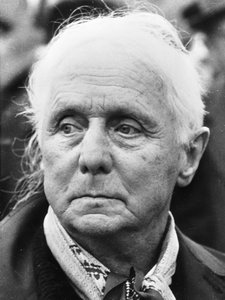
Max Ernst (1891-1976): Nemecký surrealista, známy technikami frotáž, gratáž a koláž. Jeho diela zobrazujú sny, podvedomie a psychologické témy. #MaxErnst #Surrealizmus #Dada
§ 3Commentary
A Fragmented Vision: The Surrealist Dreamscape
In the hauntingly beautiful "Untitled," created in 1920, Max Ernst invites us to step beyond the threshold of rational reality and into a world where the boundaries of the physical and the psychological dissolve. This captivating work serves as a profound window into the early stirrings of Surrealism, capturing a moment when the artist began to dismantle the logic of the visible world to reveal the unsettling textures of the subconscious. The composition is a masterful collage of disparate elements, presenting a scene that feels simultaneously grounded in a tangible environment and adrift in a dream. A large, commanding wheel dominates the center and right side of the canvas, its mechanical presence juxtaposed against more organic and unexpected forms. Amidst this assembly of objects, a clock rests on the left, while a bird occupies the upper-left corner, acting as a silent observer to the strange arrangement below. The backdrop of a building with a visible brick wall provides a sense of architectural structure that is paradoxically disrupted by the floating, incongruous nature of the other elements, such as the two smaller wheels nestled near the bottom-right.Technique and the Language of Chaos
The power of this piece lies in its revolutionary approach to composition and texture, reflecting the rebellious spirit of the Dada movement from which it emerged. Ernst utilizes a collage-like logic to assemble his subjects, creating a visual narrative that relies on unexpected juxtaposities rather than traditional perspective. This method allows for a unique interplay between different scales and forms, where a mechanical wheel can exist in the same plane as a delicate bird or a weathered brick wall. The artist’s ability to blend these elements creates a sense of depth that is not found in traditional realism but in the layered, often confusing architecture of a dream. For the discerning collector or interior designer, this artwork offers an unparalleled focal point; its intricate details and the tension between its mechanical and natural components command attention, making it a sophisticated addition to any space that seeks to evoke mystery, intellectual curiosity, and a sense of avant-garde elegance. Through this work, Ernst does not merely depict a scene but constructs a new reality, one that continues to resonate with anyone drawn to the beauty found within the irrational and the unexplained.Otázky a odpovede
Ktorý umvec a ktorý štýl stoja za dielom „Untitled“?
Dielo „Untitled“ vytvoril/a Max Ernst v štýle Surrealist Movement. Umenec a smer definujú tradíciu tohto diela.
Čo spoločné má dielo „Untitled“ s ostatnou tvorbou umelca Max Ernst?
V rámci tvorby umelca Max Ernst sa dielo „Untitled“ radí do štýlu Surrealist Movement, pričom sprevádzajú ho témy ako dadaist inspiration, psychological depth, rebellion against norms, surreal vision, artistic legacy.
Aký emocionálny tón má dielo „Untitled“ od Max Ernst?
„Untitled“ od Max Ernst vyžaruje Reflective emocionálny tón.


 Prepnúť na tlač


 V prípade umeleckých diel alebo reprodukcií, ktorých ktorákoľvek strana je väčšia ako 105 cm (cca 41 palcov), sa rám dodáva v rozloženom stave ako sada. Táto metóda zabezpečuje bezpečnú доставu a chráni pred poškodením počas prepravy.


