

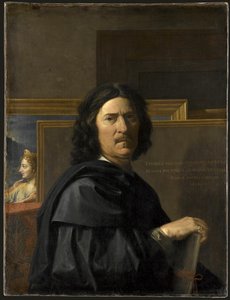
1640. Olejová farba. Pushkinova štátna galéria.

§ 1Catalogue data


§ 2Abstract
Popis zberateľského predmetu
Významná obrazová dielka francúzskeho barokového maliara Nicolas Poussina - „The Noble Deed of Scipio“ zobrazuje historický príbeh o čestnosti a disciplíne v starovekom Římě. Pozrite si detailné prevedenie!
 Zobraziť viac
Biografia umelca
Tá nádherná obrazová dielka Nicolas Poussina „Tanec času“ zobrazuje svetlé figúry pohybujúce sa v rytme času – klasická alegória krásy a harmonie, ktorá uchvátila pozorovateľov po celé stáročia. Pozrite si ju dnes!
§ 3Commentary
Nicolas Poussin: The Enduring Virtue of Scipio Africanus
Nicolas Poussin’s “The Noble Deed of Scipio,” painted around 1640, transcends mere historical depiction; it embodies a profound meditation on honor, restraint, and the timeless values enshrined in ancient Rome. This captivating work, now residing within the esteemed Pushkin State Museum in Moscow, offers an immersive experience into the Baroque era’s masterful command of light, composition, and emotional resonance – qualities that continue to enthrall viewers centuries later. Poussin, already establishing himself as a leading figure in French art, meticulously crafted this scene based on a Roman legend: the story of Scipio Africanus’s selfless act of chivalry—returning a captive woman to her awaiting fiancé after she had been briefly held by his soldiers. More than simply recounting an event, Poussin elevates it into a potent allegory for human virtue.
The painting immediately draws the eye with its carefully orchestrated arrangement. The central figures – Scipio himself and the young woman—are positioned within a shallow space, creating a palpable sense of intimacy and immediacy. Notice how Poussin employs a subtle pyramidal composition, guiding the viewer’s gaze upward towards Scipio, who stands in a commanding red robe, a hue traditionally associated with nobility and leadership. This vibrant color contrasts beautifully with the pristine white of the woman’s dress, symbolizing her innocence and purity—a visual shorthand for virtue itself. The surrounding figures – soldiers, attendants, and other Roman nobles – are rendered with remarkable detail, each contributing to the scene’s overall aura of dignity and importance. Poussin's skill in portraying textures—the folds of the robes, the sheen of armor, the delicate fabric of the woman’s dress—is truly astonishing.
A Symphony of Light and Shadow: Poussin’s Baroque Technique
Poussin was a virtuoso of *chiaroscuro*, the dramatic manipulation of light and shadow – a hallmark of the Baroque style. He doesn't merely illuminate the scene; he sculpts it with light, creating depth and emphasizing key elements. Observe how the light falls across Scipio’s face, highlighting his noble expression and conveying a sense of solemn resolve. The shadows deepen the background, receding into an atmospheric haze that adds to the painting’s mood—a deliberate tactic designed to heighten emotional impact.
Furthermore, Poussin’s meticulous attention to detail is evident in every aspect of the composition. The swords and military equipment scattered throughout the painting serve as a poignant reminder of the context – a world grappling with conflict and conquest. However, they are presented not as emblems of aggression but rather as components that underscore Scipio’s unwavering restraint and self-control.
Symbolism Woven into the Narrative
Beyond its technical brilliance, “The Noble Deed of Scipio” is rich in symbolism. The red robe worn by Scipio isn't merely a marker of his status; it represents his commitment to honor and justice. The woman’s white dress symbolizes her vulnerability and purity—a virtue that Scipio protects with unwavering compassion. Even the landscape, rendered with atmospheric perspective – creating an illusion of depth through converging lines – contributes to the painting’s symbolic resonance, evoking a sense of timelessness and moral grandeur.
The presence of the attendants, subtly gesturing towards the scene, reinforces the importance of this particular act—a testament to Scipio's noble character. Poussin’s masterful depiction captures not just what transpired but also the underlying ethical considerations that underpinned it. As a work deeply rooted in classical ideals – particularly those championed by antiquity – Poussin’s influence reverberates throughout Western art history, inspiring generations of artists with his unparalleled technique and profound understanding of human nature.
A Legacy of Classical Ideals
Poussin's enduring legacy resides in his ability to distill complex philosophical concepts into visually arresting imagery. “The Noble Deed of Scipio” stands as a beacon of virtue—a reminder that true nobility lies not merely in power but in compassion, restraint, and unwavering dedication to moral principles. For those seeking a stunning reproduction or desiring a deeper appreciation of this iconic masterpiece, AllPaintingsStore offers meticulously crafted hand-painted reproductions that faithfully capture the essence of Poussin’s vision.
Otázky a odpovede
Do ktorej fázy kariéry Nicolas Poussin spadá dielo „Nicolas Poussin“, vzhľadom na jeho dátum vytvorenia?
Datovanie do roku 1640 situuje dielo „Nicolas Poussin“ do obdobia Mature Period v rámci umeleckého vývoja Nicolas Poussin.
Ako môžem získať digitálnu verziu diela „Nicolas Poussin“ od Nicolas Poussin?
Ak si chcete kúpiť digitálnu verziu diela „Nicolas Poussin“ od Nicolas Poussin, objednajte si stiahnutie digitálneho obrázka vo vysokom rozlíšení na jeho stránke Digitálna fotografia.
Patrí „Nicolas Poussin“ od Nicolas Poussin medzi známe umelecké diela?
Dielo „Nicolas Poussin“ od Nicolas Poussin má úroveň popularity Ikonické. Táto klasifikácia odráža mier, do akej miery je toto dielo uznávané.


 Prepnúť na tlač


 V prípade umeleckých diel alebo reprodukcií, ktorých ktorákoľvek strana je väčšia ako 105 cm (cca 41 palcov), sa rám dodáva v rozloženom stave ako sada. Táto metóda zabezpečuje bezpečnú доставu a chráni pred poškodením počas prepravy.


