


 Zobraziť v interiéri
 Odoslať
 Zdieľať
 Podrobnosti
 Príručkovo

 Stiahnuť
 Podobné položky
 RTG skúška
 Prehliadanie diapo\]
 Štatistiky
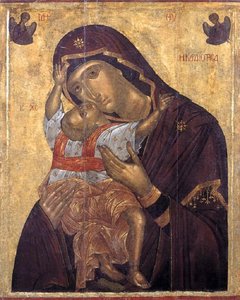
Theotokos of Kholm
 Byzantine
 1125
1125 95.0 x 66.0 cm
 Muzeum Volyňskej ikony
 Prečítať si viac
Giclée / Umenotlač
Giclée tlač alebo plátno múzeálnej kvality s rýchlou výrobou a rôznymi možnosťami povrchovej úpravy. ( Objednať ručne maľovanú reprodukciu Prepnúť na digitálnu verziu obrazu)




































Vyberte si z našich preddefinovaných rozmerov, ktoré zodpovedajú pôvodným pomeroḿ diela.

Môžete zadať vlastné rozmery, aby sa reprodukcia prispôsobila konkrétnemu rámu alebo priestoru. Ak zvolená veľkosť nebude zodpovedať proporciám originálu, dielo buď orežeme, alebo obraz rozšírime pomocou zrkadlenia či farebného doplnenia okrajov. Pred začatím výroby vám pošleme digitálnu ukážku na schválenie.
Máte na vedomí, že náhľad na obrazovke neodzrkadľuje skutočné orezanie alebo rozšírenie. Len digitálna ukážka presne zobrazí finálnu kompozíciu.
Hoci sú k dispozícii vlastné rozmery, pre zachovanie pôvodných proporcií odporúčame vybrať si rozmer z vopred definovaného zoznamu.
Celosvetová doprava () do 2 týždňov namiesto štandardných 4 až 5 týždňov. (21 september)

Bezplatná expresná doprava po celom svete

Vysokokvalitné lnianske plátno

Úplné poistenie prepravy

Záruka vrátenia colného poplatku

Záruka presného farebného zhodnutia

100-dená politika vrátenia tovaru (iba pri vadách)

100% záruka vrátenia peňazí

Ponuka množstevnej zľavy
 Možnosť skla je dostupná len pri rozmeroch pod 110 cm

Theotokos of Kholm
Giclée / Umenotlač
Veľkosť reprodukcie
-


Celková cena
$ 64
Súvisiace diela





Biografia umelca
The Eternal Window: The Sacred Tradition of Orthodox Icons
To gaze upon an Orthodox icon is not merely to observe a painting, but to encounter a window into the eternal. This profound tradition of religious art, rooted deeply in the soil of Byzantine Christianity, transcends the boundaries of time and geography, stretching from the ancient heart of Constantinople across the vast landscapes of Eastern Europe and beyond. Unlike the Western Christian tradition, which often seeks to capture the tangible realism of the human form and the dramatic narratives of earthly life, the art of the iconographer strives for something far more elusive: spiritual contemplation. The goal is not to replicate the physical world with photographic accuracy, but to illuminate the sacred mysteries of faith, evoking divine grace through a language of stylized symbols and luminous textures.
The origins of this venerable art form are found in the early centuries of the Christian era, drawing inspiration from Jewish traditions of depicting God’s glory and the exquisite beauty of illuminated manuscripts from Alexandria and Jerusalem. As the Byzantine Empire established itself as a beacon of Christian culture, icon painting blossomed into a highly disciplined craft. The artists, or iconographers, adhered to strict theological canons, believing that the divine could only be properly expressed through forms that transcended earthly limitations. Through the use of specific proportions and a unique perspective, they created a visual theology where every color, line, and gesture serves as a vessel for the holy.
A Legacy of Divine Light and Symbolism
The technical mastery of Orthodox iconography is inseparable from its spiritual purpose. The use of gold leaf is perhaps the most striking element, acting as more than mere decoration; it represents the uncreated light of God, creating a shimmering, celestial atmosphere that separates the sacred subject from the mundane world. This alchemy of divinity transforms the wooden panel into a portal of radiance. Every element within the composition carries profound weight:
- The Use of Gold: Symbolizing the divine presence and the eternal kingdom that exists beyond the reach of shadow.
- Stylized Figures: The elongated features and solemn expressions of saints are designed to direct the viewer's focus away from physical beauty toward spiritual essence.
- Symbolic Color Palettes: Specific hues are employed to convey theological truths, such as blue for humanity and red for divinity or martyrdom.
- Inverse Perspective: A technique where lines converge toward the viewer rather than a distant horizon, symbolically inviting the observer into the sacred space of the icon.
Throughout history, various regional styles have emerged, enriching the broader Byzantine tradition. In Russia, the art reached new heights of emotional and spiritual depth through masters like Andrei Rublev, whose work, such as the iconic Trinity, exemplifies a sense of profound peace and interconnectedness. Meanwhile, in Bulgaria and Romania, local traditions introduced unique nuances, such as the delicate beauty of icons painted on glass, ensuring that the breath of this ancient art continued to move through the hearts of the faithful across generations.
The Enduring Significance of the Iconographic Vision
The historical significance of Orthodox icons lies in their ability to act as a living chronicle of faith. They have survived the rise and fall of empires, the shifts of political ideologies, and the changing tides of artistic movements. Even in the modern era, the tradition remains a vital force, providing a sense of continuity and stability in an ever-changing world. The iconographer does not seek fame or individual expression in the modern sense; rather, they serve as a humble conduit for a much larger, divine narrative.
Today, the study and preservation of these works allow us to touch the pulse of history. Whether it is the monumental mosaics of ancient monasteries or the intimate, hand-painted icons found in private devotion, the essence remains unchanged. The icon continues to perform its primary function: to invite the soul into a direct, unmediated dialogue with the sacred, offering a moment of stillness and a glimpse of the divine radiance that persists through the ages.

orthodox icons
World
Rýchle fakty
- Artistic Movement Or Style: Orthodox Iconography
- Artists Or Movements Influenced By This Artist: ['Western European Art']
- Artists Who Influenced This Artist: ['Rublev Andrei']
- Full Name: Vladimir Manzhos
- Nationality: Russian
- Notable Artworks: ['The Virgin Mary with Saint George']
- Place Of Birth: Russia
Súvisiace články

Gilded Glory: The High-Impact Art of Gold Leaf and Byzantine Masterpieces
Explore the celestial brilliance of Byzantine masterpieces. Discover the sacred alchemy of gold leaf, the spiritual depth of Orthodox icons, and how this high-impact gilded glory continues to inspire awe in fine art history and modern luxury interiors.

Illuminating Eternity: A Comprehensive Exploration of Byzantine Art's Legacy
Explore the rich history & stunning artistry of the Byzantine Empire! Discover iconic mosaics, profound symbolism, and lasting influence on Western art. A comprehensive guide for history lovers.

Divine Grace: A Journey Through the Most Iconic Depictions of the Virgin Mary in Art History
Embark on a profound journey through art history with our exploration of the most iconic depictions of the Virgin Mary. Discover the divine grace, symbolism, and masterful techniques found in Renaissance masterpieces and sacred iconography.

Byzantine Splendor: Unveiling the Divine Radiance and Golden Majesty of Timeless Masterpieces
Immerse yourself in the golden splendor of Byzantine masterpieces. Explore luminous mosaics and sacred iconography through our premium, hand-painted oil reproductions. Discover museum-quality elegance and expert curation for your sophisticated interiors at AllPaintingsStore.com.

Byzantine Art Unveiled: The Divine Radiance of Golden Mosaics and Sacred Iconography
Journey through the luminous history of Byzantine art. Unveil the profound symbolism of sacred icons and the breathtaking brilliance of gold-leaf mosaics in this expert cultural retrospective. A soulful exploration for the discerning art lover.

