

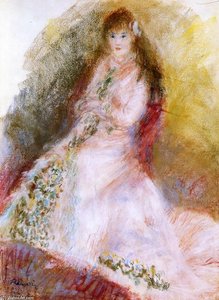
1949. Oil, 646.0 x 1070.0 cm. National Gallery of Modern Art.

§ 1Katalogové údaje

- 646.0 x 1070.0 cm


Toto dielo je chránené autorským právom
Umelecké dielo zobrazené na tejto stránke je chránené autorským zákonom, čo znamená, že nemôžeme legálne vytvárať ani predávať jeho identickú reprodukciu. Táto ochrana je vymáhaná na základe medzinárodných dohôd, ako napríklad Bernská konvencia a národnými zákonmi, vrátane tých, ktoré sú stanovené v Autorské právo USA – Title 17. Všetky práva vyhradené.
Ako rešpektujúca a legálna alternatíva ponúkame vlastné, ručne maľované diela inšpirované originálom. Naši skúsení a profesionálni umelci dôkladne študujú štýl, náladu a umelecký podnet originálu, aby vytvorili nové, jedinečné dielo, ktoré vyvoláva rovnaký pocit – pričom samo ostáva vlastným originálnym dielom.
Táto metóda plne dodržiava autorské práva, pretože nezahŕňa kopírovanie ani duplikovanie chráneného diela. Ide skôr o kreatívnu reinterpretáciu – nový obraz, ktorý je ovplybnený originálom, no nie je s ním identický.
 Zobraziť viac
§ 2Abstraktné
Popis zberateľského predmetu
Experience the captivating inner conflict of Binodini, a striking portrait by Ramkinkar Baij (1949), whose textured oil work invites you to discover its depth.
Biografia umelca
Ramkinkar Baij (1906-1980) was a pioneering Indian sculptor & painter, considered the father of modern Indian sculpture. Known for contextual modernism and blending Western & Indian styles in works like 'Santal Family'. Explore his legacy at AllPaintingsStore
§ 3Komentár
The Enigma in White: Exploring Ramkinkar Baij's 'Binodini'
To stand before Binodini is not merely to observe a portrait; it is to step into a moment of profound, suspended contemplation. This masterful work by Ramkinkar Baij captures the essence of an inner life—a beautiful young woman from Manipur’s aristocratic lineage, caught in what seems to be a delicate confluence of thought and emotion. The painting transcends simple representation, offering instead a window into the complexities of the human spirit. Baij, whose genius was rooted in his ability to perceive the soul beneath the surface, has gifted us an image that resonates with both timeless elegance and modern psychological depth.
Technique and Tactility: A Masterclass in Medium
What immediately draws the eye is the remarkable texture achieved by Baij. Executed in oil upon gunny cloth—a material choice that speaks to his daring experimentation—the surface itself becomes a participant in the artwork’s narrative. He has not simply painted; he has built up layers of pigment, creating a palpable, almost sculptural quality to the paint. This thick application gives the slim figure an undeniable volume, making the portrait feel intensely present. The artist's handling is both tender and robust, allowing the viewer to sense the physical weight of the subject while simultaneously feeling the lightness of her dilemma.
Symbolism and the Gaze: Capturing Inner Conflict
The subject’s gaze is perhaps the most arresting element. Her eyes, wide and directed straight out of the canvas, meet the viewer's scrutiny with an unnerving directness. It is a look that seems to ask questions without uttering a single word. The flowing white dress enhances this sense of ethereal vulnerability, contrasting beautifully with the warm, yellowish embrace of the background. Noticeable details, such as the books placed near her—one in the lower left and another toward the upper right—suggest themes of knowledge, study, or perhaps conflicting narratives vying for her attention. These elements anchor the emotional ambiguity, suggesting that her internal conflict is intellectual as much as it is emotional.
Historical Resonance and Enduring Appeal
Painted in 1949, Binodini stands at a pivotal moment in Indian modern art. Ramkinkar Baij was not content with tradition; he was forging a new visual language for India. This portrait exemplifies his lifelong fascination with capturing the subject’s inner self rather than merely documenting her outward appearance. For collectors and designers alike, this piece offers more than mere decoration; it is an heirloom of artistic revolution. Reproducing this work allows one to bring home not just a painting, but a tangible connection to the pioneering spirit of modern Indian art.
Otázky a odpovede
Prečo je autorskoprávny status diela „Binodini“ taký, aký je?
„Binodini“ od Ramkinkar Baij sa nachádza v oblasti stále chránené autorským právom. Doba trvania autorského práva sa začína dňom smrti umelca, ktorého smrť nastala v roku 1980.
Kde sa dielo „Binodini“ zaradí do doterajšieho tvoru umelca Ramkinkar Baij?
Dielo „Binodini“ zdieľa s ostatnými prácami umelca Ramkinkar Baij jeho štýl v rámci smeru Modern Indian Art a zachytené témy: santiniketan art school influence, study of inner self, manipur aristocratic life depiction, exploration of human emotion.
Ako sa v díle „Binodini“ spájajú kontrast a harmónia?
V diele „Binodini“ sa Gentle kontrast spája s Unified Palette harmóniou.




 Prepnúť na tlač


 V prípade umeleckých diel alebo reprodukcií, ktorých ktorákoľvek strana je väčšia ako 105 cm (cca 41 palcov), sa rám dodáva v rozloženom stave ako sada. Táto metóda zabezpečuje bezpečnú доставu a chráni pred poškodením počas prepravy.


