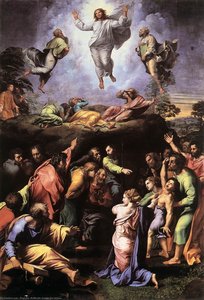
1518. Oil On Canvas.

§ 1Catalogue data


§ 2Abstract
Popis zberateľského predmetu
Explore Raphael’s masterpiece, ‘St Michael & Satan’! A Baroque painting of epic scale, showcasing dynamic composition, dramatic lighting & religious symbolism. #Raphael #BaroqueArt
 Zobraziť viac
Biografia umelca
Rafaello Sanzio (1483-1520): Geniálny taliansky maliar, známy svojimi miernymi Madonňami a architektonickými dielami. Jeho umelecké diela sú ikonické a inšpiratívne! #rafaello #renesancomalba
§ 3Commentary
A Celestial Triumph: The Divine Drama of Raphael’s St. Michael
In the hallowed halls of the Louvre, there exists a masterpiece that captures the very essence of cosmic conflict. Raphael’s St. Michael and the Satan is not merely a painting; it is a breathtaking theater of the soul, where the boundaries between heaven and earth dissolve into a singular moment of divine justice. As the eye meets the canvas, one is immediately struck by the profound tension held within the composition. The archangel Michael, a figure of celestial grace and unyielding strength, stands poised above his fallen adversary. This is the definitive depiction of the archetypal battle between good and evil, a visual symphony where the triumph of faith over temptation is rendered with such visceral intensity that the viewer becomes a witness to the eternal struggle for righteousness.
The artistry on display exemplifies the pinnacle of the High Renaissance, yet it whispers of the dramatic, muscular energy that would soon define the Mannerist movement. Raphael, a master of harmony, utilizes a pyramidal composition to anchor the chaos, directing the viewer's gaze upward toward the triumphant archangel. The anatomy of the figures is rendered with a sculptural precision reminiscent of Michelangelo, yet Raphael infuses the scene with a unique, fluid elegance. Every muscle in Michael’s form and every twisted limb of the defeated Satan contributes to a sense of movement captured at a standstill—a breathless pause in the midst of an epic upheaval.
Luminous Technique and the Alchemy of Color
To behold this work is to experience the transformative power of light and pigment. Executed with exceptional technical mastery, the painting utilizes oil glazes to achieve a luminous depth that seems to glow from within. Raphael’s palette in this period was particularly daring; he moves away from his more tranquil tones to embrace a rich, dramatic spectrum of warm golds, deep reds, and earthy browns. These colors do more than just decorate the scene—they breathe life into it. The metallic sheen of the light reflecting off celestial armor and the dark, brooding shadows cast over the demonic form create a chiaroscuro effect that heightens the emotional stakes of the encounter.
The texture of the work invites close contemplation, as visible brushwork adds a layer of vitality to the landscape and the figures alike. There is an alchemy at play here, where the blending of pigments creates a sense of atmosphere so thick one can almost feel the stormy sky pressing down upon the rocky terrain. For the collector or the interior designer, such a piece offers more than just visual interest; it provides a focal point of immense gravity and sophistication. A high-quality reproduction of this masterpiece brings with it a sense of historical weight and an unparalleled ability to command the atmosphere of any curated space.
Symbolism and the Eternal Legacy
Beyond its aesthetic splendor, St. Michael and the Satan serves as a profound theological allegory. Commissioned during the height of papal influence, likely for Pope Leo X, the painting functions as a symbol of divine authority and the inevitable victory of the light. Every element is heavy with meaning: the spear held by the archangel represents the piercing truth of faith, while the subjugated Satan embodies the chaos of sin. The composition serves as a reminder that even in the darkest moments of human experience, there is an underlying order and a divine protection that remains unshakable.
For those seeking to adorn their homes or galleries with art that inspires reflection and awe, this work stands as a testament to the enduring power of the Renaissance spirit. It is a piece that speaks to the resilience of the human spirit and the eternal hope for triumph over adversity. Whether viewed as a historical relic of the Vatican’s golden age or as a breathtaking display of technical virtuosity, Raphael’s vision continues to captivate, offering a window into a realm where beauty and divinity are inextricably linked.
Otázky a odpovede
Koľko rokov mal/a Rafaello Sanzio, keď vzniklo dielo „St Michael and the Satan“?
Keď bolo dielo „St Michael and the Satan“ vytvorené v roku 1518, umelec Rafaello Sanzio – narodený v roku 1483 – mal 35 rokov.
Obsahuje „St Michael and the Satan“ výrazné svetlo-tmavé kontrasty?
„St Michael and the Satan“ od Rafaello Sanzio vykazuje Bold kontrast medzi svetlými a tmavými časťami diela.
Kto je umelcom diela „St Michael and the Satan"?
Dielo „St Michael and the Satan“ sa pripisuje autorovi Rafaello Sanzio.



 Prepnúť na tlač


 V prípade umeleckých diel alebo reprodukcií, ktorých ktorákoľvek strana je väčšia ako 105 cm (cca 41 palcov), sa rám dodáva v rozloženom stave ako sada. Táto metóda zabezpečuje bezpečnú доставu a chráni pred poškodením počas prepravy.