


 Náhľad v interiéri

 Odoslať ako digitálnu kartu
 Zdieľať
 Podrobnosti o dielo
 Príručka


 Stiahnuť obraz
 Podobné položky
 RTG skúška
 Prehliadanie diapozoje
 Otázky a odpovede
 Štatistiky
Interior

 Zobraziť viac
Umelecké dielo zobrazené na tejto stránke je chránené autorským zákonom, čo znamená, že nemôžeme legálne vytvárať ani predávať jeho identickú reprodukciu. Táto ochrana je vymáhaná na základe medzinárodných dohôd, ako napríklad Bernská konvencia a národnými zákonmi, vrátane tých, ktoré sú stanovené v Autorské právo USA – Title 17. Všetky práva vyhradené.
Táto metóda plne dodržiava autorské práva, pretože nezahŕňa kopírovanie ani duplikovanie chráneného diela. Ide skôr o kreatívnu reinterpretáciu – nový obraz, ktorý je ovplybnený originálom, no nie je s ním identický.
Giclée / Umenotlač
Giclée tlač alebo plátno múzeálnej kvality s rýchlou výrobou a rôznymi možnosťami povrchovej úpravy. ( Kúpiť ručne maľovaný obraz Prepnúť na digitálny obraz)
P118B €10
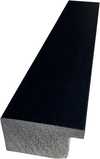
P118H €10
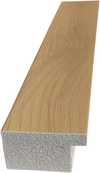
P118W €10
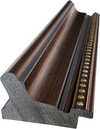
P438Z €10
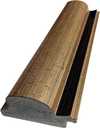
P508JH €12
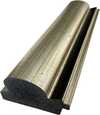
P508YH €12
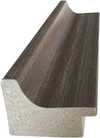
P805H €10
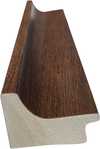
P805Z €10
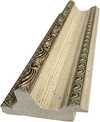
P919BZ €10
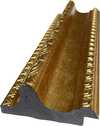
P919G €10
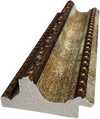
P919XJ €10
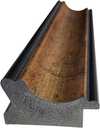
P959ZH €10
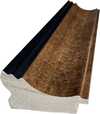
P968JZ €12
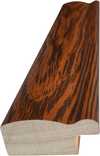
W106C €8
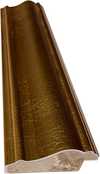
W218G €10
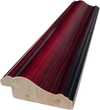
W218JH €8
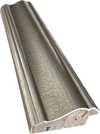
W218Y €10
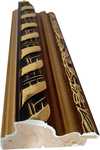
W307PJ €10
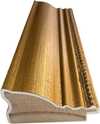
W316G €10
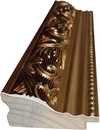
W316PJ €8
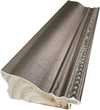
W316Y €10
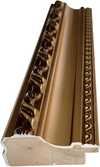
W398PJ €8
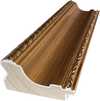
W4111J €10
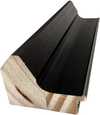
W500HY €15
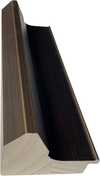
W500JH €15
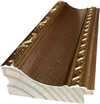
W692G €12
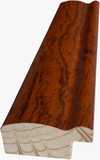
W849H €8
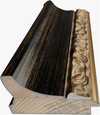
W940BG €15
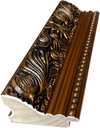
W953PJ €8
Vyberte si z našich preddefinovaných rozmerov, ktoré zodpovedajú pôvodným pomeroḿ diela.

Zadajte šírku a výšku, ktoré potrebujete, aby sa reprodukcia hodila k vášmu rámu alebo stene. Print možno len orezávať, nikdy však nemennú veľkosť zvětšiť oproti pôvodnému obrázku, preto pri inom formáte stráca časť obrazu. Pred samotným vytlačiacím procesom vám pošleme digitálny náhľad na schválenie. Obrázok zobrazený na tejto stránke nezobrazuje reálny rez — len digitálny náhľad ukazuje presný výsledok.
Celosvetová doprava () do 2 týždňov namiesto štandardných 4 až 5 týždňov. (19 november)

Bezplatná expresná doprava po celom svete

Vysokokvalitné lnianske plátno

Kompletné poistenie prepravy

Záruka vrátenia colného poplatku

Záruka presného farebného zhodnutia

100-dená politika vrátenia tovaru (iba pri vadách)

100% záruka vrátenia peňazí

Zľava pri väčšom množstve
 Možnosť skla je dostupná len pri rozmeroch pod 110 cm

Interior
Giclée / Umenotlač
Veľkosť reprodukcie
-


Celková cena
€ 58
A Dynamic Vision of Modernity: Exploring Stuart Davis’s “Interior”
Stuart Davis's “Interior” is a captivating example of American Modernism, pulsating with energy and reflecting the artist’s unique response to the burgeoning urban landscape and the rhythms of jazz. Created sometime during his prolific career (1892-1964), this work embodies Davis’s commitment to developing a distinctly American visual language, moving beyond European influences towards a bold, independent style.
Deconstructing Space: Style & Technique
- The artwork is immediately striking for its geometric abstraction. Davis employs fragmented forms and flattened perspectives – hallmarks of both Cubism and Constructivism – but infuses them with a uniquely American sensibility.
- A vibrant palette dominates, anchored by the stark contrast between the white background, bold reds, blues, and greys, and punctuated by energetic black lines. The orange border further intensifies this visual impact.
- Davis’s technique is evident in the visible brushstrokes and layering of paint, creating a subtle texture that adds depth despite the overall flattened composition. This suggests an active process of building up form and color on the canvas, likely using oil paints as his primary medium.
- The arrangement isn't simply random; it’s carefully orchestrated into distinct zones – a tower-like structure in blue-grey, a dynamic red section with a vertical ‘sail’ or flag element, and a central area of interwoven geometric shapes. This zoning creates a sense of controlled chaos.
Echoes of Jazz & the Machine Age: Context & Symbolism
Davis was deeply influenced by jazz music, which he saw as embodying the spirit of modern America – improvisational, energetic, and uniquely its own. While “Interior” isn’t a direct representation of musical notes, the dynamic interplay of shapes and colors evokes the same sense of rhythm and syncopation found in jazz compositions.
- The architectural elements, particularly the stylized tower, could be interpreted as representing aspiration or the burgeoning skyscrapers of American cities. Davis frequently engaged with urban themes throughout his career.
- The ‘sail’ or flag-like form introduces a sense of movement and direction, perhaps symbolizing progress or the forward momentum of modern life.
- His early exposure to the Armory Show in 1913 was pivotal. While his initial works reflected the Ashcan School style, he quickly absorbed and transformed European avant-garde ideas into something distinctly American.
Emotional Resonance & Lasting Impact
“Interior” is not a tranquil scene; it’s charged with energy and tension. The fragmented forms and bold colors create a sense of dynamism, while the lack of traditional perspective can be slightly unsettling. This emotional complexity reflects the anxieties and excitements of a rapidly changing world.
- The artwork invites viewers to actively engage with its abstract language, prompting individual interpretations and fostering a personal connection.
- As a pioneering figure in American Modernism, Stuart Davis paved the way for subsequent generations of artists. His work continues to inspire those seeking to break free from convention and explore new forms of visual expression.
Otázky a odpovede
Existuje sprievodca k dielu „Interior“ od Stuart Davis?
Pre dielo „Interior“ od Stuart Davis je k dispozícii stránka Sprievodca študentom: tlačiteľný informačný list o umedení, navrhnutý pre študentov a využitie v triedach.
Aká farebná paleta je použitá v díle „Interior“ od Stuart Davis?
Farby diela „Interior“ tvoria Metallics paletu. Táto klasifikácia popisuje dominantné farebné skupiny.
K akému umeleckému smeru patrí „Interior“?
Uvedený umelecký smer spojený s dielom „Interior“ od Stuart Davis je Cubism. Táto klasifikácia umiestňuje toto dielo medzi súvisiace umelcov a umelecké diela.
Podobné diela


Biografia umelca
Stuart Davis: A Pioneer of American Modernism
Stuart Davis, born Edward Stuart Davis on December 7, 1892, in Philadelphia, Pennsylvania, was immersed in an artistic environment from a young age. His father, Edward Wyatt Davis, served as the art editor for *The Philadelphia Press*, while his mother, Helen Stuart Davis, was a sculptor—a lineage that undeniably fostered his early fascination with visual arts. Davis received formal training at the Robert Henri School of Art in New York City from 1909 to 1912 under the guidance of Robert Henri himself. During this formative period, he forged enduring friendships with fellow painters John Sloan, Glenn Coleman, and Henry Glintenkamp—artists who would become collaborators and companions on his artistic journey.Early Career and the Armory Show
Davis swiftly gained recognition as one of the youngest exhibitors at the pivotal Armory Show in 1913. He presented five watercolor paintings that embodied the distinctive style of the Ashcan School, marking an early step toward establishing his artistic identity. This exhibition showcased his talent alongside luminaries like Vincent van Gogh and Henri Matisse—artists who profoundly impacted the burgeoning modernist movement.
Artistic Development and Style
Throughout the 1920s, Davis honed his distinctive mature style. He began creating abstract still lifes and landscapes infused with a proto-pop art element, skillfully incorporating contemporary subject matter – cigarette packages and spark plug advertisements – into his compositions. This innovative approach reflected his keen observation of everyday life and signaled a departure from traditional artistic conventions.
His work is characterized by bold colors, assertive brushstrokes, and a dynamic energy that captured the spirit of jazz music—a genre he passionately embraced. The Ashcan School’s emphasis on urban realism and social commentary served as an initial cornerstone for his aesthetic sensibilities.
Influences and Inspirations
- Robert Henri: Henri instilled in Davis a belief in direct observation of life and encouraged him to capture its essence with uncompromising honesty.
- Ashcan School: The Ashcan School profoundly shaped Davis’s early artistic vision, fostering his focus on depicting the gritty realities of urban existence.
- Cubism: Inspired by Picasso and Braque, Davis explored fragmented perspectives and geometric forms—techniques that would become integral to his oeuvre.
- Jazz Music: Jazz music permeated Davis's artistic consciousness, contributing to the rhythmic vitality and improvisational quality of many of his paintings.
Notable Works
Odol (Modernism), completed in 1928, stands as a testament to Davis’s stylistic evolution—a masterful blend of abstraction and recognizable imagery from popular culture. This painting exemplifies his ability to synthesize diverse influences into a cohesive artistic statement.
Other significant pieces include *Rocks, Gloucester* (1915), *The Mellow Pad*, and *Tropes de Teens* (1956)—works that demonstrate Davis’s unwavering commitment to exploring new visual languages and engaging with pressing social concerns.
Legacy and Historical Significance
Stuart Davis's contributions to American Modernism are undeniable. He challenged artistic conventions, embraced contemporary themes, and championed the expressive power of abstraction—actions that paved the way for future generations of artists. As a pioneer in abstract art, he helped establish a distinctly American voice within the broader context of modern art history.
His work continues to inspire and influence artists today, securing his place as a monumental figure in 20th-century artistic achievement—a legacy rooted in unwavering conviction and an enduring fascination with capturing the dynamism of the human experience.

Stuart Davis
1892 - 1964 , Spojené štáty americké
Základné informácie
- Artistic Movement Or Style: Americký modernizmus
- Artists Or Movements Influenced By This Artist: ['Ashcan School']
- Artists Who Influenced This Artist: ['Robert Henri']
- Country: USA
- Date Of Birth: 7. december 1892
- Full Name: Stuart Davis
- Nationality: Američan
- Notable Artworks:
- Odol
- Rocks, Gloucester
- Place Of Birth: Philadelphia
Súvisiace články

Fragmented Beauty: A Professional Guide to Deconstructed Forms and Cubist Masterpieces for Architectural Design
Elevate hospitality interiors with professional-grade Cubist reproductions. Our expert guide explores deconstructed forms for designers, offering high-volume, hand-painted oil masterpieces, custom multi-panel sets, and seamless global procurement for hotels and corporate spaces.
