


 Predogled v realnem okolju
 Pošlji
 Deli
Deli
 Podrobnosti o delu
 Priročnik

 Prenesi sliko
 Podobni izdelki
 Rentgenski posnetek
 Predvajaj diaporama
 Vprašanja in odgovori
 Statistika
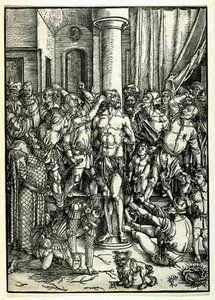
Flagellation


 Preberi več
Giclée tisk / Umetniški tisk
Giclée ali platnati odtis muzejske kakovosti z hitro proizvodnjo in prilagodljivimi možnostmi končne obdelave. ( Kupite ročno slikano delo Preklop na digitalno sliko)




P118B €10

P118H €10

P118W €10

P438Z €10

P508JH €12

P508YH €12

P805H €10

P805Z €10

P919BZ €10

P919G €10

P919XJ €10

P959ZH €10

P968JZ €12

W106C €8

W218G €10

W218JH €8

W218Y €10

W307PJ €10

W316G €10

W316PJ €8

W316Y €10

W398PJ €8

W4111J €10

W500HY €15

W500JH €15

W692G €12

W849H €8

W940BG €15

W953PJ €8




Izberite eno od naših vnaprej določenih velikosti, ki ustrezajo prvotnim proporcijam umetničkega dela.

Vnesite širino in višino, ki jih potrebujete za svoj okvir ali steno. Tiskanje se lahko le odreže, vendar ga ni mogoče narediti večjega od slike, zato format z drugačno obliko pomeni izgubo dela slike. Pred tiskanjem vam pošljemo digitalni predogled za potrditev. Slika, prikazana na tej strani, ne prikazuje dejanskega izrezka — le predogled to omogoča.
Globalna dostava () v 2 tednih namesto standardnih 4/5 tednov. (11 november)

Brezplačna ekspresna dostava po vsem svetu

Visokokakovostno laneno platno

Popolno zavarovanje pošiljke

Garancija povračila carine in uvoznih davkov

Garancija popolnega barvnega ujemanja

100-dnevna politika vračil (le v primeru okvar)

Garancija 100% povračila denarja

Popust pri večjem naročilu
 Možnost stekla je na voljo le za velikosti pod 110 cm

Flagellation
Giclée tisk / Umetniški tisk
Velikost reprodukcije
-


Skupna cena
€ 58
Identification of the Flagellation by Albrecht Dürer
The woodcut Flagellation by Albrecht Dürer captures a moment of profound torment. This Northern Renaissance work presents a scene of intense suffering within a structured architectural setting. The lines of the woodblock define the heavy geometry of columns and arches, framing the chaos of the figures caught in the act of violence. It is a study of tension held within a monochromatic world.
Albrecht Dürer utilized the precision of the woodcut to translate religious agony into a visual language of stark contrasts. The composition draws the eye toward the central struggle, where the physical reality of pain meets the rigid order of the portico. Every stroke of the tool contributes to the weight of the scene, turning a biblical event into a visceral encounter with human suffering. The shadows fall deep across the contorted limbs of the subjects.
This specific print belongs to a period of intense technical development for the artist. It remains a significant example of the Northern Renaissance style, where meticulous detail meets emotional gravity. The work exists as a quiet, heavy presence on the page.
Composition and Visual Elements
The scene unfolds within the cold, rigid geometry of an architectural portico. Figures are crowded into this space, packed tightly together in a chaotic arrangement that creates a sense of claustrophobia. Bodies overlap and twist, caught in a moment of intense torment. This density pushes the viewer toward the center of the violence, where human degradation is rendered through contorted limbs and pained expressions. The perspective feels somewhat flattened, a two-dimensional arrangement that emphasizes the weight of the suffering rather than the depth of the room.
Light and shadow act as the primary architects of this tension. The lighting is uneven, casting heavy, dark shadows that carve out the contours of the suffering subjects. These shadows cling to the folds of fabric and the hollows of skin, heightening the visceral impact of the execution. A grayscale palette governs the entire work, stripping away the distraction of color to focus on the stark contrast between light and dark. The absence of hue leaves only the raw reality of the scene: the pale skin of the victims against the dark, unyielding stone of the columns.
Technique and Artistic Style
The composition relies on a rigorous, linear precision. Sharp lines define the rigid geometry of the arches and the heavy columns of the portico, creating a structural skeleton for the chaos. These lines trace the outlines of the figures, carving their contorted limbs out of the shadows. The style draws heavily from the traditions of Renaissance painting, seeking to organize space through a controlled, mathematical logic. Every architectural element is rendered with a clarity that anchors the scene in a cold, unyielding reality.
Meticulous brushwork and shading build the weight of the subjects. Through subtle variations in tone, the artist simulates the tactile reality of skin, heavy fabric, and weathered stone. This technique creates a palpable sense of volume, turning flat shapes into three-dimensional forms that occupy the space with physical presence. The interplay of light and dark emphasizes the dramatic contours of the bodies, making the physical agony feel immediate. It is a study of texture achieved through the disciplined application of shade.
Related Works by Albrecht Dürer
The shadow of the scourging follows the artist through various iterations of sacred suffering. In the woodcut known as The Large Passion: 3. Flagellation of Christ, dated 1497, the narrative takes shape through the stark, rhythmic lines of the woodblock. This work shares a lineage with the Flagellation of Christ from the same year, where the brutality of the scene is captured through the precise, unyielding geometry of the German Renaissance. These early explorations of the Passion establish a visual language of tension and religious weight.
Later, the artist turned to the sharp bite of the metal burin. The 1512 engraving, Flagellation (No. 6), held at the University Art Museum, Princeton, utilizes dense hatching and cross-hatching to define the musculature of the torment and the heavy folds of drapery. It is a study in monochromatic depth, where light and shadow define the very anatomy of pain. The precision of the line creates a tactile reality, turning the copper plate into a landscape of human endurance.
Other works from his prolific output include:
The weight of the woodcut and the precision of the engraving remain linked by a singular, driving focus on the physical reality of the divine. Each stroke of the tool seeks to map the intersection of the spiritual and the visceral. The ink settles into the paper, quiet and still.
Vprašanja in odgovori
V katero obdobje umetnostnega razvoja Albrecht Dürer pripada delo "Flagellation"?
"Flagellation" predstavlja Mature Period umetnika Albrecht Dürer.
Kaj predstavlja "Flagellation" in kakšno vzdušje prikliče?
"Flagellation" avtorja Albrecht Dürer združuje religious suffering, torture, medieval art, durer’s work, pain, sacrifice, human degradation, renaissance drama z Dramatic vzdušjem.
S kakšno tehniko je izdelano "Flagellation" in v katerem slogu?
V delu "Flagellation" se tehnika Woodcut srečuje z gibanjem Northern Renaissance.
Sorodna umetniška dela




Biografija umetnika
Albreht Dürer: Mojster Nemške Renesanse in Pionir Grafike
Albreht Dürer, ime sinonimno za nemško renesanso, se je rodil leta 1471 v živahni umetniški mesteki Nürnberg. Njegov oče, Albreht Dürer starejši, uspešen zlatar in priseljencec iz Madžarske, mu je nudil okolje, prežeto z obrtjo in natančnostjo. Čeprav ga je oče sprva usmerjal v družinsko delavnico, je kmalu postalo jasno, da Albreht poseduje izjemen talent za risanje. Že pri trinajstih letih se je preselil k Michaelu Wolgemutu, vodilnemu nürnberškemu umetniku tistega časa, kjer je osvojil osnove oblikovanja, kompozicije in tehnik lesoreza. Ta izkušnja, ki jo je dopolnila srebrna risba avtoportreta iz leta 1484, je položila temelje njegovi prihodnji slavi.
Dürerjeva ambicija pa se ni omejevala na Nürnberga. Želeta po umetniški popolnosti in osvajanju slikarske tehnike ga je vodila v Italijo leta 1494, kjer je naletel na dela Rafaela, Giovannija Bellinija in Leonardaja da Vincija – mojstrov, ki so preoblikovali razumevanje forme, perspektive in človeškega izraza. Ta izpostavljenost je bila presodna; Dürer je vpijal klasicistične motive, harmonične kompozicije in subtilno sfumato tehniko, a ni nikoli izgubil svoje severne evropejske senzibilnosti za natančnost in simbolizem. Druga italijanska pot med letoma 1505 in 1507 je še utrdila ta vpliva, omogočila mu je študij rimskih ostankov in izpopolnitev razumevanja anatomije in proporcij. Ta sinteza severne natančnosti in italijanske lepote je postala vodilni znak Dürerjevega edinstvenega umetniškega sloga.
Dürer je bil mojster več medijev, od slikanja do grafike, pri čemer je vsak ponujal nove poti ustvarjanja. Njegove slike, čeprav manj številne kot grafike, dokazujejo izjemno obvladovanje oljne barve in sposobnost zajeti tako fizično podobnost kot psihološko globino. Vendar pa je v svetu grafike – zlasti v tehnikah bakrorez in lesorez – Dürer resnično revolucioniral umetniško prakso. Te tehnike je povzdignil iz preproste reprodukcije do samostojnih umetniških oblik, ki so bile sposobne prenesti kompleksne pripovedi in globoke emocije. Serija *Apokalipsa* (1498), zbirka štirinajst lesorezov, ki prikazujejo knjigo Razodetja, je pokazala njegovo mojstrstvo te tehnike, kljub njeni omejitvi. Poznejše gravure, kot sta *Melanhonija I* (1514) in *Sveti Jernej v študiju* (1514), so priče njegovemu neprekosljivemu znanju – zapletene kompozicije, polne simboličnega pomena, izvedene z dih jemajočo natančnostjo. Ne le da je upodabljal resničnost; v njo je vdahoval sloje intelektualnega in duhovnega pomena.
Teoretik in Inovator: Dürerjeva Zapuščina
Dürer ni bil zgolj umetnik, temveč tudi učenjak, teoretik in inovator, ki je iskal razumevanje osnovnih načel ustvarjanja. Verjel je v matematične osnove umetnosti in se zavetil za vzpostavitev znanstvenega pristopa k upodabljanju. Njegovi spisi o geometriji, proporcijah in človeški anatomiji – zlasti *Štirje knjige o človeških proporcijah* (1528) – so bili prelomni zaradi svoje časovne prednosti, saj so dokazovali njegovo zavezanost natančnemu opazovanju in racionalni analizi. Ti zapisi niso bili le akademske vaje; namenjeni so bili poviševanju statusa umetnikov od navadnih obrtnikov do intelektualnih praktikov.
Dürerjeva zapuščina sega daleč čez njegove posamezne umetnine. On je most ustvaril med severnoevropskimi tradicijami in italijanskimi renesančnimi ideali, v severno umetnost vnašal klasicistične motive hkrati pa ohranjal njeno značilno identiteto. Njegovi teoretični prispevki so pomagali vzpostaviti nov okvir za umetniško prakso in navdihnili generacije umetnikov s svojo tehnično spretnostjo, inovativnim duhom in globokim vidikom. Še danes ostaja ena najpomembnejših oseb v zgodovini zahodne umetnosti.
Vplivi in Trajna Značilnost
- Michael Wolgemut: Dürerjev začetni mentor, ki mu je zagotovil temeljne veščine risanja, slikanja in lesoreza.
- Leonardo da Vinci: Navdihnila Dürerja k raziskovanju anatomije, perspektive in sfumata – subtilnega združevanja tonov.
- Rafael: Vplival na Dürerjevo kompozicijsko harmonijo in idealizirane oblike.
- Giovanni Bellini: Pridobila Dürerju razumevanje barve in beneških slikarskih tradicij.
Dürerjev vpliv odzvanja skozi stoletja umetnosti. Njegova natančnost, inovativna uporaba grafike in teoretični zapisi še danes navdihujejo umetnike in znanstvenike. Dokazal je, da lahko biti umetnost tako tehnično dovršena kot intelektualno rigorozna – zapuščina, ki oblikuje umetniški prostor tudi danes. Njegovo delo je priča moči opazovanja, iskanja znanja in trajnega človeškega hrepenenja po ustvarjanju lepote in smisla.

Albrecht Dürer
1471 - 1528 , Italija
Hitri podatki
- Datum Rojstva: 21. maj 1471
- Datum Smrti: 6. april 1528
- Državljanstvo: Nemški
- Kraj Rojstva: Nürnberg, Nemčija
- Podobni Umetniki: ['Severna renesansa']
- Polno Ime: Albrecht Dürer
- Umetniški Slog: Nemška renesansa
- Vplivneži:
- Leonardo da Vinci
- Rafael
- Giovanni Bellini
- Znani Dela:
- Apokalipsa
- Melanholija I
- Jerome v kabinetu
Sorodni članki

Engraving's Golden Age: 10 Masterpieces That Redefined Art | AllPaintingsStore
Journey through art history with our Top 10 Legendary Engravings! Explore masterpieces by Dürer, Rembrandt & Goya. Discover the stories behind these iconic prints and find museum-quality reproductions for your home at AllPaintingsStore.com.

25 Mojstrovin Britanskega Muzeja: Umetniški Zakladi za Vaš Dom | AllPaintingsStore
Odkrijte 25 mojstrovin Britanskega muzeja! Preberite zgodbe o slikarjih, tehnikah in nesmrtnih umetninah. Reprodukcije slik, dekoracija doma & navdih za vaš interier na AllPaintingsStore.com. Raziščite celotno zbirko online!

Albrecht Dürer: A Renaissance Master's Legacy of Innovation and Self-Portraiture
Explore the life & art of Albrecht Dürer, a pivotal German Renaissance master. Discover his groundbreaking printmaking techniques, iconic self-portraits, and lasting influence on Western art history. A deep dive into innovation & symbolism.

German Renaissance Unlocked: The Bold Precision and Iconic Mastery of Albrecht Dürer Reimagined
Discover the bold precision of the German Renaissance. Explore the legendary mastery of Albrecht Dürer through expert art history insights and premium, hand-painted reproductions designed to bring iconic Northern Renaissance detail into your modern collection.

Masterpieces of Albrecht Dürer: The Top 25 Essential Artworks
Explore 25 iconic Albrecht Dürer masterpieces from the Northern Renaissance. Discover the full collection online at AllPaintingsStore.com.


