


 Predogled v realnem okolju
 Pošlji
 Deli
Deli
 Podrobnosti o delu
 Priročnik

 Prenesi sliko
 Podobni izdelki
 Rentgenski posnetek
 Predvajaj diaporama
 Q&A
Q&A Statistika
Lov svetlobe

- 34.0 x 27.0 cm


 Preberi več
Giclée tisk / Umetniški tisk
Giclée ali platnati odtis muzejske kakovosti z hitro proizvodnjo in prilagodljivimi možnostmi končne obdelave. ( Kupite ročno slikano delo Preklop na digitalno sliko)




P118B €10

P118H €10

P118W €10

P438Z €10

P508JH €12

P508YH €12

P805H €10

P805Z €10

P919BZ €10

P919G €10

P919XJ €10

P959ZH €10

P968JZ €12

W106C €8

W218G €10

W218JH €8

W218Y €10

W307PJ €10

W316G €10

W316PJ €8

W316Y €10

W398PJ €8

W4111J €10

W500HY €15

W500JH €15

W692G €12

W849H €8

W940BG €15

W953PJ €8




Izberite eno od naših vnaprej določenih velikosti, ki ustrezajo prvotnim proporcijam umetničkega dela.

Vnesite širino in višino, ki jih potrebujete za svoj okvir ali steno. Tiskanje se lahko le odreže, vendar ga ni mogoče narediti večjega od slike, zato format z drugačno obliko pomeni izgubo dela slike. Pred tiskanjem vam pošljemo digitalni predogled za potrditev. Slika, prikazana na tej strani, ne prikazuje dejanskega izrezka — le predogled to omogoča.
Globalna dostava () v 2 tednih namesto standardnih 4/5 tednov. (2 november)

Brezplačna ekspresna dostava po vsem svetu

Visokokakovostno laneno platno

Popolno zavarovanje pošiljke

Garancija povračila carine in uvoznih davkov

Garancija popolnega barvnega ujemanja

100-dnevna politika vračil (le v primeru okvar)

Garancija 100% povračila denarja

Popust pri večjem naročilu
 Možnost stekla je na voljo le za velikosti pod 110 cm

Lov svetlobe
Giclée tisk / Umetniški tisk
Velikost reprodukcije
-


Skupna cena
€ 57
Lovljenje pri svečkah: Čudovita Iluzija Gerrit Dou
Gerrit Dou je umetnik, ki ga mnogi pogosto pozabavljajo pod velikimi imenami Rembrandta ali Vermeerja, vendar je pravzaprav eden izjemno zanimivih in zelo vplivnih umetnikov obdobja nizozemske zlote ure. Ročen leta 1613 v Leidenu – mestu znanemu po svoji živahnati umetniški sceni –, je Doujev kariera začela v času izjemnega ustvarjalnega žužvanja, ki ga je oblikovala Rembrandtova dediščina, vendar ga je končno vodila svojo edinstveno pot – pot, ki se karakterizira z izjemno poznavanjem iluzionizma, skrbnim podrobnostjo in subtilno maestriranjem svetla in sence, ki še vedno očarati gledalce današnjega dne. Življenje, čeprav relativno kratko, je bilo zaznamenano z umetniško pripravništvo in neodvisno inovacijo, kar ga je ustoličilo kot pravo mojstra svojega časa. Izkušnje zgodnje mladosti in senc Rembrandta Gerrit Doujeva zgodnja mladost je bila tesno povezana z živahnato umetniško sceno Leidena. Ročen iz družine, ki je bila aktivna pri izdelavi stekla – njegov oče, Douwe Jansz de Vries van Arentsvelt, wa- Umetnik: Gerrit Dou
- Rođenje: 1613
- Smrt: 1675
- Ročni kraj: Leidena
- Zemlja: Nizozemska
- Življenje: Gerrit Dou je bil mojster subtilnih iluzij. Čeprav ni bila njegova kariera tako briljantna kot Rembrandtova ali Vermeerjeva, je Doujev umetniški slog oblikoval Rembrandtovo dediščino, vendar ga je vodilo svojo edinstveno pot – pot, ki se karakterizira z izjemno poznavanjem iluzionizma, skrbnim podrobnostjo in subtilno maestriranjem svetla in sence.
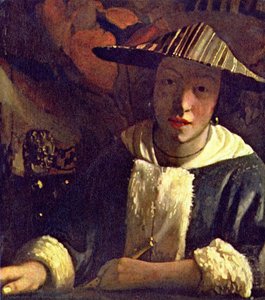
- Delo: Lovljenje pri svečkah
- Kraj izdelave: Nizozemska
- Žanr: Portret
- Štila: Iluzionizem
- Časovni okvir: 1630. letje
Vprašanja in odgovori
Kje lahko najdem umetniška dela, podobna delu "Lov svetlobe" avtorja Andries Both?
Umetninice, podobne delu "Lov svetlobe" avtorja Andries Both, so zbrane na strani Podobna dela te umetnine.
Kdo je avtor dela "Lov svetlobe"?
Avtor dela "Lov svetlobe" je Andries Both. Del je katalogiran pod imenom Andries Both.
Koliko je bil Andries Both let, ko je nastalo delo "Lov svetlobe"?
Andries Both je bil/a star/a 17 let, ko je ustvaril/a "Lov svetlobe" leta 1630. Starost je izračunana na podlagi leta rojstva umetnika, 1613.
Sorodna umetniška dela




Biografija umetnika
A Life Captured in the Shadows of Rome
The life of Andries Both was as transient and dramatic as the scenes he captured on canvas. Born in Utrecht, the son of a glass painter, his early years were steeped in the rich traditions of Dutch craftsmanship. Under the tutelage of Abraham Bloemaert, Both began to refine a vision that would eventually lead him far from the familiar landscapes of the Netherlands. His journey took him through Rouen and ultimately into the heart of Rome, where he became a notable figure among the bamboccianti—a spirited group of Dutch and Flemish painters who found inspiration in the gritty, unvarnished reality of Italian life.
In Rome, Both’s presence was firmly established between 1635 and 1641. He lived a life shared with his brother, Jan, navigating the vibrant artistic circles of the city. The brothers resided on the Via Vittoria, within the parish of San Lorenzo in Lucina, and may have been part of the Bentvueghels, an influential group of artists active in Rome. This period of his life was marked by a deep immersion in the everyday rhythms of the Roman countryside and its lower classes, providing him with a wealth of subject matter that would define his artistic legacy.
The Art of the Bambocciata
Both’s work is celebrated for its Bambocciata style, a genre characterized by small-scale cabinet paintings that depict the more rauceless and often humorous aspects of common life. His brushstrokes were broad and expressive, capable of conveying both a sense of harsh reality and a certain farcical charm. He did not shy away from the seamier side of existence; instead, he embraced it with an eye for detail that could be both objective and outrageous.
His compositions often functioned as subtle moral admonitions. In works such as The Card Players, he masterfully wove together independent narratives to critique social vices. Through the depiction of card-playing—a pastime then equated with idleness and deceit—and suggestive symbols like an egg representing fertility or infidelity, Both invited viewers to contemplate the consequences of immoral behavior. This ability to blend the mundane with the moral gave his work a profound depth that resonated far beyond simple genre painting.
Influences and Artistic Legacy
The lineage of Both’s artistry is a tapestry of great masters. He drew significant inspiration from the 16th-century Netherlandish traditions, particularly the peasant subjects pioneered by Pieter Brueghel the Elder. Furthermore, the influence of Flemish painters like Adriaen Brouwer and Adriaen van Ostade is evident in his caricatural figures and tavern scenes. These influences allowed him to create characters that felt both grounded in reality and heightened by a sense of theatricality.
Though his career was tragically cut short when he died by drowning in a Venetian canal while returning to the Netherlands, his impact on the genre painting tradition remains significant. He helped cultivate a specific aesthetic that found beauty in the overlooked and the unrefined, ensuring that the lives of the common people were etched into the history of European art with both humor and truth.

Andries Both
1613 - 1642 , Netherlands
Hitri podatki
- Artistic Movement Or Style: Bamboccianti, genre painting
- Artists Who Influenced This Artist:
- Abraham Bloemaert
- Pieter Brueghel the Elder
- Adriaen Brouwer
- Full Name: Andries Both
- Nationality: Dutch
- Notable Artworks: ['The Card Players']
- Place Of Birth: Utrecht, Netherlands
- Date Of Birth: 1613
- Date Of Death: 1642
Sorodni članki

Mastering the Dutch Golden Age: An Expert Guide to Iconic Landscapes for Professional Interior Design
Elevate your hospitality or corporate interiors with the timeless beauty of Dutch Golden Age landscapes. Our expert guide explores iconic works by masters like Van Goyen and Swanevelt, perfect for professional designers seeking high-quality, hand-painted oil reproductions.

Mastering Light & Detail: A Definitive Guide to the Dutch Golden Age Art Movement
Explore the mastery of light and detail in Dutch Golden Age art. From Rembrandt's chiaroscuro to Vermeer's realism, discover how these 17th-century techniques inspire our premium, handmade oil painting reproductions for professional interiors and collectors.

10 Iconic Masterpieces That Defined the Dutch Golden Age
Journey through the Dutch Golden Age with 10 iconic masterpieces. From Rembrandt's light to Vermeer's elegance, explore the stories behind these timeless oil paintings and find museum-quality reproductions for your decor. Discover all masterpieces on AllPaintingsStore.com.

25 Must-See Masterpieces at the Mauritshuis: A Journey Through Dutch Golden Age Art
Step into the Dutch Golden Age with our curated guide to the 25 greatest masterpieces at the Mauritshuis. From Vermeer’s luminous light to Rembrandt’s drama, explore the stories behind these iconic works and find museum-quality art inspiration. Discover all masterpieces on AllPaintingsStore.com.

Mastering Light & Shadow: The 25 Greatest Artworks by Rembrandt van Rijn
Immerse yourself in the dramatic chiaroscuro of the Dutch Golden Age. Explore 25 iconic Rembrandt van Rijn masterpieces, from soulful portraits to legendary scenes. Find inspiration for museum-quality art reproductions and decor. Discover all masterpieces on AllPaintingsStore.com.
