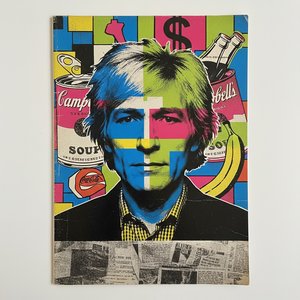
Sito tiskanje.

§ 1Katalogovni podatki


To umetniško delo je zaščiteno z avtorskimi pravicami
Umetniška dela, prikazana na tej strani, so zaščitena z avtorskimi pravicami, kar pomeni, da po zakonu ne moremo ustvarjati ali prodajati identičnih reprodukcij. Ta zaščita se izvaja v skladu z mednarodnimi sporazumi, kot so Bernska konvencija in po nacionalnih zakonih, vključno s tistimi, ki jih določa Zakon o avtorskih pravicah ZDA – naslov 17.
Kot spoštljiva in zakonita alternativa ponujamo prilagojena, ročno slikana umetniška dela, navzornena na original. Naši sposobni in profesionalni umetniki skrbno preučijo stil, vzdušje in umetniško bistvo originala, da ustvarijo novo, edinstveno delo, ki vzbudi enak občutek – pri čemer ostaja popolnoma nova, samostojna izvirna stvar.
Ta način v celoti upošteva zakonodajo o avtorskih pravicah, saj ne vključuje kopiranja ali podvajanja zaščitenga umetniškega dela. Namesto tega gre za kreativno preinterpretacijo – novo sliko, ki je navdihnjen rezultat originala, vendar ni z njim identična.
 Preberi več
§ 2Abstraktno
Opis zbirateljskega predmeta
Odkrijte kultno delo Andy Warhol Flowers – barvno Pop Art mojstrovino. Spoznajte njegovo tehniko in pomembnost v tem čudovitem umetniškem delu.
Biografija umetnika
Odkrijte Andy Warhol (1928-1987) in njegovo ikonično pop umetnost – svilenje Marilyn Monroe, Banke juhe Campbell's & kulturo slavja. Raziščite njegov trajni vpliv na umetnost!
§ 3Komentacija
A Celebration of the Everyday: Decoding Andy Warhol’s “Flowers”
Andy Warhol, a titan of 20th-century art, fundamentally altered our perception of what constitutes ‘art.’ Among his most recognizable and enduring creations, “Flowers” stands as a vibrant emblem of Pop Art's revolutionary spirit. More than just a depiction of botanical beauty, this series is a complex commentary on consumer culture, mass production, and the very nature of originality.Origins & Inspiration: From Photography to Silkscreen
Warhol’s fascination with flowers blossomed in the early 1960s, coinciding with his exploration of silkscreen printing—a technique that would become synonymous with his artistic practice. The initial impetus for “Flowers” stemmed from a photograph of hibiscus blossoms featured in *Modern Photography* magazine (June 1964), captured by Patricia Caulfield. Warhol skillfully cropped and abstracted the image, transforming it into a repeatable motif ripe for mass production. This deliberate choice highlights his interest in appropriating existing imagery and elevating everyday subjects to iconic status.The Technique of Replication: Silkscreen & Pop Art Aesthetics
Warhol’s mastery of silkscreen printing is central to understanding “Flowers.” The process allowed him to create multiple, nearly identical images with subtle variations in color and texture. This deliberate repetition challenges traditional notions of artistic skill and uniqueness, mirroring the mass-produced nature of consumer goods. The flat planes of color, bold outlines, and lack of painterly brushstrokes contribute to a distinctly graphic aesthetic—hallmarks of Pop Art. The resulting image is immediate, visually arresting, and undeniably modern.Pop Art & Cultural Commentary
“Flowers” is quintessentially Pop Art, a movement that emerged in the 1950s and 60s as a reaction against Abstract Expressionism’s perceived elitism. Artists like Warhol, Roy Lichtenstein, and Jasper Johns sought to bridge the gap between “high art” and popular culture by incorporating imagery from advertising, comic books, and everyday objects into their work. By focusing on flowers—a seemingly innocuous subject—Warhol subtly critiques the superficiality of modern life and the pervasive influence of consumerism. The repetition also evokes a sense of detachment, mirroring the impersonal nature of mass production.Symbolism & Emotional Resonance
While appearing simple at first glance, “Flowers” is rich in symbolic meaning. The flower itself has long been associated with beauty, fragility, and the ephemeral nature of life. Warhol’s treatment of the subject—through mechanical reproduction—creates a fascinating tension between these traditional associations and the cold, impersonal world of mass production. The vibrant colors evoke feelings of joy and optimism, yet the repetitive nature can also feel unsettling or even alienating. Ultimately, “Flowers” invites viewers to contemplate the relationship between art, commerce, and the human experience.Legacy & Enduring Appeal
“Flowers” remains one of Warhol’s most beloved and recognizable works, exhibited in museums and private collections worldwide. Its enduring appeal lies in its accessibility, visual impact, and thought-provoking commentary on contemporary culture. The series continues to inspire artists, designers, and collectors alike, solidifying Warhol's place as a pivotal figure in art history.- Andy Warhol: A pioneering artist who redefined the boundaries of art through his innovative use of silkscreen printing and appropriation.
- Pop Art Movement: A revolutionary artistic movement that challenged traditional notions of art by embracing popular culture and mass media.
- Silkscreen Printing: A technique central to Warhol’s style, enabling the mass production of images with subtle variations in color and texture.
Vprašanja in odgovori
Kako priljubljeno je delo "cvetje" v okviru gibanja Pop art?
V okviru gibanja Pop art ima delo "cvetje" Ikonična stopnjo priljubljenosti.
Kako lahko prenesem sliko dela "cvetje" avtorja Andy Warhol?
Digitalno sliko dela "cvetje" avtorja Andy Warhol lahko prenesete na strani za prenos umetninine Prenos digitalne slike: prenos digitalne slike visoke ločljivosti.
Kako nasičena je barvna paleta dela "cvetje"?
Zasičenost barvne palete dela "cvetje" je Živahna barva.
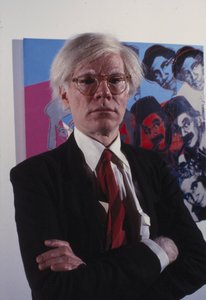


 Preklop na tiskanine


 Za umetniška dela ali reprodukcije, ki so po katerikoli strani širše od 105 cm (približno 41 palč), bo okvir poslan v razstavljeni obliki kot komplet. Ta metoda zagotavlja varno dostavo in preprečuje poškodbe med transportom.