


 Preverite v realnem okolju
 Pošlji kot čestitko
 Deli
Deli
 Podrobnosti
 Guide
Guide

 Prenesi
 Podobni artefakti
 Rentgenski posnetek
 Predvajaj diaporama
 Statistika
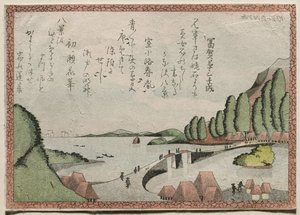
Eight Views of Xiao and Xiang
 Japanese Landscape Painting
 1640
1640 92.0 x 29.0 cm
 Preberi več
Ročno izdelana oljna reprodukcija
Ročno slikano olje na platnu v vaši izbiri velikosti in okvirja, izdelano po naročilu naših umetnikov. ( Preklop na tiskanine Preklop na digitalno sliko)




































Izberite eno od naših vnaprej določenih velikosti, ki ustrezajo prvotnim proporcijam umetničkega dela.

Svoje dimenzije lahko vnesete tako, da se prilagodite določenemu okvirju ali prostoru. Če izbrana velikost ne ustreza razmerjem originalne slike, bomo umetniško delo obrezali ali sliko dopolnili z dodatnimi ročno naslikanimi elementi. Pred začetkom proizvodnje vam bo poslan digitalni osnutek v odobritev.
Upoštevajte, da predogled na zaslonu ne odraža dejanskega obrezovanja ali podaljšanja. Le osnutek bo natančno prikazal končno kompozicijo.
Čeprav so na voljo velikosti po meri, priporočamo izbiro dimenzije s preddefiniranega seznama, da ohranimo originalne razmere.
Po oddaji naročila bo ekipa AllPaintingsStore.com stranki po e-pošti poslala navodila in predogled digitalnega predogleda.
Mednarodna dostava () v 3/4 tednih namesto običajnih 5 tednov. (21 september). Brez kompromisov pri kakovosti.

Brezplačna ekspresna dostava po vsem svetu

Visokokakovostno laneno platno

Popolno zavarovanje pošiljke

Garancija povračila carine in uvoznih davkov

Garancija popolnega barvnega ujemanja

Politika vračila v 100 dneh (le v primeru okvar)

Garancija 100% povračila denarja

Popust pri večjem naročilu
 Možnost stekla je na voljo le za velikosti pod 110 cm

Eight Views of Xiao and Xiang
Tehnika reprodukcije
Velikost reprodukcije
-


Skupna cena
$ 258
Sorodna umetniška dela




Biografija umetnika
early life and influences
araki katsumochi, a prominent figure in japan's early tokugawa period, left an indelible mark on the art world with his genre scenes, historical illustrations, and captivating portraits. born in 1578, katsumochi was the son of araki murashige, a notable daimyō who met a tragic end, leading to katsumochi's adoption of his mother's family name, iwasa.artistic style and technique
katsumochi's work is characterized by its distinctive figures, featuring large heads and delicately drawn features. his unique brush technique, blending tosa and kanō elements, allowed him to excel in both color and monochrome ink-wash painting. despite being trained under kanō naizen of the renowned kanō school, katsumochi's style was more heavily influenced by the tosa school.notable works and legacy
one of katsumochi's most celebrated works is the series of portraits of the thirty-six poetry immortals (1640), commissioned by tokugawa iemitsu for a temple. this masterpiece, signed as "the artist matabei of the later current from tosa mitsunobu," showcases katsumochi's skill in capturing historical events and classical literature.- rakuchu rakugai zu byōbu (funaki version), a national treasure, is held by the tokyo national museum and depicts the kyoto landscape around 1615.
- hōkoku sairei zu byōbu, an important cultural property, is housed in the tokugawa art museum and showcases katsumochi's mastery of capturing festive scenes.
- katsumochi's workshop produced magnificent emakimono (picture scrolls) based on jōruri texts, with masterpieces like yamanaka tokiwa monogatari emaki, jōruri monogatari emaki, and horie monogatari emaki being designated as important cultural properties.
controversy and legacy
there is ongoing debate among scholars regarding whether katsumochi's works are indeed ukiyo-e or not. in japan, he is often regarded as the originator of ukiyo-e, while some theories suggest he was an independent tosa school painter due to his high social class patrons. conclusion katsumochi's enigmatic life and artistic contributions have left a lasting impact on japanese art. his unique style, blending traditional techniques with innovative brushwork, continues to fascinate art enthusiasts worldwide.- explore more of katsumochi's works at https://AllPaintingsStore.com/@/araki-katsumochi
- learn about the tosa school and its influence on japanese art at the kanō school style art movement
- discover more about katsumochi's life and works at iwasa matabei - wikipedia
references
- araki katsumochi, wikipedia, https://en.wikipedia.org/wiki/iwasa_matabei
- the kanō school style art movement, AllPaintingsStore.com, https://AllPaintingsStore.com/@@/a@d3cpbv-history-painting-art-movement
- araki katsumochi's paintings, AllPaintingsStore.com, https://AllPaintingsStore.com/@/araki-katsumochi
related artists and movements
- katsushika isai, a japanese artist known for his landscapes and genre scenes, AllPaintingsStore.com, https://AllPaintingsStore.com/@/katsushika-isai
- the tosa school, a style of japanese art characterized by its use of gold leaf and bold colors, AllPaintingsStore.com, https://AllPaintingsStore.com/@@/a@d3cpbv-history-painting-art-movement

araki katsumochi
1578 - 1650 , Japan
Sorodni članki
The Alchemy of Ink: Mastering the Timeless Beauty and Art History of Paper and Brush
Embark on a sophisticated exploration of ink wash painting and Sumi-e. Uncover the profound historical lineages, Zen philosophies, and technical mastery behind this timeless medium in our authoritative guide for fine art enthusiasts.

Ephemeral Lines: Exploring Emotional Resonance in Ink Sketching Traditions
Explore the profound art of ink sketching! Discover techniques to express emotion, master line work, and cultivate artistic sensitivity. Learn from historical masters & unlock your creative potential.
Ephemeral Expressions: Exploring the Nuances of Ink on Paper Through History & Contemporary Art
Explore the captivating world of ink wash painting – from its ancient origins to contemporary masters. Discover techniques, symbolism & conservation insights with AllPaintingsStore.com.

Mastering the Flow: The Timeless Art of Ink on Paper and the Legacy of Calligraphic Mastery
Explore the profound elegance of ink on paper. From the rhythmic running script of the Ming Dynasty to Zen-inspired haiku, discover the history, technique, and meditative mastery behind the world's most timeless calligraphic traditions.

Mastering Ink on Paper: The Timeless Art of Precision, Flow, and Calligraphic Heritage
Explore the profound mastery of ink on paper. From Japanese haiku traditions to Ming Dynasty calligraphy, discover the delicate balance of precision and flow that defines this timeless art form through an expert historical lens.

