


 Predogled
 Pošlji
 Deli
Deli
 Podrobnosti o delu

 Prenesi
 Podobni izdelki
 Rentgenski posnetek
 Predvajaj diaporama
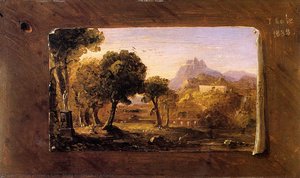
Study

 Razviljaj več
Ročno izdelana oljna reprodukcija
Ročno slikano olje na platnu v vaši izbiri velikosti in okvirja, izdelano po naročilu naših umetnikov. ( Switch to Print Preklop na sliko)




































Izberite eno od naših vnaprej določenih velikosti, ki ustrezajo prvotnim proporcijam umetničkega dela.

Svoje dimenzije lahko vnesete tako, da se prilagodite določenemu okvirju ali prostoru. Če izbrana velikost ne ustreza razmerjem originalne slike, bomo umetniško delo obrezali ali sliko dopolnili z dodatnimi ročno naslikanimi elementi. Pred začetkom proizvodnje vam bo poslan digitalni osnutek v odobritev.
Upoštevajte, da predogled na zaslonu ne odraža dejanskega obrezovanja ali podaljšanja. Le osnutek bo natančno prikazal končno kompozicijo.
Čeprav so na voljo velikosti po meri, priporočamo izbiro dimenzije s preddefiniranega seznama, da ohranimo originalne razmere.
Po oddaji naročila bo ekipa AllPaintingsStore.com stranki po e-pošti poslala navodila in predogled digitalnega predogleda.
Svetska dostava () za 3/4 nedelje umesto uobičajenih 5 nedelja. (8 avgust). Bez kompromisa po pitanju kvaliteta.

Brezplačna ekspresna dostava po vsem svetu

Visokokakovostno laneno platno

Popolno zavarovanje pošiljke

Garancija povračila carine in uvoznih davkov

Garancija popolnega ujemanja barv

60-dnevna politika vračanja (le v primeru napak)

Garancija 100% povračila denarja

Popust pri večjem naročilu
 Možnost stekla je na voljo le za velikosti pod 110 cm

Study
Tehnika reprodukcije
Velikost reprodukcije
-


Skupna končna cena
$ 333
Sorodna umetniška dela




Biografija umetnika
The Roman Visionary: The Life and Legacy of Bartolomeo Pinelli
Bartolomeo Pinelli (1781–1835) remains one of the most evocative voices of the Italian Romantic era, a master whose needle and brush captured the very soul of Rome. Born in the historic district of Trastevere, an area steeped in artistic tradition, Pinelli was destined for a life of creative devotion. His early years were shaped by the influence of his father, a skilled sculptor of religious statuary, who instilled in him a profound respect for the precision of craftsmanship and the weight of classical form. This foundational upbringing allowed Pinelli to bridge the gap between the rigid beauty of Neoclassicism and the burgeoning emotional depth of Romanticism, creating a body of work that feels both timeless and intimately human. His formal journey through the arts took him from the academic halls of Bologna to the prestigious Accademia di San Luca in Rome. It was within these hallowed institutions that he refined his technical prowess, learning to manipulate light and line to tell stories that spanned from the ancient past to the contemporary streets of his beloved city. Upon returning to Trastevere, he established a studio that became a vibrant crucible for artistic exchange, surrounded by a community of craftsmen that would forever inform his meticulous attention to detail. This connection to his roots ensured that even when depicting epic, mythological tragedies, his work remained anchored in a palpable sense of reality and local character.A Tapestry of Roman Life and Classical Grandeur
Pinelli’s artistic evolution is a fascinating study in stylistic transition. His early watercolors occasionally whispered the influence of German Romanticism, particularly through a fascination with the delicate figure work seen in the style of Franz Kaiserman. However, he soon transcended these external influences to forge a singular, independent path. He became a chronicler of the Roman experience, utilizing both watercolor and engraving to document the "costumes and customs" of his era. His prolific output, such as the celebrated 1807 album Scene e Costumi di Roma e del Lazio, serves as a vital historical record, preserving the textures of daily life, the dignity of local attire, and the architectural splendor of the Roman landscape. Beyond the documentation of the everyday, Pinelli possessed a remarkable ability to breathe life into classical narratives. He drew profound inspiration from the epic poetry of Virgil, translating the dramatic tension of the Aeneid into poignant monochrome engravings. In works such as The Mother of Euryalus Receiving the News of His Death or Turnus Over The Bodies Of Alma And Galaesus, he utilized masterful hatching and dynamic line work to convey heroism, sacrifice, and profound grief. These pieces are not merely illustrations of myth; they are psychological studies that use classical settings to explore universal human emotions.Artistic Mastery and Historical Significance
The technical brilliance of Pinelli lies in his ability to balance the monumental with the minute. Whether he was working on a large-scale narrative engraving or a delicate watercolor over graphite, such as his 1817 piece Interior of a Roman Inn, his command over texture and light was unparalleled. His work often features:- Meticulous Detail: An unwavering focus on the intricate patterns of clothing and the weathered surfaces of ancient monuments.
- Narrative Depth: The ability to embed complex emotional arcs within a single, frozen moment of action or reflection.
- Topographical Sensitivity: A deep reverence for the Roman landscape, treating the city not just as a backdrop, but as a living protagonist.

Bartolomeo Pinelli
1781 - 1835 , Italy
Hitri podatki
- Artistic Movement Or Style: Romanticism
- Artists Or Movements Influenced By This Artist: ['Salvatore Rosa']
- Artists Who Influenced This Artist: ['Franz Kaiserman']
- Date Of Birth: November 20, 1781
- Date Of Death: April 1, 1835
- Full Name: Bartolomeo Pinelli
- Nationality: Italian
- Notable Artworks:
- Villa Villoresi Sixth
- Bandits kidnapping a woman
- The Death Of Camilla
- Place Of Birth: Trastevere, Italy



