


 Predogled
 Pošlji
 Deli
Deli
 Podrobnosti o delu

 Prenesi
 Podobni izdelki
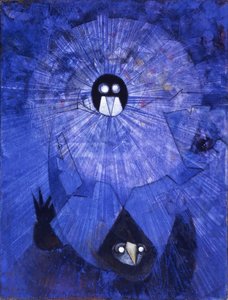
 Rentgenski posnetek
 Predvajaj diaporama
Mandala
 1965
1965 46.0 x 44.0 cm
 Razviljaj več
Kupite digitalno sliko visoke ločljivosti z izboljšano kakovostjo, ki je precej boljša od spletnega predogleda.
Vsaka datoteka je pod natančnim nadzorom naših strokovnjakov, ki uporabljajo napredna orodja in strokovno ročno obdelavo. Zagotovimo, da ima vsaka slika izjemno jasnost, natančnost barv in fine podrobnosti.
Končna datoteka je po e-pošti dostavljena v 72 urah, optimizirana za takojšnjo uporabo v profesionalnem, uredniškem in tiskarskem okolju. To je kakovost, ki ji zaupajo vrhunska oblikovalna studia, založniki in galerije.
Digitalna slika
Prenesite datoteko visoke ločljivosti za osebno uporabo, tiskanje in kreativne projekte. ( Kupi tisk Kupi ročno naslikano sliko)
Vključeno v vsako naročilo digitalne slike
Zagotovljena strokovna digitalna dostava
Ko izberete AllPaintingsStore.com, ne prejmete le slike – prejmete digitalno umetniško delo, ki je profesionalno urejeno, izdelano z natančnostostjo in zavestno zagotovljeno z garancijo za zadovoljstvo. Tukaj je vse, kar samodejno prejmete z vašim naročilom:

Hitra dostava prek e-pošte
Vaša digitalna slika visoke ločljivosti bo na vaš e-naslov poslana v roku 72 ur od zaklopa naročila – pripravljena za takojšnjo uporabo.

Digitalna datoteka z umetno inteligenco
Vaše umetniško delo je strokovno optimizirano z uporabo naprednih orodij umetne inteligence in ročne obdelave, kar zagotavlja največjo stopnjo podrobnosti, jasnosti in barvne natančnosti.

Brezplačna ponovna dostava za vse življenje
Ste zaradi nespremietne napake izgubili ali izbrisali svojo datoteko? Ni težav – vam jo bomo ponovno poslali kadar koli in brezplačno.

Brez uvoznih pristojbin – vedno
Uživajte v svojem umetniškem delu takoj, brez carin, davkov ali stroškov dostave – digitalni prenosi so vedno brezdavčni.

Zagotovilo natančnosti barv
Z uporabo profesionalnih orodij in upravljanja barv zagotavljamo, da vaša digitalna slika čim bolj natančno odraža prvotne barve.

60-dnevna garancija zadovoljstva
Če niste zadovoljni s svojo digitalno sliko, jo bomo uredili ali vam v 60 dneh povrnili 100% denarja – brez kakršnih koli vprašanj.

100% Garancija povračila denarja
Niste zadovoljni? Zagovрите popoln povračilo sredstev v 60 dneh po prejemu digitalne datoteke – brez kakršnih koli vprašanj.

Popusti pri večjem številu naročil
Kupite 3 slike, prihranite 10% - Kupite 5 slik, prihranite 15% - Kupite 10+ slik, prihranite 20%. Odlično za kreativne projekte, galerije in agencije.
Sorodna umetniška dela




Biografija umetnika
Bruce Conner: A Pioneer of Assemblage and Experimental Cinema
Bruce Conner (1933-2008) stands as a pivotal figure in American art, a restless innovator who defied easy categorization and consistently pushed the boundaries of assemblage, film, drawing, and photography. Born in McPherson, Kansas, his life was marked by a profound engagement with both the stark realities of postwar America and the vibrant counterculture of San Francisco – a confluence that deeply informed his artistic vision. Conner’s work isn't simply about objects; it’s an exploration of memory, perception, and the unsettling beauty found in discarded materials, often imbued with layers of social commentary and psychological depth.Early Years and Artistic Formation
Conner’s early life was shaped by a comfortable middle-class existence that ultimately led him to seek artistic expression beyond his hometown. He studied at Wichita University (later Wichita State University) and then at the University of Nebraska, where he earned a Bachelor of Fine Arts degree in 1956. Crucially, it was during this period that he visited New York City, an experience that exposed him to the burgeoning avant-garde scene and profoundly influenced his artistic trajectory. His initial explorations involved traditional painting, but he quickly grew dissatisfied with the constraints of established art forms. The desire for something more immediate and visceral led him to San Francisco in 1957, a city brimming with creative energy and a spirit of rebellion.The Rise of Assemblage and the Rat Bastard Protective Association
San Francisco became Conner’s artistic home, and it was here that he truly emerged as a leading figure within the international assemblage movement. His early assemblages—works like “Venus” (1956), depicting a nude form encased in a clam shell—were immediately provocative, challenging conventional notions of beauty and sexuality. These pieces, often incorporating found objects such as women’s stockings, bicycle wheels, broken dolls, fur, and costume jewelry, were not simply arrangements; they were carefully constructed narratives that hinted at themes of consumerism, societal decay, and the vulnerability of the individual. The designer's gallery in San Francisco played a key role in showcasing these works, with black panels emphasizing the starkness of his drawings and the unsettling beauty of his assemblages. In 1959, Conner founded the Rat Bastard Protective Association (RBPA) alongside fellow artists Jay DeFeo, Michael McClure, Manuel Neri, Joan Brown, Wally Hedrick, Wallace Berman, Jess Collins, and Carlos Villa. The RBPA was a deliberately subversive collective that embraced chance, experimentation, and a rejection of traditional artistic values. The name itself—a playful jab at the established art world—reflected their commitment to challenging conventions and disrupting expectations.Experimental Film and the Legacy of “A Movie”
Conner’s contributions to experimental cinema are equally significant. He began making short films in the late 1950s, employing a distinctive editing style characterized by rapid cuts, fragmented imagery, and a deliberate avoidance of narrative structure. His first film, *A Movie* (1958), is arguably his most famous work—a groundbreaking piece that repurposed discarded newsreels, B-movie clips, and other found footage to create a hauntingly evocative meditation on the experience of watching a movie itself. The film’s use of Ottorino Respighi's *Pines of Rome* as its soundtrack further amplified its emotional impact. *A Movie* wasn’t simply a film; it was an exploration of perception, memory, and the relationship between the viewer and the medium. It remains a cornerstone of experimental cinema and continues to inspire filmmakers today.Later Work and Enduring Influence
Throughout the 1960s and beyond, Conner continued to experiment with a wide range of media, including drawing, photography, and collage. His later works often explored themes of memory, loss, and the fragmented nature of experience. He developed a distinctive style of inkblot drawings—intricate, layered compositions that resembled psychological tests—and created powerful photograms using his own body as the subject. In the 1970s, he revisited the punk rock scene, documenting the energy and rebellion of the era through a series of photographs. Bruce Conner’s legacy extends far beyond his individual works; he fundamentally altered the possibilities of assemblage, experimental film, and conceptual art, leaving an indelible mark on American artistic history. His willingness to embrace chance, challenge conventions, and explore unconventional materials continues to inspire artists today.
Bruce Conner
1933 - 2008 , United States of America
Ključne informacije
- Artistic Movement Or Style: Assemblage, Film, Collage
- Artists Or Movements Influenced By This Artist:
- Experimental Film
- Assemblage Art
- Artists Who Influenced This Artist:
- Surrealism
- Beat Generation
- Date Of Birth: November 18, 1933
- Date Of Death: July 7, 2008
- Full Name: Bruce Conner
- Nationality: American
- Notable Artworks:
- Venus
- A Movie
- Mandala
- Place Of Birth: McPherson, USA



