

- Domov

- Tiskanje na platnu
- cornelis van leemputten
- Shepherdess With Sheep

 Predogled
 Pošlji
 Deli
Deli
 Podrobnosti o delu

 Prenesi
 Podobni izdelki
 Rentgenski posnetek
 Predvajaj diaporama
Shepherdess With Sheep
 Razviljaj več
Giclée tisk / Umetniški tisk
Giclée ali platnati odtis muzejske kakovosti z hitro proizvodnjo in prilagodljivimi možnostmi končne obdelave. ( Preklopite na ročno slikano delo Preklop na sliko)
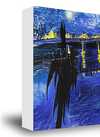
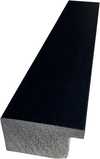
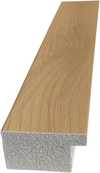
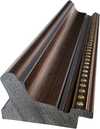
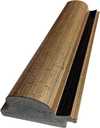
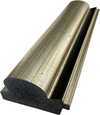
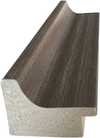
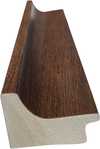
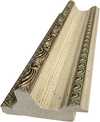
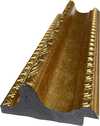
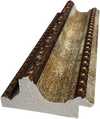
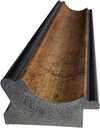
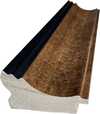
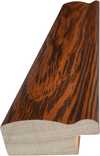
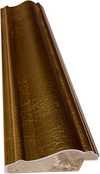

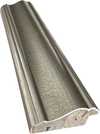
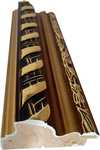
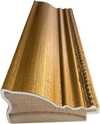
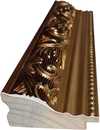
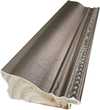
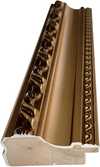
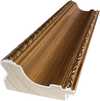
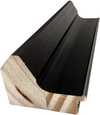
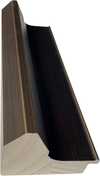
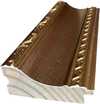
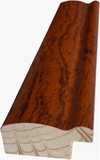
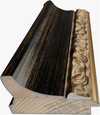
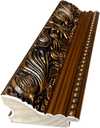
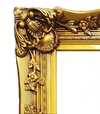
Izberite eno od naših vnaprej določenih velikosti, ki ustrezajo prvotnim proporcijam umetničkega dela.

Svoje dimenzije lahko vnesete sami, da bodo ustrezne za določen okvir ali prostor. Če izbrana velikost ne bo skladna z razmerji izvirne slike, bomo umetniško delo orezali ali podaljšali s pomočjo ogledalnega odraza ali barvno polnega roba. Pred začetkom proizvodnje vam bomo poslali digitalni predogled za potrditev.
Upoštevajte, da predogled na zaslonu ne prikazuje dejanskega orezovanja ali podaljševanja. Le digitalni predogled bo natančno prikazal končno kompozicijo.
Čeprav so na voljo prilagojene velikosti, priporočamo izbiro dimenzije s predhodno določenega seznama, da ohranite prvotna razmerja.
Globalna dostava () v 2 tednih namesto standardnih 4/5 tednov. (3 avgust)

Brezplačna ekspresna dostava po vsem svetu

Visokokakovostno laneno platno

Popolno zavarovanje pošiljke

Garancija povračila carine in uvoznih davkov

Garancija popolnega ujemanja barv

60-dnevna politika vračanja (le v primeru napak)

Garancija 100% povračila denarja

Popust pri večjem naročilu
 Možnost stekla je na voljo le za velikosti pod 110 cm

Shepherdess With Sheep
Giclée tisk / Umetniški tisk
Velikost reprodukcije
-


Skupna končna cena
$ 64
Sorodna umetniška dela


Biografija umetnika
Auguste Renoir: A Painter of Light and Life
Auguste Renoir, born in Limoges on February 25th, 1841, was a pivotal figure in the vibrant tapestry of late 19th-century French art. His life’s work—a dazzling exploration of beauty, emotion, and fleeting moments—ultimately cemented his place as one of the most beloved Impressionist painters. From humble beginnings apprenticed to a porcelain decorator, Renoir's artistic journey was marked by a relentless pursuit of capturing the essence of light and human experience, shaping an aesthetic that continues to resonate today.Early Years and Artistic Foundations
Renoir’s early years were steeped in the traditions of his family’s trade – tailoring – but it was through the influence of his neighbor, Alfred Bruyas, a passionate collector of art, that he first discovered his own artistic inclinations. This introduction sparked a desire to pursue painting, leading him to Paris at the age of four. He began his formal training at the École des Beaux-Arts, initially under Gleyre, where he encountered and befriended fellow artists like Monet, Bazille, and Sisley – figures who would profoundly shape his artistic development. These early years were crucial; Renoir’s apprenticeship exposed him to a new approach to painting—one that emphasized capturing the transient effects of light and atmosphere rather than meticulously detailed representations. The influence of Courbet, with his focus on everyday subjects and rejection of academic conventions, was particularly significant during this formative period.The Impressionist Movement and Artistic Evolution
Renoir’s artistic trajectory truly took flight during the 1870s, aligning him firmly within the burgeoning Impressionist movement. He embraced Monet's revolutionary techniques—working *en plein air*, using broken brushstrokes to depict light and color directly from observation—and developed his own distinctive style characterized by a warm palette, soft modeling, and an emphasis on capturing the joyous spirit of life. The years spent painting alongside Monet along the Seine near Paris proved transformative, leading to the development of their shared Impressionist idiom. However, Renoir’s artistic vision wasn't solely defined by imitation; he brought his own sensibility—a deep appreciation for beauty and a fascination with human emotion—to the movement.Themes and Techniques: Capturing Fleeting Moments
Renoir’s oeuvre is remarkably diverse, encompassing portraits, landscapes, and scenes of Parisian social life. He possessed an extraordinary ability to capture the ephemeral qualities of light and atmosphere, often depicting intimate moments of joy, leisure, and connection. His paintings of dancers, café scenes, and women at their toilette are particularly renowned for their evocative portrayal of human interaction and the beauty of everyday life. Renoir’s technique was characterized by a loose, vibrant brushstroke—a hallmark of Impressionism—and an innovative use of color to create a sense of luminosity and depth. He skillfully employed broken colors and subtle gradations to convey the shimmering effects of light on surfaces, imbuing his paintings with a palpable sense of atmosphere.Later Years and Legacy
As he matured, Renoir’s style evolved, moving away from the purely Impressionistic approach and incorporating elements of classical influence. He spent time in Italy, deeply moved by the works of Raphael and Pompeian frescoes, which informed his later palette and compositional techniques. Returning to France, he established a studio at Essoyes, where he continued to paint until his death on December 3rd, 1919. Despite facing increasing physical challenges in his final years—he suffered from arthritis—Renoir remained dedicated to his art, producing a prolific body of work that continues to captivate audiences worldwide. Auguste Renoir’s legacy extends far beyond the Impressionist movement; he remains an enduring symbol of beauty, joy, and the power of art to capture the essence of human experience. His paintings serve as a testament to his remarkable talent and his unwavering commitment to portraying the world in all its radiant splendor.
cornelis van leemputten
1841 - 1902 , Belgium
Hitri podatki
- Artistic Movement Or Style: Impressionism
- Artists Or Movements Influenced By This Artist:
- Monet
- Bazille
- Cézanne
- Artists Who Influenced This Artist:
- Courbet
- Raphael
- Poussin
- Date Of Birth: 25 February 1841
- Date Of Death: 3 December 1919
- Full Name: Pierre-Auguste Renoir
- Nationality: French
- Notable Artworks:
- Dance at Le Moulin de la Galette
- Bal du moulin de la Galette
- Luncheon of the Boating Party
- Place Of Birth: Limoges, France



