


 Preverite v realnem okolju
 Pošlji kot čestitko
 Deli
Deli
 Podrobnosti
 Guide
Guide

 Prenesi
 Podobni artefakti
 Rentgenski posnetek
 Predvajaj diaporama
 Statistika
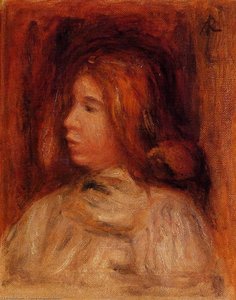
Young Girl with Pink Rose, (painting)

 Preberi več
Ročno izdelana oljna reprodukcija
Ročno slikano olje na platnu v vaši izbiri velikosti in okvirja, izdelano po naročilu naših umetnikov. ( Preklop na tiskanine Preklop na digitalno sliko)




































Izberite eno od naših vnaprej določenih velikosti, ki ustrezajo prvotnim proporcijam umetničkega dela.

Svoje dimenzije lahko vnesete tako, da se prilagodite določenemu okvirju ali prostoru. Če izbrana velikost ne ustreza razmerjem originalne slike, bomo umetniško delo obrezali ali sliko dopolnili z dodatnimi ročno naslikanimi elementi. Pred začetkom proizvodnje vam bo poslan digitalni osnutek v odobritev.
Upoštevajte, da predogled na zaslonu ne odraža dejanskega obrezovanja ali podaljšanja. Le osnutek bo natančno prikazal končno kompozicijo.
Čeprav so na voljo velikosti po meri, priporočamo izbiro dimenzije s preddefiniranega seznama, da ohranimo originalne razmere.
Po oddaji naročila bo ekipa AllPaintingsStore.com stranki po e-pošti poslala navodila in predogled digitalnega predogleda.
Mednarodna dostava () v 3/4 tednih namesto običajnih 5 tednov. (21 september). Brez kompromisov pri kakovosti.

Brezplačna ekspresna dostava po vsem svetu

Visokokakovostno laneno platno

Popolno zavarovanje pošiljke

Garancija povračila carine in uvoznih davkov

Garancija popolnega barvnega ujemanja

Politika vračila v 100 dneh (le v primeru okvar)

Garancija 100% povračila denarja

Popust pri večjem naročilu
 Možnost stekla je na voljo le za velikosti pod 110 cm

Young Girl with Pink Rose, (painting)
Tehnika reprodukcije
Velikost reprodukcije
-


Skupna cena
$ 258
Sorodna umetniška dela



Biografija umetnika
David Gilmour Blythe: A Painter of Shadows and American Truth
In the mid-19th century, as America wrestled with its identity—a nation forged in revolution yet grappling with profound social inequalities—David Gilmour Blythe emerged as a singular voice in the landscape of American art. Unlike many of his contemporaries who sought to romanticize the frontier or celebrate national grandeur, Blythe chose instead to confront the darker realities of his time: poverty, corruption, and the unsettling contradictions at the heart of the burgeoning republic. A self-taught artist born in East Liverpool, Ohio, in 1815, Blythe’s career was marked by both remarkable talent and a profound sense of disillusionment, ultimately culminating in a body of work that remains hauntingly relevant today.
Blythe's early life offered little indication of the artistic path he would eventually tread. His parents, Susan and John Blythe, were Irish and Scottish immigrants who eked out a living through farming and cooperage. Raised in a modest log cabin by the Ohio River, David’s childhood was steeped in the rhythms of rural life—a stark contrast to the burgeoning industrial centers that were rapidly transforming the American landscape. Despite his humble beginnings, Blythe received a basic education, fueled by his mother's desire for him to acquire knowledge and wisdom. This early exposure to learning would later inform his satirical approach to depicting societal ills.
At sixteen, Blythe apprenticed himself to Joseph Woodwell, a woodcarver in Pittsburgh—a pivotal moment that introduced him to the world of craftsmanship and provided him with valuable technical skills. However, Blythe’s restless spirit soon led him away from the confines of the city. He spent several years wandering through the Midwest, seeking a place where he could find peace and purpose. This period of itinerant existence exposed him to a diverse range of experiences—from the bustling port cities of New Orleans to the quiet backwaters of Ohio—and undoubtedly shaped his artistic sensibilities.
The Navy Years and Early Portraits
In 1837, Blythe enlisted in the United States Navy, serving aboard the USS Ontario for three years. His naval service took him to Caribbean islands and Mexico, broadening his horizons and providing him with a unique perspective on American society. Upon his discharge, he returned to East Liverpool and briefly pursued work as a portrait painter—a profession that would serve as the foundation of his artistic career. These early portraits, characterized by their stiff formality and somewhat awkward compositions, reflect Blythe’s limited formal training but also reveal a nascent talent for capturing likenesses and conveying personality.
Despite his initial success as a portraitist, Blythe soon grew restless and began to seek new challenges. He embarked on a period of travel throughout Pennsylvania and Ohio, honing his skills and experimenting with different styles. It was during this time that he developed his distinctive satirical voice—a sharp critique of human folly and social injustice. His portraits from this era are notable for their subtle irony and understated humor.
The Rise of Satire and Social Commentary
By the mid-1850s, Blythe’s artistic focus shifted dramatically. Influenced by his travels and experiences, he began to paint scenes that exposed the darker side of American life—the poverty, corruption, and social inequalities that were rampant in rapidly growing cities like Pittsburgh. His subjects ranged from street urchins and beggars to corrupt politicians and unscrupulous businessmen. Blythe’s paintings are not sentimental depictions of hardship; rather, they are biting critiques of societal flaws, often rendered with a stark realism and unflinching honesty.
Blythe's most famous works during this period include “Crime & Punishment,” a haunting grayscale portrait capturing the isolation and despair of an elderly man. The painting’s muted tones and somber composition evoke a sense of melancholy and resignation, reflecting Blythe’s own disillusionment with American society. “Pittsburgh Piety” is another significant example of his satirical style—a dramatic depiction of a religious procession that exposes the hypocrisy and superficiality of organized religion. These paintings were not merely artistic exercises; they were deliberate acts of social commentary, intended to provoke thought and challenge conventional values.
The Panorama and Final Years
In an ambitious attempt to establish himself as a major artist, Blythe invested considerable time and resources in creating a large-scale panorama—a moving canvas depicting scenes from American history and mythology. The panorama, which toured various cities throughout the Midwest, was a complex undertaking involving intricate painting techniques and elaborate mechanical devices. However, despite Blythe’s efforts, the panorama ultimately failed to achieve commercial success, leading to financial ruin and further exacerbating his personal struggles.
Following the failure of his panorama, Blythe returned to East Liverpool and continued to paint portraits and occasionally engage in poetry. His later works are characterized by a greater sense of maturity and sophistication—reflecting his accumulated experience and artistic growth. Despite facing numerous hardships and setbacks, Blythe remained committed to his art until his death in 1865, leaving behind a legacy of powerful and unsettling images that continue to resonate with viewers today. His final works are often imbued with a sense of melancholy and resignation, perhaps reflecting the profound disillusionment he felt towards the direction of American society.
Legacy and Significance
David Gilmour Blythe’s work is now recognized as a significant contribution to American art—a rare example of an artist who dared to confront uncomfortable truths about his nation's past. His satirical style, combined with his unflinching realism, offers a unique perspective on the social and political landscape of 19th-century America. Blythe’s paintings are not merely aesthetically pleasing; they are powerful reminders of the challenges faced by marginalized communities and the enduring need for critical reflection.
Blythe's legacy extends beyond his artistic achievements. He is remembered as a poet, a craftsman, and a man of profound integrity—a figure who embodied both the promise and the contradictions of the American experiment. His work continues to inspire artists and scholars alike, prompting us to examine our own history with honesty and compassion.

david gilmour blythe
1815 - 1865
Ključne informacije
- Artistic Movement Or Style: Satirical painting
- Artists Or Movements Influenced By This Artist: ['Romanticism']
- Artists Who Influenced This Artist:
- Longfellow
- Poe
- Date Of Birth: May 9, 1815
- Date Of Death: May 15, 1865
- Full Name: David Gilmour Blythe
- Nationality: American
- Notable Artworks:
- Crime & Punishment
- Pittsburgh Piety
- Place Of Birth: East Liverpool, Ohio
Sorodni članki

The Subdued Palette: Exploring Emotional Resonance & Aesthetic Impact in Muted Artworks
Explore the power of muted colors in art! Discover the history, psychology & techniques behind serene palettes. Find inspiration & expert advice for creating emotionally resonant spaces with AllPaintingsStore.

The Subdued Resonance: Exploring Emotional Depth & Artistic Nuance within Muted Color Palettes
Explore the captivating world of muted colors in art & design! Discover historical context, psychological effects, techniques, and inspiration for creating serene spaces. Elevate your aesthetic with AllPaintingsStore.

Blush & Brilliance: 10 Iconic Paintings Dominated by Light Pink Tones |
Explore 10 iconic paintings bathed in captivating light pink tones! From Monet's Impressionism to Renoir’s romance, discover the stories behind these blush-hued masterpieces. Find museum-quality art reproductions & decor inspiration at .

Timeless Innocence: An Expert Exploration of the Most Iconic Portraits of Young Girls in Art History
Journey through art history with an expert exploration of iconic portraits of young girls. From Mary Cassatt to Renoir, uncover the profound beauty of childhood in art. Discover museum-quality, hand-painted oil reproductions and bespoke commissions for the discerning collector.

The Enduring Legacy of Oil on Canvas: Technique, History & Aesthetic Impact
Explore the rich history & techniques of oil painting – from Renaissance masters to Impressionism. Discover pigments, layering methods, and why this timeless medium endures. Expert insights for artists & art enthusiasts.

