


 Preverite v realnem okolju
 Pošlji kot čestitko
 Deli
Deli
 Podrobnosti
 Guide
Guide

 Prenesi
 Podobni artefakti
 Rentgenski posnetek
 Predvajaj diaporama
 Statistika
The Assumption of the Virgin
 High Renaissance
 1500
1500 162.0 x 68.0 cm
 Szépművészeti Múzeum
 Preberi več
Ročno izdelana oljna reprodukcija
Ročno slikano olje na platnu v vaši izbiri velikosti in okvirja, izdelano po naročilu naših umetnikov. ( Preklop na tiskanine Preklop na digitalno sliko)




































Izberite eno od naših vnaprej določenih velikosti, ki ustrezajo prvotnim proporcijam umetničkega dela.

Svoje dimenzije lahko vnesete tako, da se prilagodite določenemu okvirju ali prostoru. Če izbrana velikost ne ustreza razmerjem originalne slike, bomo umetniško delo obrezali ali sliko dopolnili z dodatnimi ročno naslikanimi elementi. Pred začetkom proizvodnje vam bo poslan digitalni osnutek v odobritev.
Upoštevajte, da predogled na zaslonu ne odraža dejanskega obrezovanja ali podaljšanja. Le osnutek bo natančno prikazal končno kompozicijo.
Čeprav so na voljo velikosti po meri, priporočamo izbiro dimenzije s preddefiniranega seznama, da ohranimo originalne razmere.
Po oddaji naročila bo ekipa AllPaintingsStore.com stranki po e-pošti poslala navodila in predogled digitalnega predogleda.
Mednarodna dostava () v 3/4 tednih namesto običajnih 5 tednov. (21 september). Brez kompromisov pri kakovosti.

Brezplačna ekspresna dostava po vsem svetu

Visokokakovostno laneno platno

Popolno zavarovanje pošiljke

Garancija povračila carine in uvoznih davkov

Garancija popolnega barvnega ujemanja

Politika vračila v 100 dneh (le v primeru okvar)

Garancija 100% povračila denarja

Popust pri večjem naročilu
 Možnost stekla je na voljo le za velikosti pod 110 cm

The Assumption of the Virgin
Tehnika reprodukcije
Velikost reprodukcije
-


Skupna cena
$ 808
Artistic Style and Influences
Defendente Ferrari's style is characterized by his use of vivid colors and intricate details, which are evident in The Assumption of the Virgin. The painting showcases the artist's ability to blend Italian and Northern European influences, creating a unique and captivating visual experience. Ferrari's work was heavily influenced by the likes of Albrecht Dürer and Raphaël, which is reflected in his attention to detail and use of symbolism. Key Features of the Painting The painting depicts the Virgin Mary ascending into heaven, surrounded by angels and a group of mourners. The use of tempera on wood allows for a level of detail and texture that is remarkable for its time. The Assumption of the Virgin is a prime example of Ferrari's skill as a painter and his ability to convey complex emotions through his art.Artistic Significance and Legacy
Defendente Ferrari's The Assumption of the Virgin is not only a beautiful work of art but also an important piece of history. It showcases the artist's contribution to the High Renaissance movement and his influence on future generations of artists. For more information on Defendente Ferrari and his works, visit AllPaintingsStore.com or check out his profile on Wikipedia.- View more of Defendente Ferrari's works on AllPaintingsStore.com
- Learn more about the Szépmûvészeti Múzeum and its collection on Wikipedia
The Assumption of the Virgin is a must-see for art lovers and historians alike. Its beauty, significance, and historical importance make it a true masterpiece of the High Renaissance period.
Sorodna umetniška dela


Biografija umetnika
Defendente Ferrari: Bridging Gothic Darkness and Renaissance Light
In the quiet, mist-shrouded landscapes of Piedmont during the turn of the sixteenth century, a profound artistic metamorphosis was taking place. At the heart of this transition stood Defendente Ferrari, an artist whose brush served as a bridge between the austere, somber traditions of the late Gothic era and the luminous, humanistic ideals of the High Renaissance. Born near Chivancasso, close to Turin, around 1480 or 1485, Ferrari emerged from the prestigious workshop of Giovanni Martino Spanzotti. This formative apprenticeship was crucial; it provided him with a foundation in the established artistic currents of western Piedmont, yet it also planted the seeds for his eventual departure from the rigid, darker aesthetics of his predecessor toward something far more fluid and radiant.
Ferrari’s early career was defined by a mastery of the polyptych and the altarpiece, formats that allowed him to command large ecclesiastical spaces with spiritual gravity. His work from this period often reflects a deep engagement with Northern European influences, particularly the meticulous detail and symbolic depth found in the works of Rogier van der Weyden. This synthesis of Italian structure and Flemish precision is perhaps most breathtakingly realized in his nocturnal compositions. In masterpieces such as Nativity in Nocturnal Light (1510), Ferrari demonstrates an uncanny ability to manipulate shadow and soft, dense highlights, creating a sense of divine presence through the subtle interplay of darkness and unexpected illumination.
A Mastery of Light and Devotion
As his career progressed, the stylistic evolution of Ferrari became a mirror to the broader cultural shifts sweeping through Italy. The harsh, angular lines characteristic of the Gothic tradition gradually gave way to more graceful, rhythmic compositions and a softer, more atmospheric approach to light. This development was not merely technical but deeply emotional, as he sought to convey profound spiritual truths through a more humanized lens. His later works began to reflect the influence of Macrino d’Alba, incorporating the burgeoning humanist aesthetic that favored anatomical grace and a more naturalistic depiction of the divine.
The technical brilliance of his oeuvre is most evident in his use of tempera on wood panel, a medium that demanded extreme precision. In works such as The Madonna and Child with St Anne (1528), one can observe an adeptness at capturing ethereal light that seems to emanate from within the figures themselves. His ability to weave together complex narratives—often involving musical angels, saints, and sacred landscapes—transformed altarpieces into immersive windows of devotion. Through his meticulous attention to texture and color, Ferrari ensured that each commission was not just a religious object, but a profound sensory experience for the faithful.
Legacy and Historical Significance
The historical importance of Defendente Ferrari lies in his role as a stylistic conduit. He did not merely follow trends; he synthesized them, creating a unique Piedmontese vernacular that honored the past while embracing the future. His ability to integrate the monumental grandeur of the High Renaissance with the intimate, detailed storytelling of the North allowed him to leave an indelible mark on the regional art history of Italy. Today, his surviving works, scattered across museums from Turin to Budapest, serve as vital evidence of a period when the shadows of the Middle Ages were being gracefully pushed back by the dawn of a new, enlightened era.
To understand Ferrari is to understand the very pulse of the Piedmontese Renaissance. His achievements can be summarized through several key pillars of his artistry:
- Stylistic Synthesis: The seamless blending of Northern European Flemish detail with Italian Renaissance humanism.
- Technical Innovation: The masterful use of nocturnal lighting and soft highlights to evoke spiritual emotion.
- Ecclesiastical Impact: The creation of monumental polyptychs that redefined the visual language of Piedmontese altarpieces.
- Artistic Lineage: His role in evolving the workshop traditions of Spanzotti into a more modern, fluid painterly style.

Defendente Ferrari
1490 - 1540 , Italy
Ključne informacije
- Artistic Movement Or Style: Renaissance Art; Late Gothic Style
- Artists Who Influenced This Artist:
- Giovanni Martino Spanzotti
- Rogier van der Weyden
- Macrino d'alba
- Date Of Birth: c. 1490
- Date Of Death: 1540
- Full Name: Defendente Ferrari
- Nationality: Italian
- Notable Artworks:
- The Madonna and Child with St Anne
- The Assumption of the Virgin
- Madonna and Child
- Place Of Birth: Turin, Italy
Sorodni članki

Italian Baroque Art: A Procurement Guide to Dramatic Masterpieces for High-End Hotel Interiors
Elevate hospitality interiors with Italian Baroque masterpieces. A professional procurement guide for hotel designers sourcing high-quality Caravaggio-style oil reproductions, multi-panel sets, and custom large-scale art with reliable global logistics and bulk order efficiency.

Italian Renaissance Art: A Procurement Guide to Timeless Masterpieces for High-End Hotel Interiors
A professional procurement guide for hotel designers seeking Italian Renaissance masterpieces. Discover how to utilize chiaroscuro, custom oil reproductions, and large-scale murals to elevate hospitality interiors with timeless, high-impact classical art.
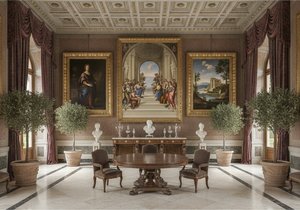
High Renaissance Art: A Professional Guide to Mastering Balance, Scale, and Composition for Luxury Interior Design
Elevate luxury hospitality with High Renaissance art. Our expert guide explores using classical balance, scale, and sfumato to create timeless hotel interiors through premium, hand-painted oil reproductions and custom architectural solutions for professional designers.

