1933. Acrylic On Canvas, 92.0 x 127.0 cm.

§ 1Katalogovni podatki

- 92.0 x 127.0 cm


To umetniško delo je zaščiteno z avtorskimi pravicami
Umetniška dela, prikazana na tej strani, so zaščitena z avtorskimi pravicami, kar pomeni, da po zakonu ne moremo ustvarjati ali prodajati identičnih reprodukcij. Ta zaščita se izvaja v skladu z mednarodnimi sporazumi, kot so Bernska konvencija in po nacionalnih zakonih, vključno s tistimi, ki jih določa Zakon o avtorskih pravicah ZDA – naslov 17.
Kot spoštljiva in zakonita alternativa ponujamo prilagojena, ročno slikana umetniška dela, navzornena na original. Naši sposobni in profesionalni umetniki skrbno preučijo stil, vzdušje in umetniško bistvo originala, da ustvarijo novo, edinstveno delo, ki vzbudi enak občutek – pri čemer ostaja popolnoma nova, samostojna izvirna stvar.
Ta način v celoti upošteva zakonodajo o avtorskih pravicah, saj ne vključuje kopiranja ali podvajanja zaščitenga umetniškega dela. Namesto tega gre za kreativno preinterpretacijo – novo sliko, ki je navdihnjen rezultat originala, vendar ni z njim identična.
 Preberi več
§ 2Abstraktno
Opis zbirateljskega predmeta
Biografija umetnika
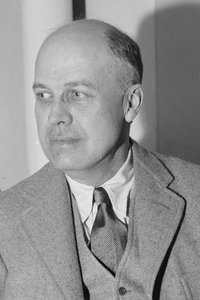
Edward Hopper: Ameriški slikar znan po svoji spretnosti pri zajemanju osamljenosti in urbanskega življenja skozi svoje ikonične slike kot Nighthawks ter njegovo jedrarno umetnost. Raziskoval je teme izolacije, nostalgije za prejšnjim časom.
§ 3Komentacija
A Portrait of Rural Isolation – Edward Hopper’s Ryder’s House
Edward Hopper’s “Ryder’s House,” completed in 1933, stands as a quintessential emblem of American Realism during the Depression era. More than just a depiction of a simple farmhouse nestled within a tranquil field, it's a masterful exploration of solitude and unspoken emotion—themes that would become hallmarks of Hopper’s oeuvre and continue to resonate with audiences today.
- Subject Matter: The painting centers around a modest white house adorned with a vibrant red door, positioned prominently in the middle of an expansive expanse of grass. Two chimneys punctuate the roofline on either side, anchoring the composition while simultaneously emphasizing the building’s isolation against the vastness of nature.
- Style: Hopper's signature style—characterized by stark lighting and geometric precision—is evident throughout “Ryder’s House.” The artist eschews dramatic narratives or exuberant color palettes, opting instead for a restrained aesthetic that prioritizes observation and psychological depth. This deliberate simplicity serves to heighten the painting’s emotional impact.
- Technique: Executed in oil on canvas, Hopper employs meticulous brushwork—often subtle and blended—to capture the textures of the house’s surfaces and the muted tones of the surrounding landscape. The artist skillfully utilizes chiaroscuro – the interplay between light and shadow – to sculpt form and convey a sense of stillness and melancholy.
Historical Context: Depression-Era America
Painted during the Great Depression, “Ryder’s House” reflects the pervasive anxieties and uncertainties of the time. Hopper's depiction of rural life—characterized by quiet desperation and unspoken longing—captures a mood that mirrored the experiences of many Americans grappling with economic hardship and social displacement. The painting speaks to a broader cultural preoccupation with themes of alienation and detachment.
Symbolism: Light, Shadow, and Absence
The dominant use of light in “Ryder’s House” is particularly significant. Hopper illuminates the interior space with a cool, diffused glow that casts long shadows across the walls—creating an atmosphere of profound stillness and hinting at hidden narratives. The absence of human figures contributes to the painting's sense of isolation, prompting viewers to contemplate the unspoken emotions conveyed by the scene.
Emotional Impact: A Meditation on Loneliness
"Ryder’s House" transcends mere visual representation; it invites contemplation and introspection. Hopper’s masterful composition—coupled with his subtle manipulation of light and shadow—elicits a feeling of melancholy and yearning, capturing the essence of human experience in its most vulnerable form. It remains a powerful reminder that beauty can reside in quietude and that art possesses the capacity to illuminate the complexities of the human condition.
Vprašanja in odgovori
Ali ima "Ryder's House" močne svetlo-temne kontraste?
Svetlo-temni kontrast dela "Ryder's House" je zabeležen kot Bold. Kontrast opisuje stopnjo razlike med svetlim in temnimi conami.
Kdo je ustvaril "Ryder's House" in v letu katerega?
Edward Hopper je ustvaril "Ryder's House" leta 1933.
V kateri umetniški smer pripadajo "Ryder's House" avtorja Edward Hopper?
Umetnostni smer, ki jo zastopa "Ryder's House" avtorja Edward Hopper, je Contemporary Realism. Ta klasifikacija delo uvršča med sorodne umetnike in umetniška dela.


 Preklop na tiskanine


 Za umetniška dela ali reprodukcije, ki so po katerikoli strani širše od 105 cm (približno 41 palč), bo okvir poslan v razstavljeni obliki kot komplet. Ta metoda zagotavlja varno dostavo in preprečuje poškodbe med transportom.