


 Preverite v realnem okolju
 Pošlji kot čestitko
 Deli
Deli
 Podrobnosti
 Priročnik

 Prenesi
 Podobni artefakti
 Rentgenski posnetek
 Predvajaj diaporama
 Statistika
River By Mooonlight

 Preberi več
Giclée tisk / Umetniški tisk
Giclée ali platnati odtis muzejske kakovosti z hitro proizvodnjo in prilagodljivimi možnostmi končne obdelave. ( Naročite ročno slikano reprodukcijo Preklop na digitalno sliko)




P118B €10

P118H €10

P118W €10

P438Z €10

P508JH €12

P508YH €12

P805H €10

P805Z €10

P919BZ €10

P919G €10

P919XJ €10

P959ZH €10

P968JZ €12

W106C €8

W218G €10

W218JH €8

W218Y €10

W307PJ €10

W316G €10

W316PJ €8

W316Y €10

W398PJ €8

W4111J €10

W500HY €15

W500JH €15

W692G €12

W849H €8

W940BG €15

W953PJ €8




Izberite eno od naših vnaprej določenih velikosti, ki ustrezajo prvotnim proporcijam umetničkega dela.

Vnesite širino in višino, ki jih potrebujete za svoj okvir ali steno. Tiskanje se lahko le odreže, vendar ga ni mogoče narediti večjega od slike, zato format z drugačno obliko pomeni izgubo dela slike. Pred tiskanjem vam pošljemo digitalni predogled za potrditev. Slika, prikazana na tej strani, ne prikazuje dejanskega izrezkov — le predogled to omogoča.
Globalna dostava () v 2 tednih namesto standardnih 4/5 tednov. (26 oktober)

Brezplačna ekspresna dostava po vsem svetu

Visokokakovostno laneno platno

Popolno zavarovanje pošiljke

Garancija povračila carine in uvoznih davkov

Garancija popolnega barvnega ujemanja

Politika vračila v 100 dneh (le v primeru okvar)

Garancija 100% povračila denarja

Popust pri večjem naročilu
 Možnost stekla je na voljo le za velikosti pod 110 cm

River By Mooonlight
Giclée tisk / Umetniški tisk
Velikost reprodukcije
-


Skupna cena
€ 56
Sorodna umetniška dela


Biografija umetnika
A Legacy of Light and Landscape: The Life of Edward Williams
The history of British landscape painting is often told through the grand sweeping gestures of the Romantics, yet within the intimate, atmospheric textures of the Barnes School, one finds a profound mastery of the English spirit. At the heart of this movement stood Edward Williams (1782–1855), an artist whose brush captured not merely the topography of the land, but the very breath of the countryside. Born in Worcester and later establishing himself within the vibrant artistic circles of London, Williams was a man whose life was deeply intertwined with the traditions of craftsmanship and the evolving sensibilities of the Victorian era. As a descendant of a lineage of artistic excellence, his journey was one of both inheritance and individual innovation, moving from the precise discipline of engraving to the evocative, fluid realms of oil painting.
Williams’s early years were marked by a rigorous immersion in the technical foundations of art. Alongside his father, an engraver of notable skill, he learned the delicate language of line and shadow. This early training in printmaking bestowed upon him a unique ability to render fine detail without sacrificing the broader emotional resonance of his subjects. His formative experiences, which included studying the artistic currents flowing through Europe, allowed him to synthesize the meticulousness of English tradition with the luminous, atmospheric qualities found in the works of the Dutch Golden Age masters. This fusion became the hallmark of his style, characterized by a remarkable use of atmospheric perspective—a technique where distant hills dissolve into soft, hazy blues and light seems to scatter through a humid, summer air, pulling the viewer deep into the canvas.
The Thames and the Mastery of Atmosphere
Nowhere is Williams’s genius more evident than in his devotion to the River Thames and its surrounding environs. He possessed an uncanny ability to capture the shifting moods of the water, from the tranquil, sun-drenched reaches of a summer afternoon to the brooding, nocturnal mysteries of a moonlit riverbank. His compositions often featured the rhythmic movement of Dutch-style barges, rustic timber-framed cottages, and the gentle sway of windswept oak trees, creating a sense of pastoral peace that offered a psychological respite from the encroaching industrialization of his age. In works such as “Dutch Barges near a Beach”, one can almost feel the dampness of the river mist and hear the soft lapping of waves against the shore.
Beyond the purely aesthetic, Williams’s work was imbued with a sense of narrative and social observation. While he is celebrated for his idyllic scenery, he was also an artist of keen intellect who utilized his skills to engage with the turbulent politics of his time. His foray into political cartooning, such as the biting “The Rats Leaving a Falling House,” demonstrated a capacity for symbolism and social commentary that mirrored the anxieties of a nation navigating profound political shifts. This duality—the ability to paint both the serene beauty of a woodland glade and the sharp, satirical edge of a political critique—marks him as a truly multifaceted creator whose work bridged the gap between fine art and social discourse.
A Patriarch of the Barnes School
The significance of Edward Williams extends far beyond his individual canvases; he was the patriarch of a remarkably gifted artistic dynasty. His influence permeated the works of his children, most notably Edward Charles Williams, whose early style so closely mirrored his father’s that distinguishing between their woodland scenes remains a delightful challenge for art historians today. This familial continuity helped solidify the Barnes School as a cohesive and influential movement within British art, characterized by a shared devotion to the beauty of the natural world and a refined approach to light and texture.
Today, the legacy of Edward Williams survives in the enduring charm of his landscapes, which continue to evoke a sense of nostalgia for a lost, pastoral England. His contributions to the development of landscape painting—blending the precision of an engraver with the soul of a poet—ensure his place in the pantheon of great British artists. To look upon a Williams landscape is to witness a moment frozen in time, where the light of the nineteenth century still dances upon the surface of a quiet river, inviting us to rediscover the timeless majesty of the English countryside.

Edward Williams
1828 - 1910 , United Kingdom
Ključne informacije
- Full Name: Edward Williams Clay
- Nationality: British
- Date Of Birth: 1828
- Date Of Death: 1910
- Place Of Birth: Worcester, United Kingdom
- Notable Artworks:
- Dutch Barges near a Beach
- Off the Coast of Leghorn
- River Bank with Cottage
- Artistic Movement Or Style: Victorian Landscape Painting
- Artists Or Movements Influenced By This Artist: ['Barnes School']
Sorodni članki

Romantična pokrajina: 10 mojstrovin, ki so definirale gibanje | Umetnost za vaš dom z AllPaintingsStore.com
Odkrijte 10 mojstrovin romantizma v slikarstvu! Caspar David Friedrich, Turner in drugi. Preučite zgodbe, tehnike in čustva teh ikoničnih krajinskih slik. Kvalitetne reprodukcije za vaš dom na AllPaintingsStore.com

Edward Hopper: 25 Mojstrovskih Del Ameriške Moderne | AllPaintingsStore
Odkrijte 25 mojstrovskih del Edwarda Hopperja – ikonične slike ameriške moderne. Preberite zgodbe, tehnike in navdih za te brezčasne umetnine. Reprodukcije slik visoke kakovosti na AllPaintingsStore.com! Raziskajte celotno zbirko online.
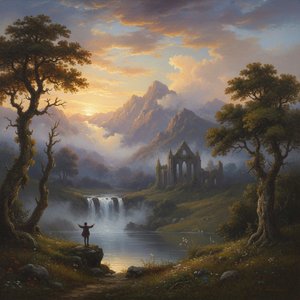
Evoking Emotion & Transcendence: Romantic Landscape Painting (18th-19th Century)
Explore the emotional depth of Romantic landscape painting (18th-19th century). Discover key artists like Friedrich & Cole, and the concepts of the sublime. Expert insights for art lovers & collectors.

The Hudson River School: A Definitive Guide to America's Romantic Landscape Tradition
Explore the profound legacy of the Hudson River School. Discover how masters like Thomas Cole captured the American sublime through Romanticism and Luminism. A definitive guide for art historians and collectors seeking to understand America's wild beauty.
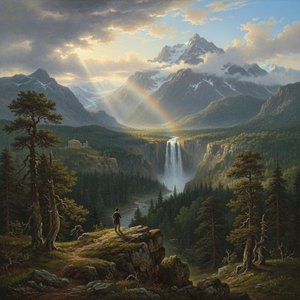
Evoking Nature's Sublime: A Comprehensive Exploration of 19th-Century Landscape Painting
Explore the captivating world of 19th-century landscape painting! Discover renowned artists like Friedrich & Monet, key movements, and find the perfect artwork to bring nature's serenity into your home. Expert insights at AllPaintingsStore.

