Jamstvo za povračilo denarja · 100 dni Brezplačna svetovna dostava
449.582umetninine 30.616umetniki 4.660muzeji 32jeziki
Valuta
    Jezik
      Atelje · Zakor. 2015 · Pariz, Francija
      AllPaintingsStore
      allpaintingsstore.com
      Preverite v realnem okolju Predogled v AR Preklop na tiskanine Preklop na digitalno sliko Pošlji kot čestitko
      Podrobnosti Priročnik Dodaj v priljubljene Prenesi Podobni artefakti Rentgenski posnetek Predvajaj diaporama Statistika

      Basic Calculus

      Experience the dynamic red letters of El Lissitzky's 1928 Constructivist masterpiece, Basic Calculus, a vibrant journey into Russian avant-garde art you can own.

      El Lissitzky (1890-1941): Ruski umetnik avangarde znan za Suprematizem, Konstruktivizem in Proun. Raziskujte njegovo Bauhaus vlogo, tipografijo, fotomonografijo ter pomembne dizajnske ideje.

      Ročno izdelana oljna reprodukcija

      Ročno slikano olje na platnu v vaši izbiri velikosti in okvirja, izdelano po naročilu naših umetnikov. ( Preklop na tiskanine Preklop na digitalno sliko)

      Corner sample of the P118B picture frame: izoblit polistiren, 5 cm wide and 3 cm thick
      P118B 10
      Corner sample of the P118H picture frame: izoblit polistiren, 5 cm wide and 3 cm thick
      P118H 10
      Corner sample of the P118W picture frame: izoblit polistiren, 5 cm wide and 3 cm thick
      P118W 10
      Corner sample of the P438Z picture frame: izoblit polistiren, 5.5 cm wide and 3.5 cm thick
      P438Z 10
      Corner sample of the P508JH picture frame: izoblit polistiren, 7 cm wide and 3.5 cm thick
      P508JH 12
      Corner sample of the P508YH picture frame: izoblit polistiren, 7 cm wide and 3.5 cm thick
      P508YH 12
      Corner sample of the P805H picture frame: izoblit polistiren, 5 cm wide and 3.5 cm thick
      P805H 10
      Corner sample of the P805Z picture frame: izoblit polistiren, 5 cm wide and 3.5 cm thick
      P805Z 10
      Corner sample of the P919BZ picture frame: izoblit polistiren, 7 cm wide and 3.5 cm thick
      P919BZ 10
      Corner sample of the P919G picture frame: izoblit polistiren, 7 cm wide and 3.5 cm thick
      P919G 10
      Corner sample of the P919XJ picture frame: izoblit polistiren, 7 cm wide and 3.5 cm thick
      P919XJ 10
      Corner sample of the P959ZH picture frame: izoblit polistiren, 5 cm wide and 3 cm thick
      P959ZH 10
      Corner sample of the P968JZ picture frame: izoblit polistiren, 6 cm wide and 4 cm thick
      P968JZ 12
      Corner sample of the W106C picture frame: masivno drevo, 5 cm wide and 3 cm thick
      W106C 8
      Corner sample of the W218G picture frame: masivno drevo, 5 cm wide and 3 cm thick
      W218G 10
      Corner sample of the W218JH picture frame: masivno drevo, 5 cm wide and 3 cm thick
      W218JH 8
      Corner sample of the W218Y picture frame: masivno drevo, 5 cm wide and 3 cm thick
      W218Y 10
      Corner sample of the W307PJ picture frame: masivno drevo, 6 cm wide and 3 cm thick
      W307PJ 10
      Corner sample of the W316G picture frame: masivno drevo, 6 cm wide and 3 cm thick
      W316G 10
      Corner sample of the W316PJ picture frame: masivno drevo, 6 cm wide and 3 cm thick
      W316PJ 8
      Corner sample of the W316Y picture frame: masivno drevo, 6 cm wide and 3 cm thick
      W316Y 10
      Corner sample of the W398PJ picture frame: masivno drevo, 5 cm wide and 3 cm thick
      W398PJ 8
      Corner sample of the W4111J picture frame: masivno drevo, 6.5 cm wide and 3.5 cm thick
      W4111J 10
      Corner sample of the W500HY picture frame: masivno drevo, 7 cm wide and 5 cm thick
      W500HY 15
      Corner sample of the W500JH picture frame: masivno drevo, 7 cm wide and 5 cm thick
      W500JH 15
      Corner sample of the W692G picture frame: masivno drevo, 8 cm wide and 4 cm thick
      W692G 12
      Corner sample of the W849H picture frame: masivno drevo, 5 cm wide and 3 cm thick
      W849H 8
      Corner sample of the W940BG picture frame: masivno drevo, 7.5 cm wide and 4.5 cm thick
      W940BG 15
      Corner sample of the W953PJ picture frame: masivno drevo, 6 cm wide and 3.5 cm thick
      W953PJ 8

      Standardna velikost
      po meri
      CM
      INCH

      Izberite eno od naših vnaprej določenih velikosti, ki ustrezajo prvotnim proporcijam umetničkega dela.

      širina
      višina

      Vnesite širino in višino, ki jih potrebujete, da se slika prilega vašemu okviru ali steni. Ker je delo ročno slikano, lahko umetnik pri različnih oblikih slik pri robovih doda malo več barve ali pa jih malo odreže — izberite sami. Pred začetkom slikanja vam pošljemo digitalni predogled za potrditev. Slika, prikazana na tej strani, ni končni rezultat — le predogled prikazuje dejansko podobo.

      Primeri možnih sprememb: Zamenjava obraza s fotografijo stranke; Dodajanje hišnega ljubljenčka (npr. zamenjava mačke s psom); Vključitev skritega sporočila v ozadje; Sprememba pokrajine ali elementov v ozadju.
      Po oddaji naročila bo ekipa AllPaintingsStore.com stranki po e-pošti poslala navodila in predogled digitalnega predogleda.

      Mednarodna dostava () v 3/4 tednih namesto običajnih 5 tednov. (21 oktober). Brez kompromisov pri kakovosti.

      Brezplačna ekspresna dostava po vsem svetu
      Visokokakovostno laneno platno
      Popolno zavarovanje pošiljke
      Garancija povračila carine in uvoznih davkov
      Garancija popolnega barvnega ujemanja
      Politika vračila v 100 dneh (le v primeru okvar)
      Garancija 100% povračila denarja
      Popust pri večjem naročilu

      Skupna cena

      € 225

      Basic Calculus

      Tehnika reprodukcije

      Velikost reprodukcije

      -

      Skupna cena

      € 225

      Hitri podatki

      • Subject or theme: Abstract composition of letters
      • Artistic style: Russian avant-garde
      • Title: Basic Calculus

      Kviz o umetnosti

      Pri vsakem vprašanju je na voljo le eden pravilen odgovor.

      Vprašanje 1:
      What art movement is El Lissitzky associated with for the piece 'Basic Calculus'?
      Vprašanje 2:
      What primary color dominates the abstract composition of 'Basic Calculus'?
      Vprašanje 3:
      In what year was El Lissitzky's painting 'Basic Calculus' created?
      Vprašanje 4:
      The visual arrangement of letters in the painting suggests a sense of:
      Vprašanje 5:
      El Lissitzky's early artistic training included fields such as:

      The Geometry of Thought: Exploring El Lissitzky's "Basic Calculus"

      To stand before El Lissitzky’s Basic Calculus is not merely to observe paint on canvas; it is to step into the very engine room of modern thought. Created in 1928, this work pulses with the intellectual fervor and revolutionary energy of the Russian avant-garde. The composition eschews traditional pictorial space for a dynamic interplay of pure form—bold, arresting red letters that seem suspended, falling, or perhaps ascending according to an unseen mathematical principle. Lissitzky, ever the visionary architect of ideas, uses these typographic elements not just as decoration, but as structural components in a visual equation, inviting the viewer into a dialogue between art and intellect.

      Constructivism and the Language of Red

      The style is unmistakably Constructivist, a movement that believed art must serve a practical, social function. Here, the letters—the very building blocks of language—are elevated to monumental status. The choice of vibrant red against what we can imagine as a stark background is nothing by accident; it is a declaration. Red, in this historical context, was the color of revolution, of urgent action, and of vital energy. Lissitzky masterfully manipulates scale and arrangement, creating an illusion of depth that pulls the eye across the canvas, suggesting movement through pure graphic force. It speaks to a time when art felt inseparable from societal upheaval, demanding clarity and structure.

      Symbolism in Form and Letter

      What does "Basic Calculus" truly represent? Beyond its literal title, the piece functions as a profound meditation on knowledge itself. The letters are abstract symbols, stripped of their narrative context to reveal their pure formal potential. They suggest systems—the underlying rules that govern physics, mathematics, or even human behavior. For the collector or designer, this translates into an object of potent symbolism: it is a conversation starter for those who appreciate intellectual rigor and modernist purity. It suggests that beauty can be found not in representation, but in relationship.

      Bringing Avant-Garde Energy Home

      For those looking to infuse a space with the electrifying spirit of the early 20th century, this reproduction offers an unparalleled opportunity. The bold graphic impact of Basic Calculus transcends mere decoration; it acts as an anchor point for sophisticated interior design schemes that favor clean lines and intellectual depth. Whether placed above a minimalist console or serving as a dramatic focal piece in a modern gallery setting, its inherent dynamism ensures that the artwork remains perpetually engaging. It is a wearable piece of history, allowing the viewer to connect with the revolutionary spirit of Lissitzky’s genius.

      Vprašanja in odgovori

      Na katero obdobje v karieri El Lissitzky ustreza datum 1928 za delo "Basic Calculus"?

      Zaradi datuma "1928" pripada delo "Basic Calculus" obdobju Constructivist Period umetnika El Lissitzky.

      Kakšno čustvo izraža del Constructivism z naslovom "Basic Calculus"?

      "Basic Calculus" nosi Reflective čustveni ton znotraj gibanja Constructivism.

      Katera postavitev ustreza formatu dela "Basic Calculus" avtorja El Lissitzky?

      Format (Landscape) in priporočena prostor (Living Room) sta dve zapisani podrobnosti glede postavitve za "Basic Calculus" avtorja El Lissitzky.


      Biografija umetnika

      A Revolutionary Vision: The Life and Art of El Lissitzky

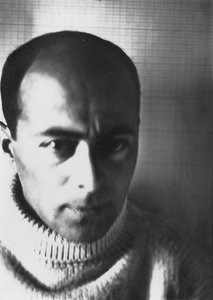
      El Lissitzky, born Lazar Markovich Lissitzky in 1890 in the small Russian town of Pochinok, emerged as a pivotal figure in the tumultuous landscape of early 20th-century art. His journey was one of constant reinvention, driven by a fervent belief in the power of art to shape society and reflect the dynamism of the modern world. From his initial training as an architect and engineer – pursuits hampered by restrictions placed upon Jewish students – Lissitzky’s path diverged towards artistic expression, initially through illustrations steeped in Jewish folklore. These early works, like his cover for ‘Chad Gadya’, reveal a nascent talent already grappling with narrative and visual storytelling, hinting at the profound cultural roots that would continue to inform his aesthetic. A move to Berlin and Darmstadt broadened his horizons, but it was upon returning to Russia that Lissitzky truly found his artistic voice, becoming inextricably linked with the revolutionary fervor sweeping through the nation.

      The Embrace of Abstraction: Suprematism and Proun

      A defining moment arrived with his encounter with Kazimir Malevich and the embrace of Suprematism. This radical movement, dedicated to pure geometric abstraction, resonated deeply with Lissitzky’s desire to transcend representational art and tap into a universal visual language. He became a key member of UNovis, the Suprematist group established in Vitebsk, actively disseminating its principles through teaching and artistic production. However, Lissitzky didn't simply replicate Malevich’s style; he forged his own distinct path with the development of *Proun*. This unique series, born from a fusion of Suprematism and Constructivism, explored spatial relationships and geometric forms in dynamic compositions that often resembled architectural blueprints or exploded diagrams. Proun wasn’t merely painting; it was an investigation into the very structure of space itself, a premonition of future architectural possibilities. These works, with their floating planes and intersecting lines, embodied Lissitzky’s belief in art as a force capable of constructing new realities. The influence of his engineering background is palpable here, lending a structural logic to the abstract forms. He sought to liberate visual language from traditional conventions, prioritizing clarity and geometric precision—a quest that would propel him toward groundbreaking innovations.

      Artistic Influences and Bauhaus Connection

      Lissitzky’s artistic sensibilities were profoundly shaped by several key influences. Kazimir Malevich's Suprematism served as a catalyst for his radical departure from figurative representation, prompting him to embrace the austere beauty of pure geometric abstraction. Simultaneously, Constructivism—particularly the ideas championed by Vladimir Tatlin—provided him with a conceptual framework for exploring the relationship between art and technology. Lissitzky’s engagement with Bauhaus, Germany's influential design school, further solidified his commitment to functionalism and aesthetic innovation. He collaborated closely with Josef Albers and László Moholy-Nagy, absorbing their experimental techniques and sharing his vision of how art could contribute to social progress. These collaborations underscored the importance of interdisciplinary dialogue—a characteristic that would permeate his entire artistic practice.

      Typography and Photomontage: Mastering Visual Communication

      Lissitzky possessed an exceptional understanding of visual communication, mastering both typography and photomontage with unparalleled skill. He revolutionized typographic design by experimenting with bold fonts, asymmetrical layouts, and innovative spacing techniques—challenging established conventions and elevating the expressive potential of text. His photomontages—such as ‘The Constructor’ (1924)—were particularly striking—self-portraits that blended photography with geometric abstraction, offering a complex commentary on identity and the role of the artist in society. Lissitzky skillfully juxtaposed disparate images to create visually arresting compositions that conveyed powerful messages about political ideology and social transformation. He recognized that visual language could transcend verbal articulation, communicating ideas and emotions directly—a conviction that underpinned his entire artistic endeavor.

      Legacy and Enduring Significance

      El Lissitzky’s contribution to the history of art is undeniable. He stands as a towering figure in the vanguard of Russian avant-garde movement, embodying the spirit of experimentation, innovation, and social engagement. His pioneering explorations into abstraction, typography, and photomontage continue to inspire contemporary artists and designers—demonstrating the enduring relevance of his artistic vision. Lissitzky’s legacy extends beyond the realm of aesthetics; he championed the transformative power of art as a tool for shaping culture and advancing human understanding. He remains an exemplar of intellectual courage—a testament to the conviction that art can serve as a catalyst for social change—and his work continues to provoke reflection and inspire creativity across generations. His influence is visible in numerous international collections, and museums featuring his masterpieces include the Taganrog Art Museum and Novokuznetsk Art Museum.
      El Lissitzky

      El Lissitzky

      1890 - 1941 , Rusija

      Ključne informacije

      • Artistic Movement Or Style:
        • Suprematism
        • Constructivism
      • Artists Or Movements Influenced By This Artist: ['Bauhaus']
      • Artists Who Influenced This Artist: ['Kazimir Malevich']
      • Date Of Birth: Nov 23, 1890
      • Date Of Death: Dec 30, 1941
      • Full Name: El Lissitzky
      • Nationality: Ruski
      • Notable Artworks:
        • The Constructor
        • Chad Gadya cover
        • Proun series
      • Place Of Birth: Pochinki, Russia
      Raziščite umetniška dela, razvrščena po temah, slogih in značilnostih.