

Acrylic On Canvas.

§ 1Katalogovni podatki

§ 2Abstraktno
Opis zbirateljskega predmeta
 Preberi več
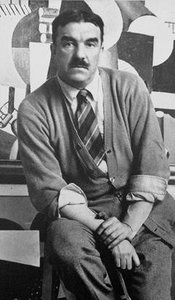
Biografija umetnika
Fernand Léger (1881–1955): pionir kubizma in 'tubizma'! Odkrijte njegove drzne slike, ki slavijo moderno življenje, stroje in človeško podobo – predhodnik pop arta.
§ 3Komentacija
Fernand Léger: Capturing the Rhythm of Industry
Fernand Léger’s “The Field Trip,” completed in 1925, stands as an emblem of Surrealist innovation and a profound reflection on the anxieties and aspirations of the interwar period. More than just a depiction of schoolchildren embarking on a journey to observe a locomotive, Léger's canvas embodies a radical reimagining of artistic representation—a deliberate rejection of illusionism in favor of a visual language that prioritizes geometric abstraction and conveys an overwhelming sense of movement.
- Subject Matter: The painting portrays a group of children traveling to witness the arrival of a steam locomotive. Léger meticulously captures the mundane details of everyday life—the uniforms, the backpacks, the faces—transforming them into stylized forms that contribute to the overall dynamism.
- Style: Léger’s style is undeniably Surrealist, albeit one profoundly influenced by Constructivism and Cubism. He abandons traditional perspective and employs a flattened picture plane, emphasizing orthogonal lines and geometric shapes—rectangles, squares, triangles—to create an illusion of depth and movement.
- Technique: Léger’s technique is characterized by bold brushstrokes and a vibrant palette dominated by reds, yellows, and blacks. He applies paint thickly onto the canvas, layering colors to achieve textural richness and emphasizing the materiality of the artwork itself. This physicality underscores Léger's belief that painting should engage with the physical world—a conviction rooted in his formative years spent working as a stonemason.
Historical Context: The Machine Age and Artistic Responses
“The Field Trip” emerged during a period of intense social and technological upheaval. The rapid industrialization of Europe—fueled by advancements in steam power, metallurgy, and transportation—was reshaping urban landscapes and altering the rhythms of daily life. Artists responded to these changes with diverse strategies, ranging from outright rejection of modernity to attempts to synthesize its principles with traditional forms. Léger’s Surrealist approach distinguishes itself through a calculated embrace of abstraction—a deliberate distortion of reality intended not merely to shock but also to provoke contemplation about the nature of perception and representation.
Symbolism: Rhythm, Repetition, and Transformation
Beyond its literal depiction of schoolchildren and locomotives, “The Field Trip” is laden with symbolic significance. Léger’s use of repetitive geometric shapes—particularly rectangles—represents the relentless march of industrial progress, mirroring the rhythmic pulsations of the locomotive engine. The flattened picture plane symbolizes a rejection of illusionism and an insistence on confronting viewers with the raw materiality of the artwork. Furthermore, Léger subtly transforms recognizable elements—faces, bodies—into stylized abstractions, suggesting that artistic representation transcends mere imitation of nature.
Emotional Impact: Anxiety and Wonder
"The Field Trip" evokes a complex emotional response in the viewer. The painting’s assertive color palette and dynamic brushstrokes convey an underlying sense of anxiety—a reflection of the uncertainties surrounding the future. Yet, simultaneously, Léger imbues his artwork with moments of wonder—captured in the expressive faces of the children and the luminous glow emanating from the locomotive. Ultimately, Léger's masterpiece compels us to reconsider our relationship with both the physical world and artistic expression—challenging us to embrace abstraction as a tool for conveying profound truths about human experience.
Vprašanja in odgovori
Kako se barve dela "The field trip" avtorja Fernand Léger odražajo v njegovem čustvenem izrazu?
Paleta Dark v delu "The field trip" avtorja Fernand Léger se dopolnjuje z njegovim Calm čustvenim tonom. Barva je eden od načinov, s katerimi umetniško delo izraža čustva.
Kakšna je barvna identiteta dela "The field trip" avtorja Fernand Léger?
"The field trip" zaznamja barvna paleta Dark, ki ji prevladuje Mahogany (#cf1909)."
Ali se lahko slika "The field trip" avtorja Fernand Léger prosto reproducira?
Status avtorskih pravic za "The field trip" avtorja Fernand Léger: del je v javni domeni – avtorska pravica je zastarela. To določa, ali se lahko reprodukcije slike izdelujejo prosto.


 Preklop na tiskanine


 Za umetniška dela ali reprodukcije, ki so po katerikoli strani širše od 105 cm (približno 41 palč), bo okvir poslan v razstavljeni obliki kot komplet. Ta metoda zagotavlja varno dostavo in preprečuje poškodbe med transportom.


