


 Predogled
 Pošlji
 Deli
Deli
 Podrobnosti o delu

 Prenesi
 Podobni izdelki
 Rentgenski posnetek
 Predvajaj diaporama
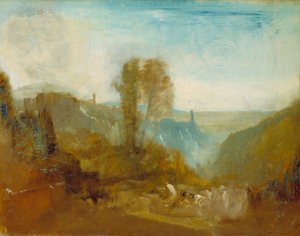
Landscape
 Watercolor
- WallArt
- Barbizon School
 1884
1884- 19th Century
 27.0 x 35.0 cm
 Cleveland Museum of Art
 Razviljaj več
Kupite digitalno sliko visoke ločljivosti z izboljšano kakovostjo, ki je precej boljša od spletnega predogleda.
Vsaka datoteka je pod natančnim nadzorom naših strokovnjakov, ki uporabljajo napredna orodja in strokovno ročno obdelavo. Zagotovimo, da ima vsaka slika izjemno jasnost, natančnost barv in fine podrobnosti.
Končna datoteka je po e-pošti dostavljena v 72 urah, optimizirana za takojšnjo uporabo v profesionalnem, uredniškem in tiskarskem okolju. To je kakovost, ki ji zaupajo vrhunska oblikovalna studia, založniki in galerije.
Digitalna slika
Prenesite datoteko visoke ločljivosti za osebno uporabo, tiskanje in kreativne projekte. ( Kupi tisk Kupi ročno naslikano sliko)
Vključeno v vsako naročilo digitalne slike
Zagotovljena strokovna digitalna dostava
Ko izberete AllPaintingsStore.com, ne prejmete le slike – prejmete digitalno umetniško delo, ki je profesionalno urejeno, izdelano z natančnostostjo in zavestno zagotovljeno z garancijo za zadovoljstvo. Tukaj je vse, kar samodejno prejmete z vašim naročilom:

Hitra dostava prek e-pošte
Vaša digitalna slika visoke ločljivosti bo na vaš e-naslov poslana v roku 72 ur od zaklopa naročila – pripravljena za takojšnjo uporabo.

Digitalna datoteka z umetno inteligenco
Vaše umetniško delo je strokovno optimizirano z uporabo naprednih orodij umetne inteligence in ročne obdelave, kar zagotavlja največjo stopnjo podrobnosti, jasnosti in barvne natančnosti.

Brezplačna ponovna dostava za vse življenje
Ste zaradi nespremietne napake izgubili ali izbrisali svojo datoteko? Ni težav – vam jo bomo ponovno poslali kadar koli in brezplačno.

Brez uvoznih pristojbin – vedno
Uživajte v svojem umetniškem delu takoj, brez carin, davkov ali stroškov dostave – digitalni prenosi so vedno brezdavčni.

Zagotovilo natančnosti barv
Z uporabo profesionalnih orodij in upravljanja barv zagotavljamo, da vaša digitalna slika čim bolj natančno odraža prvotne barve.

60-dnevna garancija zadovoljstva
Če niste zadovoljni s svojo digitalno sliko, jo bomo uredili ali vam v 60 dneh povrnili 100% denarja – brez kakršnih koli vprašanj.

100% Garancija povračila denarja
Niste zadovoljni? Zagovрите popoln povračilo sredstev v 60 dneh po prejemu digitalne datoteke – brez kakršnih koli vprašanj.

Popusti pri večjem številu naročil
Kupite 3 slike, prihranite 10% - Kupite 5 slik, prihranite 15% - Kupite 10+ slik, prihranite 20%. Odlično za kreativne projekte, galerije in agencije.
Opis digitalnega artefakta
Sorodna umetniška dela


Biografija umetnika
Jean-François Millet: A Painter of the People
Jean-François Millet, born in Gruchy, a small village near Cherbourg in Normandy, France, on October 4th, 1814, and passing away in Barbizon on January 20th, 1875, stands as one of the most significant figures in French art. His legacy isn’t defined by grand narratives or revolutionary techniques, but rather by a profound empathy for the lives of ordinary people – particularly rural laborers – and his ability to capture their dignity, hardship, and quiet strength on canvas. Millet's journey from a young farmhand to a celebrated artist is a testament to his dedication and unwavering commitment to portraying the realities of peasant life, a subject that would ultimately define his artistic identity.
Millet’s early years were steeped in the rhythms of rural existence. He spent his youth working on the land alongside his family, an experience that profoundly shaped his worldview and provided him with an intimate understanding of the lives he would later depict. This practical knowledge, combined with a nascent artistic sensibility, led him to pursue formal training. Initially, he studied under local artists in Cherbourg, before ultimately enrolling at the École des Beaux-Arts in Paris in 1837. There, he was mentored by Paul Delaroche, a prominent academic painter, but Millet’s spirit resisted the rigid conventions of the Salon system. He found himself increasingly drawn to subjects outside the realm of mythological or historical grand narratives, seeking instead to capture the essence of everyday life.
The Barbizon School and Rustic Realism
Millet's artistic trajectory took a decisive turn in 1849 when he relocated to Barbizon, a small hamlet nestled within the Fontainebleau forest. This move was pivotal, marking his entry into the Barbizon school of painting – a loosely defined group of artists who rejected the artificiality of Parisian art and sought to paint *en plein air* (outdoors), directly from nature. The Barbizon painters were deeply influenced by the Romantic tradition, particularly its emphasis on landscape and the sublime, but they tempered this with a commitment to realism and an interest in depicting the lives of rural communities. Millet’s decision to settle in Barbizon wasn't merely a stylistic choice; it represented a fundamental shift in his artistic philosophy – a desire to immerse himself in the world he intended to portray.
Millet’s early works, such as *The Milkmaid* (1844) and *The Riding Lesson* (1844), demonstrated an emerging talent for capturing the sensuality and dignity of peasant women. These paintings, characterized by their warm color palettes and meticulous attention to detail, quickly gained recognition at the Salon. However, Millet’s artistic vision extended beyond mere portraiture. He became increasingly fascinated with the lives of rural laborers – farmers, shepherds, and field workers – seeking to depict them not as objects of pity or romanticized nostalgia, but as individuals of inherent worth and resilience. His most celebrated works from this period include *The Winnower* (1848-49), a poignant depiction of a farmer assessing his harvest after a devastating storm, and *Angelus* (1859), an iconic image of a peasant couple pausing in their work to pray as the church bell tolls. The latter painting, with its quiet solemnity and profound sense of human connection, became one of the most reproduced images in art history.
Themes and Symbolism
Millet’s paintings are imbued with a complex interplay of themes and symbolism. He consistently depicted scenes of rural labor – harvesting, plowing, tending to livestock – but these were not simply representations of physical activity. Rather, they served as metaphors for the human condition, exploring themes of hardship, faith, family, and the cyclical nature of life. The figures in Millet’s paintings are often rendered with a remarkable degree of realism, yet they possess an undeniable dignity and strength. Their faces are etched with the marks of toil, but their eyes hold a quiet resilience – a testament to their ability to endure adversity.
The use of light is also crucial to understanding Millet’s work. He frequently employed diffused sunlight, creating a soft, atmospheric effect that evokes a sense of timelessness and serenity. This technique not only enhances the beauty of his paintings but also serves to emphasize the connection between humanity and nature. The landscapes in which his subjects are set – rolling fields, dense forests, and sun-drenched meadows – are integral components of his artistic vision, reflecting his deep appreciation for the natural world.
Legacy and Influence
Despite facing criticism during his lifetime—often accused of promoting socialist sentiments due to his sympathetic portrayal of peasant life—Millet’s work gradually gained recognition as a masterpiece of French realism. His influence on subsequent generations of artists was profound, particularly among the Impressionists and Post-Impressionists. Artists such as Paul Cézanne and Vincent van Gogh were deeply inspired by Millet's emphasis on direct observation, his use of light and color, and his ability to capture the essence of everyday life. *Angelus*, in particular, has remained a potent symbol of human faith and perseverance, continuing to resonate with audiences around the world.
Jean-François Millet’s legacy extends far beyond his artistic achievements. He remains an enduring symbol of compassion, empathy, and the dignity of labor – a reminder that beauty can be found in the most humble of lives. His paintings continue to offer profound insights into the human condition, inviting us to contemplate our own place within the larger tapestry of life.

françois auguste ravier
1814 - 1895


