

1926. Oil On Canvas. Art Gallery of Hamilton.

§ 1Catalogue data


To umetniško delo je zaščiteno z avtorskimi pravicami
Umetniška dela, prikazana na tej strani, so zaščitena z avtorskimi pravicami, kar pomeni, da po zakonu ne moremo ustvarjati ali prodajati identičnih reprodukcij. Ta zaščita se izvaja v skladu z mednarodnimi sporazumi, kot so Bernska konvencija in po nacionalnih zakonih, vključno s tistimi, ki jih določa Zakon o avtorskih pravicah ZDA – naslov 17.
Kot spoštljiva in zakonita alternativa ponujamo prilagojena, ročno slikana umetniška dela, navzornena na original. Naši sposobni in profesionalni umetniki skrbno preučijo stil, vzdušje in umetniško bistvo originala, da ustvarijo novo, edinstveno delo, ki vzbudi enak občutek – pri čemer ostaja popolnoma nova, samostojna izvirna stvar.
Ta način v celoti upošteva zakonodajo o avtorskih pravicah, saj ne vključuje kopiranja ali podvajanja zaščitenga umetniškega dela. Namesto tega gre za kreativno preinterpretacijo – novo sliko, ki je navdihnjen rezultat originala, vendar ni z njim identična.
 Preberi več
§ 2Abstract
Opis zbirateljskega predmeta
Biografija umetnika
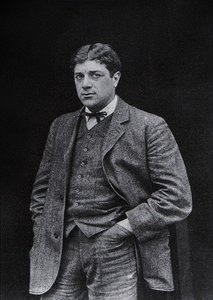
Georges Braque je francoski slikar, ki je vodil kubistično revolucijo skupaj z Pablo Picassojem. Znani so po inovativnih slikah, kot sta "Hiše pri L'Estaque" in osupljivih kolažih, ki so spremenile umetnost 20. stoletja.
§ 3Commentary
Georges Braque’s Nature Morte: A Fragmented Reflection of Modern Consciousness
Georges Braque’s “Nature Morte,” painted in 1926, stands as a cornerstone of Cubist exploration and a testament to the artist's profound engagement with visual perception. More than just a depiction of fruit—grapes, apples, and pears arranged within a simple bowl on a tabletop—the painting embodies the intellectual currents shaping European art at the time, reflecting a deliberate dismantling of traditional artistic conventions in favor of geometric abstraction.
- Subject Matter: The composition centers around a commonplace object – the fruit bowl – yet Braque elevates it to an arena for formal experimentation. He eschews realistic representation, prioritizing instead the conveyance of spatial relationships through interlocking planes and faceted surfaces.
- Style & Technique: Characteristic of Cubism’s Second Phase, “Nature Morte” exemplifies Analytical Cubism. This approach involves fracturing objects into multiple perspectives simultaneously, presenting them as intersecting geometric forms rather than solid masses. Braque meticulously applied oil paint with a glazing technique—thin layers of translucent color—to build up the image gradually, achieving remarkable luminosity and depth despite its apparent simplicity.
- Historical Context: Created during the height of Cubist fervor, “Nature Morte” aligns itself with the broader artistic movement’s rejection of Impressionism's focus on fleeting sensations. Artists like Picasso and Cézanne were actively questioning how we perceive reality, influenced by advancements in scientific theories concerning optics and relativity.
- Symbolism & Emotion: While seemingly devoid of overt narrative, “Nature Morte” carries subtle symbolic weight. The bowl itself represents containment and stillness—a deliberate contrast to the dynamism inherent in Cubist exploration. The fragmented forms convey a sense of disorientation and challenge viewers to reconsider their understanding of visual space.
- Emotional Impact: Despite its intellectual rigor, Braque’s painting possesses an undeniable aesthetic beauty. The harmonious interplay of color—primarily greens—creates a tranquil atmosphere that belies the underlying conceptual framework. It invites contemplation on the nature of perception and the transformative potential of artistic innovation.
As evidenced by Google Arts & Culture (Hamilton, Canada) and the National Gallery of Art (Nature Morte (Still Life) by Georges Braque, Paul Rosenberg), “Nature Morte” continues to resonate with audiences today. Its enduring appeal lies in its masterful distillation of Cubist principles—a bold assertion of artistic freedom and a pioneering contribution to the visual language of modern art.
Consider commissioning a high-quality reproduction from AllPaintingsStore.com for your home or office – bringing this iconic artwork into your space!
Vprašanja in odgovori
Kakšna je tehnika in datum nastanka dela "Nature Morte" avtorja Žorž Braq?
"Nature Morte" je bila ustvarjena leta 1926 z uporabo tehnike Oil On Canvas. Material in datum opisujeta, kako in kdaj je nastalo originalno delo.
Ali lahko "Nature Morte" avtorja Žorž Braq vidim pod drugačnimi svetlobami?
Delo "Nature Morte" lahko raziščete plast za plast na strani Rentgenski pregled, ki vključuje preglednik navdihnjen s svetilno mizo konservatorja z enajstimi optičnimi odtisi slike.
Kdo je ustvaril "Nature Morte" in v kakšnem slogu je izvedeno?
"Nature Morte" je ustvaril Žorž Braq v slogu Cubist Still Life. Umetnik in umetniška smer opredeljata tradicijo dela.


 Preklop na tiskanine


 Za umetniška dela ali reprodukcije, ki so po katerikoli strani širše od 105 cm (približno 41 palč), bo okvir poslan v razstavljeni obliki kot komplet. Ta metoda zagotavlja varno dostavo in preprečuje poškodbe med transportom.


