

1908. Acrylic On Canvas, 46.0 x 38.0 cm.

§ 1Katalogovni podatki

- 46.0 x 38.0 cm


To umetniško delo je zaščiteno z avtorskimi pravicami
Umetniška dela, prikazana na tej strani, so zaščitena z avtorskimi pravicami, kar pomeni, da po zakonu ne moremo ustvarjati ali prodajati identičnih reprodukcij. Ta zaščita se izvaja v skladu z mednarodnimi sporazumi, kot so Bernska konvencija in po nacionalnih zakonih, vključno s tistimi, ki jih določa Zakon o avtorskih pravicah ZDA – naslov 17.
Kot spoštljiva in zakonita alternativa ponujamo prilagojena, ročno slikana umetniška dela, navzornena na original. Naši sposobni in profesionalni umetniki skrbno preučijo stil, vzdušje in umetniško bistvo originala, da ustvarijo novo, edinstveno delo, ki vzbudi enak občutek – pri čemer ostaja popolnoma nova, samostojna izvirna stvar.
Ta način v celoti upošteva zakonodajo o avtorskih pravicah, saj ne vključuje kopiranja ali podvajanja zaščitenga umetniškega dela. Namesto tega gre za kreativno preinterpretacijo – novo sliko, ki je navdihnjen rezultat originala, vendar ni z njim identična.
 Preberi več
§ 2Abstraktno
Opis zbirateljskega predmeta
Biografija umetnika
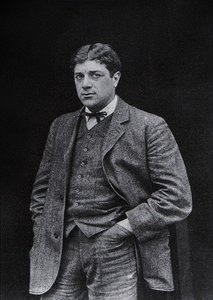
Georges Braque je francoski slikar, ki je vodil kubistično revolucijo skupaj z Pablo Picassojem. Znani so po inovativnih slikah, kot sta "Hiše pri L'Estaque" in osupljivih kolažih, ki so spremenile umetnost 20. stoletja.
§ 3Komentacija
Georges Braque’s “Path at Estaque”: A Dialogue Between Cézanne and Picasso
Georges Braque’s “Path at Estaque,” painted in 1908, stands as a pivotal work within the burgeoning Cubist movement, yet simultaneously echoes the influence of Paul Cézanne—a relationship that exemplifies the artistic ferment of the period. This unassuming landscape isn't merely a depiction of Provence; it’s a carefully considered response to Cézanne’s groundbreaking explorations of form and perspective, compounded by Braque’s own burgeoning fascination with Picasso’s revolutionary “Les Demoiselles d’Avignon.” As Dr. Beth Harris eloquently describes in Smarthistory, the painting represents “an homage to Cézanne, but also a reaction to having seen Picasso’s Les Demoiselles d’Avignon,” highlighting the complex interplay of artistic ideas shaping Braque's vision.
- Subject Matter: The canvas captures a tranquil coastal scene—a path winding through a grove of trees overlooking the Mediterranean Sea. Estaque, a village near Marseille, served as Cézanne’s studio and inspiration for countless works, cementing its place in art history.
- Style & Technique: Braque employs a fractured perspective characteristic of Cubism, breaking down objects into geometric planes that overlap and intersect. Unlike traditional Impressionistic renderings, he prioritizes structure over optical illusion, striving to represent multiple viewpoints simultaneously. The muted palette—dominated by earthy greens and browns—contributes to the painting’s contemplative mood.
- Historical Context: Painted in 1908, “Path at Estaque” marks a crucial moment in artistic history. Cézanne's insistence on simplifying forms and flattening space had profoundly impacted artists like Braque and Picasso, prompting them to challenge established conventions. The painting reflects the broader intellectual currents of the time—a rejection of academic realism in favor of subjective perception and experimental representation.
- Symbolism & Emotional Impact: Beyond its visual depiction, “Path at Estaque” conveys a sense of stillness and observation. Cézanne’s influence is palpable in Braque's careful attention to tonal variations and the subtle modeling of surfaces—techniques designed to evoke an emotional response akin to Cézanne’s own profound engagement with nature.
A Reproduction Worth Considering
The MoMA’s catalog entry emphasizes Braque’s deliberate approach, noting that “Georges Braque. Road near L'Estaque. L'Estaque, late summer 1908” is “Oil on canvas. 23 3/4 x 19 3/4\" (60.3 x 50.2 cm). Given anonymously (by exchange).” This painting exemplifies the core tenets of Cubism—a stylistic breakthrough that continues to inspire artists and collectors alike.
- Material Quality: AllPaintingsStore offers exceptionally detailed reproductions crafted from archival pigments on premium canvas, ensuring vibrant colors and exceptional longevity.
- Interior Design Inspiration: “Path at Estaque”’s serene composition lends itself beautifully to contemporary interior spaces—particularly those seeking a connection with the natural world and an appreciation for understated elegance.
- Art Historical Significance: Acquiring a high-quality reproduction allows you to engage directly with one of the foundational artworks of modern art, fostering a deeper understanding of Cézanne’s legacy and Picasso’s pioneering vision.
Explore the captivating beauty and intellectual depth of Georges Braque’s “Path at Estaque” through AllPaintingsStore’s stunning reproductions—a testament to artistic innovation and enduring inspiration.
Vprašanja in odgovori
Kakšno čustvo izraža del Cubist Landscape z naslovom "Path at Estaque"?
"Path at Estaque" izživa Reflective čustveni ton v okviru gibanja Cubist Landscape.
Kako se v delu "Path at Estaque" avtorja Žorž Braq prepletata umetniška smer in dobo?
"Path at Estaque" pripada slogu Cubist Landscape, njegov ustvarjalec pa je deloval v obdobju Moderna doba.
Kakšna je splošna svetlobnost dela "Path at Estaque"?
Splošno je "Path at Estaque" zabeleženo kot balanced. Zaznana svetlina opisuje, kako svetlo ali temno delo deluje.


 Preklop na tiskanine


 Za umetniška dela ali reprodukcije, ki so po katerikoli strani širše od 105 cm (približno 41 palč), bo okvir poslan v razstavljeni obliki kot komplet. Ta metoda zagotavlja varno dostavo in preprečuje poškodbe med transportom.


