

1954. Oil On Canvas, 132.0 x 196.0 cm.

§ 1Katalogovni podatki

- 132.0 x 196.0 cm


To umetniško delo je zaščiteno z avtorskimi pravicami
Umetniška dela, prikazana na tej strani, so zaščitena z avtorskimi pravicami, kar pomeni, da po zakonu ne moremo ustvarjati ali prodajati identičnih reprodukcij. Ta zaščita se izvaja v skladu z mednarodnimi sporazumi, kot so Bernska konvencija in po nacionalnih zakonih, vključno s tistimi, ki jih določa Zakon o avtorskih pravicah ZDA – naslov 17.
Kot spoštljiva in zakonita alternativa ponujamo prilagojena, ročno slikana umetniška dela, navzornena na original. Naši sposobni in profesionalni umetniki skrbno preučijo stil, vzdušje in umetniško bistvo originala, da ustvarijo novo, edinstveno delo, ki vzbudi enak občutek – pri čemer ostaja popolnoma nova, samostojna izvirna stvar.
Ta način v celoti upošteva zakonodajo o avtorskih pravicah, saj ne vključuje kopiranja ali podvajanja zaščitenga umetniškega dela. Namesto tega gre za kreativno preinterpretacijo – novo sliko, ki je navdihnjen rezultat originala, vendar ni z njim identična.
 Preberi več
§ 2Abstraktno
Opis zbirateljskega predmeta
Georges Braque’s Fauvist masterpiece ‘The Studio (VIII)’ explodes with vibrant ochre, crimson, and turquoise hues—a bold departure from Cubism's geometric precision—capturing a dynamic studio scene. Explore this iconic artwork and its enduring legacy at WikiArt.org.
Biografija umetnika
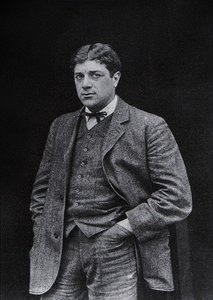
Georges Braque je francoski slikar, ki je vodil kubistično revolucijo skupaj z Pablo Picassojem. Znani so po inovativnih slikah, kot sta "Hiše pri L'Estaque" in osupljivih kolažih, ki so spremenile umetnost 20. stoletja.
§ 3Komentacija
A Symphony of Color and Geometric Precision
In the vast pantheon of twentieth-century modernism, few works capture the rhythmic pulse of creative existence as intimately as Georges Braque’s “The Studio (VIII)”. Painted in 1954, this masterpiece serves as a profound meditation on the artist's sanctuary, transforming a familiar workspace into a complex tapestry of light and form. While many associate the Cubist movement with a certain intellectual austerity, Braque breathes a vibrant, almost lyrical life into this canvas. The painting does not merely depict a room; it orchestrates a sensory experience where the boundaries between objects dissolve into a dance of color and geometry.
The composition is a masterful exercise in deconstructing space. Braque employs the foundational tenets of Cubism—the fragmentation of subjects into multifaceted planes—to present a view that rejects traditional, singular perspective. Instead, the viewer is invited to witness multiple viewpoints simultaneously, creating a sense of depth that feels both structured and fluid. A bird, a recurring and poignant motif in Braque’s later oeuvre, appears to soar diagonally through the frame, acting as a dynamic element that guides the eye across the canvas. This movement is mirrored by the placement of figures and objects, from the subtle presence of people near the periphery to the unexpected inclusion of a car and a chair, all woven into a cohesive, rhythmic arrangement.
The Vibrant Pulse of Fauvist Influence
What distinguishes “The Studio (VIII)” from the more monochromatic experiments of early Cubism is its breathtaking embrace of a Fauvist palette. Braque utilizes bold, expressive hues—deep ochres, rich crimsons, and striking turquoises—to imbue the scene with an emotional resonance that transcends mere representation. These colors are not merely decorative; they are the very heartbeat of the painting. The interplay between these saturated tones creates a luminous surface that seems to pulsate with energy, reflecting the internal fire of the creative process itself.
For the discerning collector or interior designer, this painting offers an unparalleled opportunity to introduce a sense of sophisticated dynamism into a space. The technique involves a masterful manipulation of pigment, where each brushstroke contributes to a larger, textured landscape of light. The way the light catches the different planes of color can transform the atmosphere of a room, providing a focal point that is both intellectually stimulating and visually soothing. It is a piece that demands attention through its complexity yet rewards the viewer with a sense of profound harmony.
A Legacy of Innovation and Emotion
To look upon “The Studio (VIII)” is to witness the culmination of a lifetime of artistic evolution. Braque, a pioneer who worked alongside Picasso to redefine the limits of perception, brings his entire history—from his early training in the craft of decoration to his radical deconstructions of form—into this single, late-career triumph. The painting stands as a testament to the enduring power of the studio as a site of metamorphosis, where the mundane objects of daily life are elevated to the realm of the sublime through the lens of artistic vision.
Whether one is drawn to its historical significance within the Cubist and Fauvist traditions or moved by its evocative, swirling energy, this work remains a timeless icon. It offers more than just aesthetic beauty; it provides a window into the very soul of modern art. For those seeking to adorn their collections with a piece that embodies both technical mastery and emotional depth, Braque’s “The Studio (VIII)” remains an essential and breathtaking choice.
Vprašanja in odgovori
S kakšno tehniko je izdelano "The Studio (VIII)" in v katerem slogu?
V delu "The Studio (VIII)" se tehnika Oil On Canvas srečuje z gibanjem Cubist Still Life.
Kakšen je umetnostvarnopolni pomen dela "The Studio (VIII)" avtorja Žorž Braq?
Zgodovinsko gledano je "The Studio (VIII)" Cubist Still Life skladina iz širšega obdobja Modern.
Koliko je bil Žorž Braq star ob ustvarjanju dela "The Studio (VIII)" leta 1954?
Žorž Braq je bil/a star/a 72 let, ko je ustvaril/a "The Studio (VIII)" leta 1954. Starost je izračunana na podlagi leta rojstva umetnika, 1882.


 Preklop na tiskanine


 Za umetniška dela ali reprodukcije, ki so po katerikoli strani širše od 105 cm (približno 41 palč), bo okvir poslan v razstavljeni obliki kot komplet. Ta metoda zagotavlja varno dostavo in preprečuje poškodbe med transportom.


