

Acrylic On Canvas.

§ 1Katalogovni podatki

To umetniško delo je zaščiteno z avtorskimi pravicami
Umetniška dela, prikazana na tej strani, so zaščitena z avtorskimi pravicami, kar pomeni, da po zakonu ne moremo ustvarjati ali prodajati identičnih reprodukcij. Ta zaščita se izvaja v skladu z mednarodnimi sporazumi, kot so Bernska konvencija in po nacionalnih zakonih, vključno s tistimi, ki jih določa Zakon o avtorskih pravicah ZDA – naslov 17.
Kot spoštljiva in zakonita alternativa ponujamo prilagojena, ročno slikana umetniška dela, navzornena na original. Naši sposobni in profesionalni umetniki skrbno preučijo stil, vzdušje in umetniško bistvo originala, da ustvarijo novo, edinstveno delo, ki vzbudi enak občutek – pri čemer ostaja popolnoma nova, samostojna izvirna stvar.
Ta način v celoti upošteva zakonodajo o avtorskih pravicah, saj ne vključuje kopiranja ali podvajanja zaščitenga umetniškega dela. Namesto tega gre za kreativno preinterpretacijo – novo sliko, ki je navdihnjen rezultat originala, vendar ni z njim identična.
 Preberi več
§ 2Abstraktno
Opis zbirateljskega predmeta
Biografija umetnika
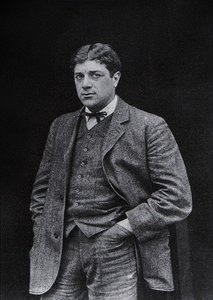
Georges Braque je francoski slikar, ki je vodil kubistično revolucijo skupaj z Pablo Picassojem. Znani so po inovativnih slikah, kot sta "Hiše pri L'Estaque" in osupljivih kolažih, ki so spremenile umetnost 20. stoletja.
§ 3Komentacija
Georges Braque’s Vision of Rural Tranquility: An Exploration of Cubist Influence
Georges Braque’s “untitled (2719)” presents a deceptively simple scene—a village nestled amongst rolling hills and shadowed by a distant forest. Yet, beneath this tranquil exterior lies the profound intellectual engagement characteristic of Braque's artistic endeavors during his pivotal period alongside Pablo Picasso. This artwork exemplifies the core tenets of Cubism, demonstrating how Braque skillfully dismantled traditional perspective to convey spatial complexity and textural richness.
- Subject Matter: The painting captures a quintessential rural landscape—houses constructed from cardboard or paper—a deliberate choice that underscores Braque’s fascination with materiality and fragmentation. It's not merely depicting what is seen; it’s investigating how visual perception itself operates.
- Style & Technique: Braque employed a technique rooted in Cubism, specifically Analytical Cubism. This approach involved fracturing objects into geometric planes—primarily cubes—and presenting them simultaneously from multiple viewpoints. The yellowish tint of the buildings isn't accidental; it serves to heighten visual interest and contributes to the overall tonal palette.
- Historical Context: Created around 1908-1912, “untitled (2719)” emerged during a period of intense artistic experimentation following Impressionism. The influence of Cézanne’s sculptural approach is palpable, informing Braque's desire to represent form in three dimensions despite the limitations of two-dimensional representation. This was a reaction against the illusionistic conventions prevalent at the time, marking a decisive step toward abstraction.
- Symbolism & Emotional Impact: While seemingly devoid of overt narrative, the painting speaks volumes about Braque’s preoccupation with exploring fundamental questions regarding perception and representation. The muted colors—primarily yellows and browns—evoke feelings of serenity and contemplation, inviting viewers to consider the beauty inherent in everyday scenes.
The Influence of Cézanne: Sculptural Form Revisited
Braque’s artistic sensibilities were profoundly shaped by Paul Cézanne's groundbreaking explorations into capturing the essence of form rather than merely reproducing its appearance. Cézanne famously declared, “I do not paint what I see; I paint what I feel,” a sentiment that resonated deeply with Braque and fueled his determination to move beyond traditional illusionism.
- Cézanne’s Legacy: Cézanne's insistence on simplifying forms into geometric shapes—particularly cylinders, cones, and cubes—provided Braque with a crucial conceptual framework. This approach encouraged artists to consider the underlying structure of objects and landscapes, prioritizing solidity and volume over superficial detail.
- Braque’s Response: Braque embraced Cézanne's principles, applying them to his own canvases in ways that subtly yet powerfully differentiated him from Impressionists. He sought to convey a sense of spatial depth and sculptural presence—a characteristic absent from Impressionistic renderings—demonstrating the transformative potential of artistic innovation.
Collage: Expanding Artistic Boundaries
Alongside his painting explorations, Braque pioneered the technique of collage – incorporating non-traditional materials like newspaper, fabric scraps, and printed images into his artworks. This bold move further challenged established conventions and signaled a willingness to experiment with new visual languages.
- Material Exploration: Collage allowed Braque to juxtapose disparate textures and surfaces—creating surprising visual effects that disrupted conventional notions of composition. The inclusion of printed matter reflected the burgeoning influence of photography and mass media on artistic discourse.
- Conceptual Significance: More importantly, collage represented a conceptual breakthrough – demonstrating how artists could actively manipulate materials to convey ideas and emotions beyond mere representation. It was a deliberate rejection of academic painting’s focus on meticulous realism.
A Lasting Impression: Braque's Contribution to Modern Art
“untitled (2719)” stands as a testament to Georges Braque’s unwavering commitment to artistic experimentation and his pivotal role in shaping the trajectory of modern art. By synthesizing Cézanne’s sculptural vision with Cubist fragmentation and the innovative possibilities of collage, Braque created an artwork that transcends its apparent simplicity—inviting viewers to contemplate the fundamental questions surrounding perception, representation, and the very nature of visual experience.
Vprašanja in odgovori
Na kakšen način je opisan vzdušje v delu "untitled (2719)" avtorja Žorž Braq?
"untitled (2719)" avtorja Žorž Braq je po vzduju opisan kot Serene. Ta razvrščitev lahko pomaga pri izbiri ustreznega okolja za delo.
Kako se motiv dela "untitled (2719)" povezuje s tipičnimi temami umetnika Žorž Braq?
Med zastavljenimi temami umetnika Žorž Braq – ki jih zastopajo deconstructing reality, geometric spatial vision, collaboration picasso legacy, exploring artistic boundaries, cubist formal innovation – prinaša "untitled (2719)" lastno pozornost na village landscape, cardboard architecture, mountain silhouette, wooden structure, geometric forms, warm palette, cubist composition.
Ali lahko vidim rentgenski pregled dela "untitled (2719)" avtorja Žorž Braq?
Stran Rentgenski pregled za delo "untitled (2719)" avtorja Žorž Braq je interaktivni preglednik, ki vam omogoča pregled skozi enajst optičnih plasti slike umetninine, vključno z ogledom v slogu rentgenskega pregleda.


 Preklop na tiskanine


 Za umetniška dela ali reprodukcije, ki so po katerikoli strani širše od 105 cm (približno 41 palč), bo okvir poslan v razstavljeni obliki kot komplet. Ta metoda zagotavlja varno dostavo in preprečuje poškodbe med transportom.


