

Acrylic On Canvas.

§ 1Catalogue data

To umetniško delo je zaščiteno z avtorskimi pravicami
Umetniška dela, prikazana na tej strani, so zaščitena z avtorskimi pravicami, kar pomeni, da po zakonu ne moremo ustvarjati ali prodajati identičnih reprodukcij. Ta zaščita se izvaja v skladu z mednarodnimi sporazumi, kot so Bernska konvencija in po nacionalnih zakonih, vključno s tistimi, ki jih določa Zakon o avtorskih pravicah ZDA – naslov 17.
Kot spoštljiva in zakonita alternativa ponujamo prilagojena, ročno slikana umetniška dela, navzornena na original. Naši sposobni in profesionalni umetniki skrbno preučijo stil, vzdušje in umetniško bistvo originala, da ustvarijo novo, edinstveno delo, ki vzbudi enak občutek – pri čemer ostaja popolnoma nova, samostojna izvirna stvar.
Ta način v celoti upošteva zakonodajo o avtorskih pravicah, saj ne vključuje kopiranja ali podvajanja zaščitenga umetniškega dela. Namesto tega gre za kreativno preinterpretacijo – novo sliko, ki je navdihnjen rezultat originala, vendar ni z njim identična.
 Preberi več
§ 2Abstract
Opis zbirateljskega predmeta
Biografija umetnika
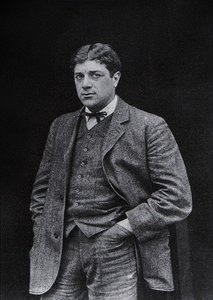
Georges Braque je francoski slikar, ki je vodil kubistično revolucijo skupaj z Pablo Picassojem. Znani so po inovativnih slikah, kot sta "Hiše pri L'Estaque" in osupljivih kolažih, ki so spremenile umetnost 20. stoletja.
§ 3Commentary
Georges Braque’s Violin On A Table: Fragmented Reality and Musical Resonance
Georges Braque's "Violin On A Table," painted circa 1909-10, stands as a cornerstone of Cubist innovation—a visual manifesto that irrevocably altered the course of modern art alongside Pablo Picasso. More than just a depiction of an instrument and its surroundings; it embodies a profound exploration of perception itself, reflecting the burgeoning intellectual currents of the era and cementing Braque’s position as one of the movement's foremost architects. The painting’s deceptively simple subject matter—a violin resting upon a wooden tabletop alongside scattered books—serves as a springboard for a complex visual language that defies traditional representation.Deconstructing Form: Cubist Technique
At its core, Braque’s approach is rooted in the principles of Analytical Cubism. Rejecting illusionistic depth and embracing geometric abstraction, he dismantled objects into fragmented planes of color and texture—a technique meticulously executed with oil paint on canvas. The violin itself isn't rendered as a unified form but rather dissected into interlocking cubes and parallelograms, mirroring the fractured viewpoints inherent in human experience. These planes overlap and intersect, creating an unsettling yet mesmerizing interplay of light and shadow that challenges viewers to actively reconstruct the image mentally. This deliberate fragmentation wasn’t merely stylistic; it mirrored the philosophical debates surrounding epistemology at the time—the questioning of how we know what we see. As noted in “Georges Braque: Pioneering Cubism & the Evolution of Modern Form,” Braque's method aimed to capture "the essence of an object rather than its appearance."A Musical Echo: Symbolism and Context
The inclusion of books adds another layer of significance to the composition. These aren’t merely props; they represent knowledge, contemplation, and perhaps even a yearning for order amidst chaos—themes prevalent in Cubist thought. The violin itself carries considerable symbolic weight, traditionally associated with musical virtuosity and refined sensibilities. Considering Braque's fascination with music as highlighted in “Violin and Sheet Music: \"Petit Oiseau\"", the instrument becomes more than just an object; it embodies a spirit of artistic exploration and intellectual curiosity. Furthermore, the tabletop—a neutral surface—acts as a grounding element, juxtaposed against the fragmented planes of color to emphasize the instability of visual perception.Emotional Impact: Fragmented Beauty
Despite its intellectual rigor, “Violin On A Table” possesses an undeniable aesthetic beauty. The muted palette—primarily browns and ochres—creates a sense of quiet contemplation, inviting viewers into the artist’s inner world. However, beneath this surface tranquility lies a palpable tension—a reflection of the anxieties and uncertainties characteristic of the period. Braque's masterful manipulation of form and color compels us to confront the limitations of representation, prompting us to consider alternative ways of perceiving reality. The painting lingers in the mind long after viewing, leaving an impression of fragmented beauty that speaks to the enduring power of art to provoke thought and emotion.- Explore reproductions of “Violin On A Table” at AllPaintingsStore.com.
- Discover similar artworks by Georges Braque: Still-Life With A Violin, Glass And Pipe On Table, Violin and Clarinet on a Table.
Vprašanja in odgovori
Kako "Violin On A Table" uravновеža svetlo in temno?
"Violin On A Table" ima v celoti balanced, njegova luminanca pa znaša Soft Shadow.
Kakšno čustvo izraža del Cubist Exploration z naslovom "Violin On A Table"?
"Violin On A Table" izživa Reflective čustveni ton v okviru gibanja Cubist Exploration.
Koliko svetlobe se zdi, da odražajo barve dela "Violin On A Table"?
"Violin On A Table" avtorja Žorž Braq ima Soft Shadow luminanco. Luminanca opisuje, koliko svetlobe se zdi, da barve odražajo.


 Preklop na tiskanine


 Za umetniška dela ali reprodukcije, ki so po katerikoli strani širše od 105 cm (približno 41 palč), bo okvir poslan v razstavljeni obliki kot komplet. Ta metoda zagotavlja varno dostavo in preprečuje poškodbe med transportom.


