


 Predogled
 Pošlji
 Deli
Deli
 Podrobnosti o delu

 Prenesi
 Podobni izdelki
 Rentgenski posnetek
 Predvajaj diaporama
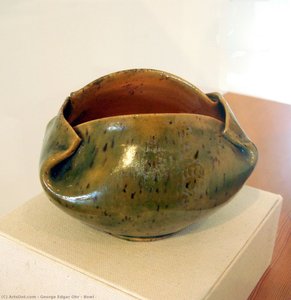
Emu beaker


 Razviljaj več
Giclée tisk / Umetniški tisk
Giclée ali platnati odtis muzejske kakovosti z hitro proizvodnjo in prilagodljivimi možnostmi končne obdelave. ( Kupi ročno naslikano sliko Kupi digitalno sliko)




































Izberite eno od naših vnaprej določenih velikosti, ki ustrezajo prvotnim proporcijam umetničkega dela.

Svoje dimenzije lahko vnesete sami, da bodo ustrezne za določen okvir ali prostor. Če izbrana velikost ne bo skladna z razmerji izvirne slike, bomo umetniško delo orezali ali podaljšali s pomočjo ogledalnega odraza ali barvno polnega roba. Pred začetkom proizvodnje vam bomo poslali digitalni predogled za potrditev.
Upoštevajte, da predogled na zaslonu ne prikazuje dejanskega orezovanja ali podaljševanja. Le digitalni predogled bo natančno prikazal končno kompozicijo.
Čeprav so na voljo prilagojene velikosti, priporočamo izbiro dimenzije s predhodno določenega seznama, da ohranite prvotna razmerja.
Globalna dostava () v 2 tednih namesto standardnih 4/5 tednov. (18 avgust)

Brezplačna ekspresna dostava po vsem svetu

Visokokakovostno laneno platno

Popolno zavarovanje pošiljke

Garancija povračila carine in uvoznih davkov

Garancija popolnega ujemanja barv

60-dnevna politika vračanja (le v primeru napak)

Garancija 100% povračila denarja

Popust pri večjem naročilu
 Možnost stekla je na voljo le za velikosti pod 110 cm

Emu beaker
Giclée tisk / Umetniški tisk
Velikost reprodukcije
-


Skupna končna cena
$ 64
Sorodna umetniška dela



Biografija umetnika
A Foundation in the Australian Soil
In the sun-drenched landscapes of South Australia, where the legacy of viticulture and agriculture runs deep, Gladys Reynell emerged as a transformative force in the history of Australian ceramics. Born in 1881 in Glenelg, her early life was inextricably linked to the rich, productive earth of her family’s estate. As the granddaughter of John Reynell, the pioneer of South Australia's first commercial winery, and the daughter of the prominent land agent Walter Reynell, her very identity was rooted in the soil. This connection to the land would later manifest not in agriculture, but in a profound, tactile exploration of the continent's natural materials. While her initial academic pursuits led her toward the clinical precision of medicine at the University of Adelaide, the call of the aesthetic proved irresistible. Reynell ultimately abandoned the medical path to embrace the visceral, creative possibilities of art, seeking a medium that could bridge the gap between the raw earth and human expression.The Modernist Revolution in Clay
As the twentieth century unfolded, Reynell became a vital architect of Australian Modernism. Her artistic evolution was significantly shaped by her encounter with the formidable Margaret Preston, whose influence helped steer Reynell away from the suffocatingly ornate European decorative traditions that dominated the era. Instead of seeking beauty in delicate, imported flourishes, Reynell looked inward toward the rugged essence of her homeland. She embraced a bold, modernist aesthetic characterized by geometric forms and abstract patterns, stripping away unnecessary embellishment to reveal the structural integrity of her vessels. This stylistic shift was more than a mere trend; it was a deliberate rebellion against colonial aesthetics. By prioritizing rhythm, shape, and texture, she helped forge a visual language that felt authentically Australian, one that resonated with the burgeoning spirit of a nation finding its own artistic voice.Materiality and the Spirit of the Land
Perhaps the most enduring aspect of Reynell’s legacy lies in her unwavering commitment to the use of native materials. She possessed an intuitive understanding of the aesthetic potential held within local minerals, famously sourcing clays directly from Kangaroo Island. This choice was a profound symbolic gesture, an act of honoring the Australian landscape through the very substance of her work. Her technique often involved slipware and relief carving, methods that allowed her to imbue each piece with a sense of primordial strength. One of her most celebrated achievements, the Emu Beaker of 1917, stands as a testament to this vision; through its stylized carvings, it draws inspiration from Aboriginal motifs, blending modernist abstraction with a deep respect for indigenous artistic traditions. Through her hands, the raw, unadorned clay was transformed into a medium of cultural significance, ensuring that her work remains a cornerstone of South Australian ceramic heritage.
Gladys Reynell
1881 - 1956 , Australia
Hitri podatki
- Artistic Movement Or Style: Modernist Pottery
- Date Of Birth: 1881
- Date Of Death: 1956
- Full Name: Gladys Reynell
- Nationality: Australian
- Notable Artworks:
- Emu Beaker
- Triple Portrait of Sir Henry Irving
- Place Of Birth: Adelaide, Australia
Sorodni članki

The Alchemy of Clay: A Collector's Guide to the Mastery, Texture, and Timeless Form of Ceramic Art
Discover the profound beauty of ceramic art. Our expert guide explores the alchemy of clay, texture, and glaze, offering collectors deep insights into mastering earth and fire to create timeless, sculptural masterpieces for any curated collection.

The Art of Ceramics: A Guide to Mastery, Texture, and Timeless Form for the Discerning Collector
Explore the profound elegance of ceramic art. From master glazes to sculptural forms, our expert guide offers discerning collectors deep insights into the mastery, texture, and timeless value of fine ceramics for sophisticated collections and luxury interiors.



