


 Preverite v realnem okolju
 Pošlji kot čestitko
 Deli
Deli
 Podrobnosti
 Guide
Guide

 Prenesi
 Podobni artefakti
 Rentgenski posnetek
 Predvajaj diaporama
 Statistika
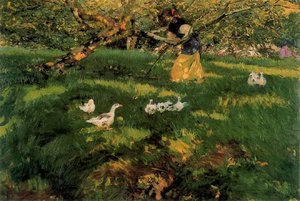
Gees and Two Children in the Garden, (1910)
 Preberi več
Ročno izdelana oljna reprodukcija
Ročno slikano olje na platnu v vaši izbiri velikosti in okvirja, izdelano po naročilu naših umetnikov. ( Preklop na tiskanine Preklop na digitalno sliko)




































Izberite eno od naših vnaprej določenih velikosti, ki ustrezajo prvotnim proporcijam umetničkega dela.

Svoje dimenzije lahko vnesete tako, da se prilagodite določenemu okvirju ali prostoru. Če izbrana velikost ne ustreza razmerjem originalne slike, bomo umetniško delo obrezali ali sliko dopolnili z dodatnimi ročno naslikanimi elementi. Pred začetkom proizvodnje vam bo poslan digitalni osnutek v odobritev.
Upoštevajte, da predogled na zaslonu ne odraža dejanskega obrezovanja ali podaljšanja. Le osnutek bo natančno prikazal končno kompozicijo.
Čeprav so na voljo velikosti po meri, priporočamo izbiro dimenzije s preddefiniranega seznama, da ohranimo originalne razmere.
Po oddaji naročila bo ekipa AllPaintingsStore.com stranki po e-pošti poslala navodila in predogled digitalnega predogleda.
Mednarodna dostava () v 3/4 tednih namesto običajnih 5 tednov. (21 september). Brez kompromisov pri kakovosti.

Brezplačna ekspresna dostava po vsem svetu

Visokokakovostno laneno platno

Popolno zavarovanje pošiljke

Garancija povračila carine in uvoznih davkov

Garancija popolnega barvnega ujemanja

Politika vračila v 100 dneh (le v primeru okvar)

Garancija 100% povračila denarja

Popust pri večjem naročilu
 Možnost stekla je na voljo le za velikosti pod 110 cm

Gees and Two Children in the Garden, (1910)
Tehnika reprodukcije
Velikost reprodukcije
-


Skupna cena
$ 258
Sorodna umetniška dela



Biografija umetnika
Gustave De Smet: A Pioneer of Flemish Expressionism
Gustave Franciscus De Smet (January 21, 1877 – October 8, 1943) was a Belgian painter who stands as one of the foremost figures in Flemish Expressionism. Alongside Constant Permeke and Frits Van den Berghe, he established this groundbreaking artistic movement, profoundly impacting Belgian art history and cementing his legacy as an innovator of visual language. Born in Ghent, De Smet’s formative years were marked by a familial connection to the arts – his father, Jules, was a set decorator and photographer – fostering within him a deep appreciation for craftsmanship and storytelling. This early exposure would prove instrumental in shaping his artistic sensibilities.Early Artistic Training & Influences
De Smet pursued formal art education at the Royal Academy of Fine Arts in Ghent, where he studied under Jean Delvin. Notably, unlike his brother Léon, Gustave wasn’t considered a particularly diligent student, suggesting an inclination towards independent exploration rather than strict adherence to academic conventions. However, this initial reluctance wouldn't hinder him from discovering the transformative power of artistic collaboration and experimentation. His formative years coincided with the burgeoning influence of Impressionism and Luminism, spearheaded by Emile Claus in nearby Astene – movements that instilled in him a fascination for capturing fleeting moments of light and color.The Sint-Martens-Latem Colony & Expressionist Breakthrough
A pivotal moment arrived in 1908 when De Smet joined Léon at the Sint-Martens-Latem artists’ colony, nestled amidst the picturesque landscapes of Flanders. Initially drawn to Luminism's serene beauty, he soon encountered Henri Le Fauconnier, whose bold stylistic choices ignited a spark within him. This encounter proved decisive in propelling him toward Expressionism – a movement characterized by its emotional intensity and rejection of traditional artistic norms. The colony fostered an environment ripe for intellectual exchange and artistic innovation, allowing De Smet to hone his skills alongside fellow artists like Van den Berghe and Permeke.Collaboration & Artistic Evolution: From Cubism to Circus Scenes
The collaboration with Frits Van den Berghe solidified De Smet’s artistic trajectory, pushing him beyond the confines of Impressionistic aesthetics. Influenced by Cubism's fragmented perspectives and geometric forms—a trend championed by Picasso—De Smet skillfully blended these techniques with Expressionist fervor. This fusion resulted in a distinctive visual vocabulary that captured the dynamism of everyday life – particularly circus scenes and fairground gatherings – reflecting his fascination for capturing human emotion and social commentary. His artistic output became increasingly liberated from academic constraints, prioritizing spontaneity and conveying profound psychological depth.Later Years & Legacy
Following World War I, De Smet’s family sought refuge in the Netherlands, where he continued to immerse himself in the avant-garde movement. He established Villa Malpertuis in Afsnee with Paul-Gustave van Hecke, a patron who championed his artistic vision and fostered connections within the Belgian art community. Despite facing financial hardships during the Great Depression—resulting in the bankruptcy of his Galerie Le Centaure—De Smet remained steadfast in his commitment to artistic pursuits. His final residence was Deurle, where he established Gust. De Smet Municipal Museum, preserving a testament to his life’s work and ensuring that his distinctive style would endure for generations to come. Gustave De Smet's contribution to Flemish Expressionism remains unparalleled, securing his place as one of Belgium’s most influential painters.
gustave de smet
1877 - 1943
Ključne informacije
- Artistic Movement Or Style: Flemish Expressionism
- Artists Or Movements Influenced By This Artist: ['Cubism']
- Artists Who Influenced This Artist: ['Henri Le Fauconnier']
- Date Of Death: 1943
- Full Name: Gustave Franciscus De Smet
- Nationality: Belgian
- Notable Artworks:
- The Great Shooting Gallery
- Man with the Bottle
- Place Of Birth: Ghent, Belgium

