

Akril na platnu.

§ 1Katalogovni podatki


§ 2Abstraktno
Opis zbirateljskega predmeta
Explore Henri Matisse's vibrant "Dinner Table" (1897), a pivotal work foreshadowing Fauvism. Discover its bold colors, expressive brushstrokes & revolutionary approach to capturing everyday life. A masterpiece of modern art.
 Preberi več
Biografija umetnika
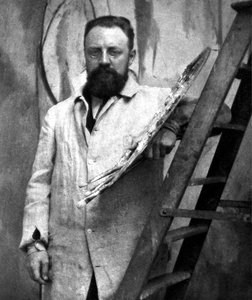
Odkrijte Henrija Matissea (1869-1954), mojstra barve in fauvizma! Raziščite njegove ikonične slike, rezalne kolaže in vpliv na moderno umetnost. Vodilni francoski slikar 20. stoletja.
§ 3Komentacija
Dinner Table by Henri Matisse
Henri Matisse’s “Dinner Table,” painted in 1897 during his formative years as an artist, stands as a cornerstone of Fauvist art and a testament to his pioneering approach to color and composition. More than just a depiction of a domestic scene—a woman preparing a meal amidst vibrant fruits and tableware—the painting embodies Matisse’s revolutionary vision for capturing the essence of experience through bold chromatic intensity. It resides in a private collection, offering rare insight into an early masterpiece of this influential movement.- Style: Fauvist – Matisse rejected Impressionism's focus on optical realism, opting instead for expressive color as its primary vehicle. This radical departure from convention marked the genesis of Fauvism, which sought to liberate color from naturalistic representation.
- Technique: Employing oil paint on canvas, Matisse utilized thick brushstrokes—a hallmark of Fauvist style—to build up layers of pigment and create a palpable sense of texture. The artist’s deliberate disregard for blending colors resulted in striking juxtapositions that commanded immediate visual attention.
- Historical Context: Painted at the cusp of the 20th century, “Dinner Table” reflects the broader artistic ferment of its time—the challenge to established norms and the embrace of subjective perception. It aligns perfectly with the broader Post-Impressionist movement, which sought to explore new expressive possibilities beyond mere imitation of nature.
- Symbolism: The fruits scattered across the tabletop symbolize abundance and nourishment—references to both physical sustenance and spiritual fulfillment. Similarly, the tableware represents ritual and tradition, anchoring the scene in a familiar domestic setting.
- Emotional Impact: “Dinner Table” evokes feelings of tranquility, warmth, and joy—a celebration of everyday life and human relationships. Matisse’s ability to distill complex emotions into a single image underscores his enduring legacy as one of the most influential artists of the modern era.
Vprašanja in odgovori
Kakšno vzdušje prenosi "Dinner Table"?
"Dinner Table" avtorja Henri Matisse je po vzduju opisan kot Skošnja. Ta razvrščitev lahko pomaga pri izbiri ustreznega okolja za delo.
Kje se priporoča izpostavljanje dela "Dinner Table" v formatu Vodoravna orientacija?
Z obliko Vodoravna orientacija se reprodukcija dela "Dinner Table" priporoča za Dnevna soba.
Z kakšno tehniko je izdelano "Dinner Table"?
Henri Matisse je za delo "Dinner Table" uporabil/a tehniko Akril na platnu. Ta tehnika opredeljuje materialno naravo izvirnega dela.


 Preklop na tiskanine


 Za umetniška dela ali reprodukcije, ki so po katerikoli strani širše od 105 cm (približno 41 palč), bo okvir poslan v razstavljeni obliki kot komplet. Ta metoda zagotavlja varno dostavo in preprečuje poškodbe med transportom.


