Jamstvo za povračilo denarja · 100 dni Brezplačna svetovna dostava
449.564umetninine 30.613umetniki 4.660muzeji 32jeziki
Vpis v katalog

Still Life with Fish and Shells

Oil On Canvas.

Slika 1. James Ensor, Still Life with Fish and Shells. Prikazano kot reprodukcija, ki jo izbirate: , .

§ 1Katalogovni podatki

§ 2Abstraktno

Opis zbirateljskega predmeta

Explore James Ensor’s 'Still Life with Fish & Shells'! A vibrant Expressionist masterpiece featuring bold colors, symbolic objects, & a unique artistic style. Discover this captivating Belgian artwork.

Biografija umetnika

James Ensor je belgijski mojster ekspresionizma in surrealizma znan po svojih brezobličnih slikah, karnevalskih motivih ter groteskni estetiki. Pogosto je prikazoval smrt, družbeno kritiko in religiozno satiro.

§ 3Komentacija

A Feast for the Eyes: Decoding James Ensor’s Still Life with Fish and Shells

James Ensor's *Still Life with Fish and Shells*, painted in 1898, is far more than a depiction of inanimate objects; it’s a vibrant, unsettling exploration of life, decay, and the anxieties simmering beneath the surface of fin-de-siècle Europe. This oil on canvas exemplifies Ensor's pivotal role in the development of Expressionism, showcasing his unique ability to imbue everyday subjects with profound psychological weight. The painting presents an opulent arrangement of marine life – fish, shells, lobster – alongside domestic items like bowls and a blue pitcher, all crowded onto a wooden table.

Ensor’s Artistic Vision & Technique

Born in Ostend, Belgium, James Ensor (1860-1949) rejected academic conventions, forging his own path through bold experimentation. He was deeply influenced by Symbolism and early Fauvism, but ultimately developed a style uniquely his own – characterized by intense subjectivity, rough brushwork, and a fascination with the grotesque. In *Still Life with Fish and Shells*, Ensor’s technique is immediately striking. He employs loose, visible brushstrokes, creating a textured surface that feels both energetic and slightly chaotic. The colors are vivid – blues, whites, pinks, and browns intermingle – not to realistically represent the objects, but to convey an emotional state. This isn’t about precise representation; it's about *feeling*.

Symbolism & Interpretation

The seemingly simple subject matter is laden with symbolic meaning. Fish and shells have long been associated with both abundance and mortality. The glistening, yet ultimately lifeless, fish can be interpreted as symbols of fleeting pleasure and the inevitability of decay. The shells, remnants of living creatures, further reinforce this theme. The crowded composition itself suggests a sense of claustrophobia and excess – perhaps reflecting the anxieties of a rapidly changing world. Some scholars suggest Ensor’s still lifes also contain veiled self-portraits or references to his personal life, adding another layer of intrigue.

Historical Context & Expressionist Roots

*Still Life with Fish and Shells* emerges from a period of significant artistic upheaval. The late 19th century saw artists questioning traditional values and exploring new ways to express inner experience. Expressionism, as a movement, sought to convey subjective emotions rather than objective reality. Ensor was a precursor to this shift, anticipating the emotional intensity and distorted forms that would become hallmarks of Expressionist painting in the early 20th century. His work paved the way for artists like Edvard Munch and Ernst Ludwig Kirchner.

Emotional Impact & Interior Design Considerations

This painting is not merely decorative; it’s provocative. It evokes a complex range of emotions – from fascination and delight to unease and even a touch of melancholy. Its rich colors and dynamic composition make it a compelling focal point for any interior space.
  • In a modern setting, the painting's bold palette can add a dramatic contrast.
  • Its slightly unsettling quality lends itself well to spaces that embrace individuality and artistic expression.
  • Consider pairing it with neutral tones to allow the artwork to truly shine.
A high-quality reproduction of *Still Life with Fish and Shells* offers a unique opportunity to bring Ensor’s visionary artistry into your home or collection, inviting contemplation and sparking conversation. It's a piece that rewards close viewing and continues to resonate with audiences today.

Vprašanja in odgovori

Kakšno vzdušje in čustvo izraža "Still Life with Fish and Shells" avtorja James Ensor?

Zapisani vzdušje dela "Still Life with Fish and Shells" avtorja James Ensor je Dramatic, njegov čustveni ton pa je Melancholic.

Ali lahko s pomočjo proširjene stvarnosti vidim "Still Life with Fish and Shells" avtorja James Ensor v svojem prostoru?

Delo "Still Life with Fish and Shells" ima predogled z augmented reality: stran Predogled v AR za to umetnino prikazuje delo v vašem lastnem prostoru na združljivi napravi.

V katero obdobje kariere James Ensor pripada delo "Still Life with Fish and Shells"?

"Still Life with Fish and Shells" predstavlja Mature Period umetnika James Ensor.
§ 4Umetnik

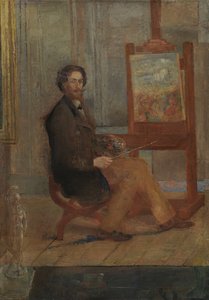
James Ensor

James Ensor

1860 - 1949, Belgija

Kratek pregled o James Ensor

  • Artistic Movement Or Style: Expressionism, Surrealism
  • Artists Who Influenced This Artist:
    • Pieter Bruegel the Elder
    • Francisco Goya
    • Whistler
  • Date Of Birth: April 13, 1860
  • Date Of Death: November 19, 1949
  • Full Name: James Sidney Edouard Ensor
  • Nationality: Belgian
  • Notable Artworks:
    • The Scandalized Masks
    • Skeletons Fighting...
    • Christ's Entry into Brussels
  • Place Of Birth: Ostend, Belgium

Biografija umetnika

James Ensor: A Pioneer of Expressionism and Surrealism

James Sidney Edouard Ensor (Ostend, 13 April 1860-19 November 1949) was a Belgian painter and printmaker who stands as one of the most influential figures in the development of Expressionism and Surrealism. Born into an English father and Belgian mother—a duality that profoundly shaped his artistic worldview—Ensor defied convention from the outset, rejecting academic formalism and embracing unsettling imagery rooted in psychological exploration.

Early Influences and Artistic Training

His formative years were marked by exposure to Ostend’s vibrant seaside atmosphere and his parents’ souvenir shop, which stocked exotic objects and carnival masks – stimuli that ignited his imagination and instilled a lifelong fascination with disguise. Ensor pursued formal artistic training at the Académie Royale des Beaux-Arts in Brussels, where he encountered fellow artists like Fernand Khnopff and Theo Van Rysselberghe—connections that fostered intellectual debate and propelled him beyond traditional boundaries.

A Shift Towards Grotesque Visionary Art

Around 1886-1889 Ensor embarked on a transformative stylistic journey, abandoning Impressionistic ideals for Expressionist techniques characterized by bold brushwork and vibrant color palettes. Influenced by Rembrandt’s masterful use of chiaroscuro, Francisco Goya’s unflinching depictions of human suffering, and Japanese woodcuts—a fascination with visual symbolism—Ensor developed a distinctive iconography focused on grotesque figures and unsettling narratives.

Key Masterpieces and Recurring Themes

His most celebrated works – including *Christ's Entry into Brussels* (1888-1889), *The Scandalized Masks* (1883) and *Skeletons Fighting over a Hanged Man* (1891) – exemplify Ensor’s commitment to confronting uncomfortable truths about human psychology and societal hypocrisy. Recurring themes throughout his oeuvre include death, decay, social critique, religious satire, and the boundless potential of imagination—elements that continue to resonate with audiences today.

Legacy and Influence

James Ensor's uncompromising artistic vision solidified his position as a pivotal innovator in modern art, paving the way for Expressionist artists like Edvard Munch and Surrealists like René Magritte. His rejection of academic conventions and embrace of psychological depth profoundly impacted subsequent generations of painters—establishing him as an enduring symbol of artistic rebellion and intellectual courage.

§ 5Primerjavelna dela

§ 6Vprašanja

Ključni podatki

  • artist: James Ensor
  • influences: Symbolism, Fauvism
  • style: Bold brushstrokes, vivid colors
  • title: Still Life with Fish and Shells
  • subject: Still life

Umetniški kviz

Pri vsakem vprašanju je na voljo le eden pravilen odgovor.

Vprašanje 1:
James Ensor's 'Still Life with Fish and Shells' is most closely associated with which artistic movement?
Vprašanje 2:
What is a prominent characteristic of Ensor’s style as seen in this painting?
Vprašanje 3:
Beyond their literal representation, what might the fish and shells in this still life symbolize?
Vprašanje 4:
In what year was 'Still Life with Fish and Shells' created?
Vprašanje 5:
Where is 'Still Life with Fish and Shells' currently located?

§ 7Citiraj ta zapis

AllPaintingsStore.com, “James Ensor, Still Life with Fish and Shells”, https://allpaintingsstore.com/sl/art/james-ensor-still-life-with-fish-and-shells-8BWRUH-en/ArtistReproduction/ (pridelano 8 oktober 2026).

§ 8Reprodukcija dela

Ročno izdelana oljna reprodukcija

Ročno slikano olje na platnu v vaši izbiri velikosti in okvirja, izdelano po naročilu naših umetnikov. ( Preklop na tiskanine Preklop na digitalno sliko)

V robu naročilnega lista je navedeno; trenutno stanje tega lista se glasi:

Still Life with Fish and Shells

Tehnik reprodukcije

Velikost reprodukcije

-

Izbor vrhunskih umetnikov

Več podrobnosti, dovršenosti in dodatnega časa za izdelavo

-

Okvir za reprodukcijo

-

-

Za umetniška dela ali reprodukcije, ki so po katerikoli strani širše od 105 cm (približno 41 palč), bo okvir poslan v razstavljeni obliki kot komplet. Ta metoda zagotavlja varno dostavo in preprečuje poškodbe med transportom.

Potrebna je profesionalna montaža – to ni izdelek za DIY izdelavo.
Komplet mora sestaviti in platno napeti izkušen profesionalni okvirjest, pri čemer bo uporabil lepil za les (ni vključeno), klešče za napetje platna in spone, da bi ohranil pravokotnost letev med sušenjem lepila. Nepravilna montaža ali neenakomerna napetost platna lahko trajno poškoduje umetniško del in ni pokrita z našo garancijo.

  • Vključene so vse letve iz masivnega lesa, natančno izrezane po meri.

  • Montaža poteka s priloženimi vijaki, vendar je za kotiče potrebna lepil za les, ki ga ni v kompletu in ga mora zagotoviti vaš okvirnik.

  • Za uporabo so potrebna profesionalna orodja, ki niso vključena: klešče za napinjanje platna (napetnik) in sponke za ohranjanje pravokotnosti letev med sušenjem lepila.

Pomembno:
Za stike v kotih potrebujete lepil za les, nosilce je treba z spenjačami držati, dokler se lepil popolnoma ne suši, za zategovanje platna na sestavljenem okvirju pa potrebujete spenjače za platno. Noben od teh pripomočkov ni vključen v komplet. Pred naročilom te velikosti, prosimo, poskrbite za izkušenega profesionalnega okvirja.

Značka z imenom

-

-

Zaščitni lak

Sijajni lak (poudarja barve ter zagotavlja zaščito pred svetlobo in vlago)

-

Prilagodi svoje umetniško delo

Primeri možnih prilagoditev: zamenjava obraza s fotografijo kupca; dodajanje hišnega ljubljenčka (npr. zamenjava mačke s psom); vključitev skritega sporočila v ozadje; sprememba krajšave ali elementov ozadja.

-

Hitra dostava

Mednarodna dostava () v 3/4 tednih namesto običajnih 5 tednov. (5 november). Brez kompromisov pri kakovosti.

-

Hitra dostava

Globalna dostava () v 5 tednih. (12 november).

Vključeno v ceno

Skupna cena

€ 229

Vključeno v vsako naročilo

  • Brezplačna ekspresna dostava po vsem svetu
  • Visokokakovostno laneno platno
  • Popolno zavarovanje pošiljke
  • Garancija povračila carine in uvoznih davkov
  • Garancija popolnega barvnega ujemanja
  • 100-dnevna politika vračil (le v primeru okvar)
  • Garancija 100% povračila denarja
  • Popust pri večjem naročilu
Raziščite umetniška dela, razvrščena po temah, slogih in značilnostih.
Obrazec za naročilo