


 Preverite v realnem okolju
 Pošlji kot čestitko
 Deli
Deli
 Podrobnosti
 Priročnik

 Prenesi
 Podobni artefakti
 Rentgenski posnetek
 Predvajaj diaporama
 Statistika
The Cathedral

 Preberi več
Giclée tisk / Umetniški tisk
Giclée ali platnati odtis muzejske kakovosti z hitro proizvodnjo in prilagodljivimi možnostmi končne obdelave. ( Naročite ročno slikano reprodukcijo Preklop na digitalno sliko)




P118B €10

P118H €10

P118W €10

P438Z €10

P508JH €12

P508YH €12

P805H €10

P805Z €10

P919BZ €10

P919G €10

P919XJ €10

P959ZH €10

P968JZ €12

W106C €8

W218G €10

W218JH €8

W218Y €10

W307PJ €10

W316G €10

W316PJ €8

W316Y €10

W398PJ €8

W4111J €10

W500HY €15

W500JH €15

W692G €12

W849H €8

W940BG €15

W953PJ €8




Izberite eno od naših vnaprej določenih velikosti, ki ustrezajo prvotnim proporcijam umetničkega dela.

Vnesite širino in višino, ki jih potrebujete za svoj okvir ali steno. Tiskanje se lahko le odreže, vendar ga ni mogoče narediti večjega od slike, zato format z drugačno obliko pomeni izgubo dela slike. Pred tiskanjem vam pošljemo digitalni predogled za potrditev. Slika, prikazana na tej strani, ne prikazuje dejanskega izrezkov — le predogled to omogoča.
Globalna dostava () v 2 tednih namesto standardnih 4/5 tednov. (25 oktober)

Brezplačna ekspresna dostava po vsem svetu

Visokokakovostno laneno platno

Popolno zavarovanje pošiljke

Garancija povračila carine in uvoznih davkov

Garancija popolnega barvnega ujemanja

Politika vračila v 100 dneh (le v primeru okvar)

Garancija 100% povračila denarja

Popust pri večjem naročilu
 Možnost stekla je na voljo le za velikosti pod 110 cm

The Cathedral
Giclée tisk / Umetniški tisk
Velikost reprodukcije
-


Skupna cena
€ 56
James Ensor’s Cathedral: A Portrait of Belgian Identity
- Subject Matter & Composition:
- Style & Technique:
- Historical Context & Influences:
- Symbolism & Interpretation:
- Emotional Resonance & Legacy:
Style & Technique
Ensor’s distinctive style is immediately recognizable as Symbolist and Expressionist, blending elements of both traditions into a powerfully emotive visual language. He eschewed academic conventions, prioritizing subjective feeling over objective representation. The artist employed thick impasto—a technique characterized by heavily textured paint—to convey the physicality of the cathedral walls and the solemn faces of the worshippers. Color palettes are muted yet deliberate, favoring earthy tones punctuated by splashes of crimson and gold, colors that heighten the dramatic impact of the scene. Ensor’s meticulous attention to detail is balanced by a disconcerting disregard for perspective, creating an unsettling atmosphere that reflects his preoccupation with psychological states.Historical Context & Influences
“The Cathedral” emerged from a period marked by significant social and intellectual upheaval in Belgium—the aftermath of World War I and the burgeoning influence of psychoanalysis. Ensor’s artistic sensibilities were profoundly shaped by thinkers like Sigmund Freud, whose theories explored the unconscious mind and challenged traditional notions of rationality. The cathedral itself represents a symbol of faith and tradition, juxtaposed against the anxieties of a rapidly changing world. Ensor's fascination with masks—a recurring motif in his oeuvre—finds expression here, perhaps suggesting that appearances conceal deeper truths and that individuals are often confronted by hidden emotions and desires.Symbolism & Interpretation
Beyond its formal elements, “The Cathedral” is laden with symbolic significance. The towering towers symbolize authority and permanence, yet they also cast long shadows over the congregation below, hinting at doubt and uncertainty. The crowd’s faces are rendered with unflinching honesty, conveying a spectrum of emotions—prayerful devotion mingled with apprehension and melancholy. Ensor deliberately disrupts conventional compositional conventions to heighten psychological tension, inviting viewers to confront uncomfortable realities about human nature and societal anxieties.Emotional Resonance & Legacy
“The Cathedral” continues to resonate powerfully with audiences today due to its masterful depiction of human emotion and its exploration of existential themes. It captures a moment of collective vulnerability—a confrontation with the sublime grandeur of faith alongside the pervasive sense of unease that characterizes modern life. Ensor’s uncompromising artistic vision cemented his place as one of Belgium's most important artists, inspiring generations of subsequent painters and cementing “The Cathedral” as an enduring emblem of Symbolist Expressionism and a poignant reflection on the human condition. Its reproductions offer a captivating glimpse into Ensor’s distinctive aesthetic and invite contemplation on themes of identity, faith, and psychological complexity.Vprašanja in odgovori
Ali lahko vidim rentgenski pregled dela "The Cathedral" avtorja James Ensor?
Delo "The Cathedral" lahko raziščete plast za plast na strani Rentgenski pregled, ki vključuje preglednik navdihnjen s svetilno mizo konservatorja z enajstimi optičnimi odtisi slike.
Na kakšen način "The Cathedral" avtorja James Ensor povezuje Symbolic Expressionism z domovino umetnika?
"The Cathedral" povezuje gibanje Symbolic Expressionism s Belgija skozi rodišče svojega ustvarjalca.
Priporočena so v katero sobo, glede na barvno paleto dela "The Cathedral" avtorja James Ensor?
Z svojo paleto Neutrals je delo "The Cathedral" avtorja James Ensor priporočljivo za Living Room. Barve so eden razlogov za to predlog.
Sorodna umetniška dela


Biografija umetnika
James Ensor: A Pioneer of Expressionism and Surrealism
James Sidney Edouard Ensor (Ostend, 13 April 1860-19 November 1949) was a Belgian painter and printmaker who stands as one of the most influential figures in the development of Expressionism and Surrealism. Born into an English father and Belgian mother—a duality that profoundly shaped his artistic worldview—Ensor defied convention from the outset, rejecting academic formalism and embracing unsettling imagery rooted in psychological exploration.
Early Influences and Artistic Training
His formative years were marked by exposure to Ostend’s vibrant seaside atmosphere and his parents’ souvenir shop, which stocked exotic objects and carnival masks – stimuli that ignited his imagination and instilled a lifelong fascination with disguise. Ensor pursued formal artistic training at the Académie Royale des Beaux-Arts in Brussels, where he encountered fellow artists like Fernand Khnopff and Theo Van Rysselberghe—connections that fostered intellectual debate and propelled him beyond traditional boundaries.
A Shift Towards Grotesque Visionary Art
Around 1886-1889 Ensor embarked on a transformative stylistic journey, abandoning Impressionistic ideals for Expressionist techniques characterized by bold brushwork and vibrant color palettes. Influenced by Rembrandt’s masterful use of chiaroscuro, Francisco Goya’s unflinching depictions of human suffering, and Japanese woodcuts—a fascination with visual symbolism—Ensor developed a distinctive iconography focused on grotesque figures and unsettling narratives.
Key Masterpieces and Recurring Themes
His most celebrated works – including *Christ's Entry into Brussels* (1888-1889), *The Scandalized Masks* (1883) and *Skeletons Fighting over a Hanged Man* (1891) – exemplify Ensor’s commitment to confronting uncomfortable truths about human psychology and societal hypocrisy. Recurring themes throughout his oeuvre include death, decay, social critique, religious satire, and the boundless potential of imagination—elements that continue to resonate with audiences today.
Legacy and Influence
James Ensor's uncompromising artistic vision solidified his position as a pivotal innovator in modern art, paving the way for Expressionist artists like Edvard Munch and Surrealists like René Magritte. His rejection of academic conventions and embrace of psychological depth profoundly impacted subsequent generations of painters—establishing him as an enduring symbol of artistic rebellion and intellectual courage.
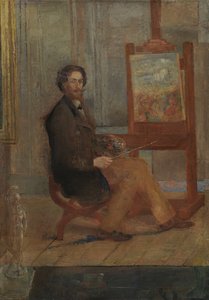
James Ensor
1860 - 1949 , Belgija
Ključne informacije
- Artistic Movement Or Style: Expressionism, Surrealism
- Artists Who Influenced This Artist:
- Pieter Bruegel the Elder
- Francisco Goya
- Whistler
- Date Of Birth: April 13, 1860
- Date Of Death: November 19, 1949
- Full Name: James Sidney Edouard Ensor
- Nationality: Belgian
- Notable Artworks:
- The Scandalized Masks
- Skeletons Fighting...
- Christ's Entry into Brussels
- Place Of Birth: Ostend, Belgium
Sorodni članki

Oil on Canvas: The Professional Guide to Durable, High-Quality Art Reproductions for Hospitality and Large-Scale Interior Projects
A professional guide for hotel designers and procurement managers on selecting durable, high-quality oil on canvas reproductions. Learn about material longevity, custom multi-panel layouts, and efficient bulk ordering solutions for large-scale hospitality projects.


