Jamstvo za povračilo denarja · 100 dni Brezplačna svetovna dostava
449.564umetninine 30.613umetniki 4.660muzeji 32jeziki
Catalogue entry

The Drunkards

1883. Oil On Canvas, 115.0 x 165.0 cm.

Fig. 1. James Ensor, The Drunkards, 1883. Shown as the reproduction you are specifying: , .

§ 1Catalogue data

Dimenzije
115.0 x 165.0 cm

§ 2Abstract

Opis zbirateljskega predmeta

Biografija umetnika

James Ensor je belgijski mojster ekspresionizma in surrealizma znan po svojih brezobličnih slikah, karnevalskih motivih ter groteskni estetiki. Pogosto je prikazoval smrt, družbeno kritiko in religiozno satiro.

§ 3Commentary

A Study in Somber Camaraderie: James Ensor’s “The Drunkards”

James Ensor's "The Drunkards," painted in 1883, isn’t merely a depiction of two men enjoying wine; it’s a meticulously crafted exploration of human vulnerability and the unsettling beauty found within moments of shared experience. Housed at The Minneapolis Institute of Arts, this oil on canvas offers a glimpse into the artist's uniquely dark and psychologically astute vision – a world saturated with masks, shadows, and an underlying current of melancholy. Ensor, born in Ostend, Belgium, to an English father and Belgian mother, possessed a perspective shaped by his upbringing amidst the vibrant chaos of a seaside resort town, a place brimming with theatricality and the allure of hidden identities. This early exposure undoubtedly fueled his lifelong preoccupation with disguise and the performance inherent in human interaction, themes powerfully realized within this evocative work.

The Language of Darkness: Style and Technique

“The Drunkards” is a masterclass in controlled darkness. Ensor’s deliberate choice of a predominantly black and white palette immediately establishes an atmosphere of introspection and quiet unease. The stark contrast amplifies the figures' isolation, drawing our attention to their faces – etched with weariness and perhaps a hint of resignation. The brushstrokes themselves are not smooth or polished; instead, they possess a restless energy, conveying a sense of urgency and emotional turbulence. This expressive technique is particularly evident in the rendering of the seated man’s face, where the paint seems to writhe with unspoken thoughts. The texture of the canvas itself contributes to this effect, inviting us to linger and examine the subtle shifts in tone and form.

  • Color Palette: Predominantly black and white, creating a somber and introspective mood.
  • Brushwork: Expressive and restless, conveying emotional turbulence.
  • Texture: Rich and layered, inviting close examination of the details.

Symbolism Within the Scene: Bonds and Escapism

Beyond its immediate depiction, “The Drunkards” is rich with symbolic weight. The bottle of wine, positioned centrally between the two men, can be interpreted as a potent symbol of connection – a shared ritual that momentarily bridges the gap between them. However, it also represents an escape, a temporary reprieve from the burdens of existence. The drunken state of one figure speaks to this desire for release, suggesting a yearning for oblivion or perhaps simply a rejection of societal expectations. The other man’s posture, observing his companion with a mixture of concern and perhaps even amusement, hints at the complexities of friendship and the acceptance of flawed humanity. The surrounding chairs and table further reinforce the sense of intimacy, while simultaneously highlighting the precariousness of their shared moment.

Contextualizing Ensor: Influences and Artistic Legacy

James Ensor’s work stands as a pivotal bridge between traditional academic painting and the burgeoning avant-garde movements of the late 19th century. Influenced by artists like Pierre-Auguste Renoir and Edouard Manet, yet forging his own distinct path, Ensor embraced elements of Expressionism and Surrealism – foreshadowing their later developments. His exploration of psychological themes, coupled with his unconventional use of color and composition, positioned him as a visionary artist ahead of his time. “The Drunkards” exemplifies this spirit of innovation, offering a raw and unflinching portrayal of human experience that continues to resonate with viewers today. It’s a piece that invites contemplation, prompting us to consider the hidden depths beneath the surface of everyday life and the enduring power of shared moments, however fleeting or unsettling they may be.

Vprašanja in odgovori

Ali uporablja "The Drunkards" avtorja James Ensor močne kontraste ali nežne harmonije?

Barvna analiza dela "The Drunkards" avtorja James Ensor izpostavlja Bold kontrast in Strong Color Unity harmonijo.

Kje lahko najdem umetniška dela, podobna delu "The Drunkards" avtorja James Ensor?

Umetninice, podobne delu "The Drunkards" avtorja James Ensor, so zbrane na strani Podobna dela te umetnine.

Kje lahko kupim digitalno sliko dela "The Drunkards" avtorja James Ensor?

Digitalno sliko dela "The Drunkards" avtorja James Ensor lahko kupite na njegovi strani Visokoresolucijska digitalna slika: prenos digitalne slike visoke ločljivosti.
§ 4The artist

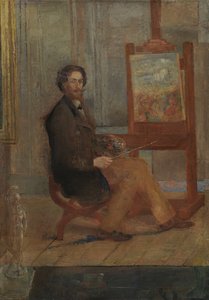
James Ensor

James Ensor

1860 - 1949, Belgija

Quick facts about James Ensor

  • Artistic Movement Or Style: Expressionism, Surrealism
  • Artists Who Influenced This Artist:
    • Pieter Bruegel the Elder
    • Francisco Goya
    • Whistler
  • Date Of Birth: April 13, 1860
  • Date Of Death: November 19, 1949
  • Full Name: James Sidney Edouard Ensor
  • Nationality: Belgian
  • Notable Artworks:
    • The Scandalized Masks
    • Skeletons Fighting...
    • Christ's Entry into Brussels
  • Place Of Birth: Ostend, Belgium

Biografija umetnika

James Ensor: A Pioneer of Expressionism and Surrealism

James Sidney Edouard Ensor (Ostend, 13 April 1860-19 November 1949) was a Belgian painter and printmaker who stands as one of the most influential figures in the development of Expressionism and Surrealism. Born into an English father and Belgian mother—a duality that profoundly shaped his artistic worldview—Ensor defied convention from the outset, rejecting academic formalism and embracing unsettling imagery rooted in psychological exploration.

Early Influences and Artistic Training

His formative years were marked by exposure to Ostend’s vibrant seaside atmosphere and his parents’ souvenir shop, which stocked exotic objects and carnival masks – stimuli that ignited his imagination and instilled a lifelong fascination with disguise. Ensor pursued formal artistic training at the Académie Royale des Beaux-Arts in Brussels, where he encountered fellow artists like Fernand Khnopff and Theo Van Rysselberghe—connections that fostered intellectual debate and propelled him beyond traditional boundaries.

A Shift Towards Grotesque Visionary Art

Around 1886-1889 Ensor embarked on a transformative stylistic journey, abandoning Impressionistic ideals for Expressionist techniques characterized by bold brushwork and vibrant color palettes. Influenced by Rembrandt’s masterful use of chiaroscuro, Francisco Goya’s unflinching depictions of human suffering, and Japanese woodcuts—a fascination with visual symbolism—Ensor developed a distinctive iconography focused on grotesque figures and unsettling narratives.

Key Masterpieces and Recurring Themes

His most celebrated works – including *Christ's Entry into Brussels* (1888-1889), *The Scandalized Masks* (1883) and *Skeletons Fighting over a Hanged Man* (1891) – exemplify Ensor’s commitment to confronting uncomfortable truths about human psychology and societal hypocrisy. Recurring themes throughout his oeuvre include death, decay, social critique, religious satire, and the boundless potential of imagination—elements that continue to resonate with audiences today.

Legacy and Influence

James Ensor's uncompromising artistic vision solidified his position as a pivotal innovator in modern art, paving the way for Expressionist artists like Edvard Munch and Surrealists like René Magritte. His rejection of academic conventions and embrace of psychological depth profoundly impacted subsequent generations of painters—establishing him as an enduring symbol of artistic rebellion and intellectual courage.

§ 5Comparanda

§ 6Questions

Ključni podatki

  • Subject or theme: Drunkenness, camaraderie
  • Artist: James Ensor
  • Year: 1883
  • Notable elements: Wine bottle, two men
  • Medium: Oil on canvas

Umetniški kviz

Pri vsakem vprašanju je na voljo le eden pravilen odgovor.

Vprašanje 1:
What is the predominant color palette used in James Ensor’s ‘The Drunkards’?
Vprašanje 2:
Where is ‘The Drunkards’ currently housed?
Vprašanje 3:
What artistic movement is James Ensor most associated with?
Vprašanje 4:
What symbolic element is prominently featured at the center of the table in ‘The Drunkards’?
Vprašanje 5:
James Ensor's upbringing significantly influenced his art. What did his parents’ shop offer him?

§ 7Cite this entry

AllPaintingsStore.com, “James Ensor, The Drunkards (1883)”, https://allpaintingsstore.com/sl/art/james-ensor-the-drunkards-8XX9PQ-en/ (accessed 5 oktober 2026).

§ 8The reproduction

Ročno izdelana oljna reprodukcija

Ročno slikano olje na platnu v vaši izbiri velikosti in okvirja, izdelano po naročilu naših umetnikov. ( Preklop na tiskanine Preklop na digitalno sliko)

It is specified on the order sheet in the margin; the present state of that sheet reads as follows.

The Drunkards

Tehnik reprodukcije

Velikost reprodukcije

-

Izbor vrhunskih umetnikov

Več podrobnosti, dovršenosti in dodatnega časa za izdelavo

-

Okvir za reprodukcijo

-

-

Za umetniška dela ali reprodukcije, ki so po katerikoli strani širše od 105 cm (približno 41 palč), bo okvir poslan v razstavljeni obliki kot komplet. Ta metoda zagotavlja varno dostavo in preprečuje poškodbe med transportom.

Potrebna je profesionalna montaža – to ni izdelek za DIY izdelavo.
Komplet mora sestaviti in platno napeti izkušen profesionalni okvirjest, pri čemer bo uporabil lepil za les (ni vključeno), klešče za napetje platna in spone, da bi ohranil pravokotnost letev med sušenjem lepila. Nepravilna montaža ali neenakomerna napetost platna lahko trajno poškoduje umetniško del in ni pokrita z našo garancijo.

  • Vključene so vse letve iz masivnega lesa, natančno izrezane po meri.

  • Montaža poteka s priloženimi vijaki, vendar je za kotiče potrebna lepil za les, ki ga ni v kompletu in ga mora zagotoviti vaš okvirnik.

  • Za uporabo so potrebna profesionalna orodja, ki niso vključena: klešče za napinjanje platna (napetnik) in sponke za ohranjanje pravokotnosti letev med sušenjem lepila.

Pomembno:
Za stike v kotih potrebujete lepil za les, nosilce je treba z spenjačami držati, dokler se lepil popolnoma ne suši, za zategovanje platna na sestavljenem okvirju pa potrebujete spenjače za platno. Noben od teh pripomočkov ni vključen v komplet. Pred naročilom te velikosti, prosimo, poskrbite za izkušenega profesionalnega okvirja.

Značka z imenom

-

-

Zaščitni lak

Sijajni lak (poudarja barve ter zagotavlja zaščito pred svetlobo in vlago)

-

Prilagodi svoje umetniško delo

Primeri možnih prilagoditev: zamenjava obraza s fotografijo kupca; dodajanje hišnega ljubljenčka (npr. zamenjava mačke s psom); vključitev skritega sporočila v ozadje; sprememba krajšave ali elementov ozadja.

-

Hitra dostava

Mednarodna dostava () v 3/4 tednih namesto običajnih 5 tednov. (2 november). Brez kompromisov pri kakovosti.

-

Hitra dostava

Globalna dostava () v 5 tednih. (9 november).

Vključeno v ceno

Skupna cena

€ 229

Included with every order

  • Brezplačna ekspresna dostava po vsem svetu
  • Visokokakovostno laneno platno
  • Popolno zavarovanje pošiljke
  • Garancija povračila carine in uvoznih davkov
  • Garancija popolnega barvnega ujemanja
  • 100-dnevna politika vračil (le v primeru okvar)
  • Garancija 100% povračila denarja
  • Popust pri večjem naročilu
Raziščite umetniška dela, razvrščena po temah, slogih in značilnostih.
Order sheet